
Hosea 7:8-10 is about Israel’s leaders who have rebelled against God by indulging in sinful behavior and have become corrupt, leading the nation astray and causing their eventual downfall.
8 Ephraim mixes himself with the peoples; Ephraim is a cake not turned.
9 Strangers devour his strength, and he knows it not; gray hairs are sprinkled upon him, and he knows it not.
10 The pride of Israel testifies to his face; yet they do not return to the Lord their God, nor seek him, for all this.
Setting the Scene for Hosea 7:8-10
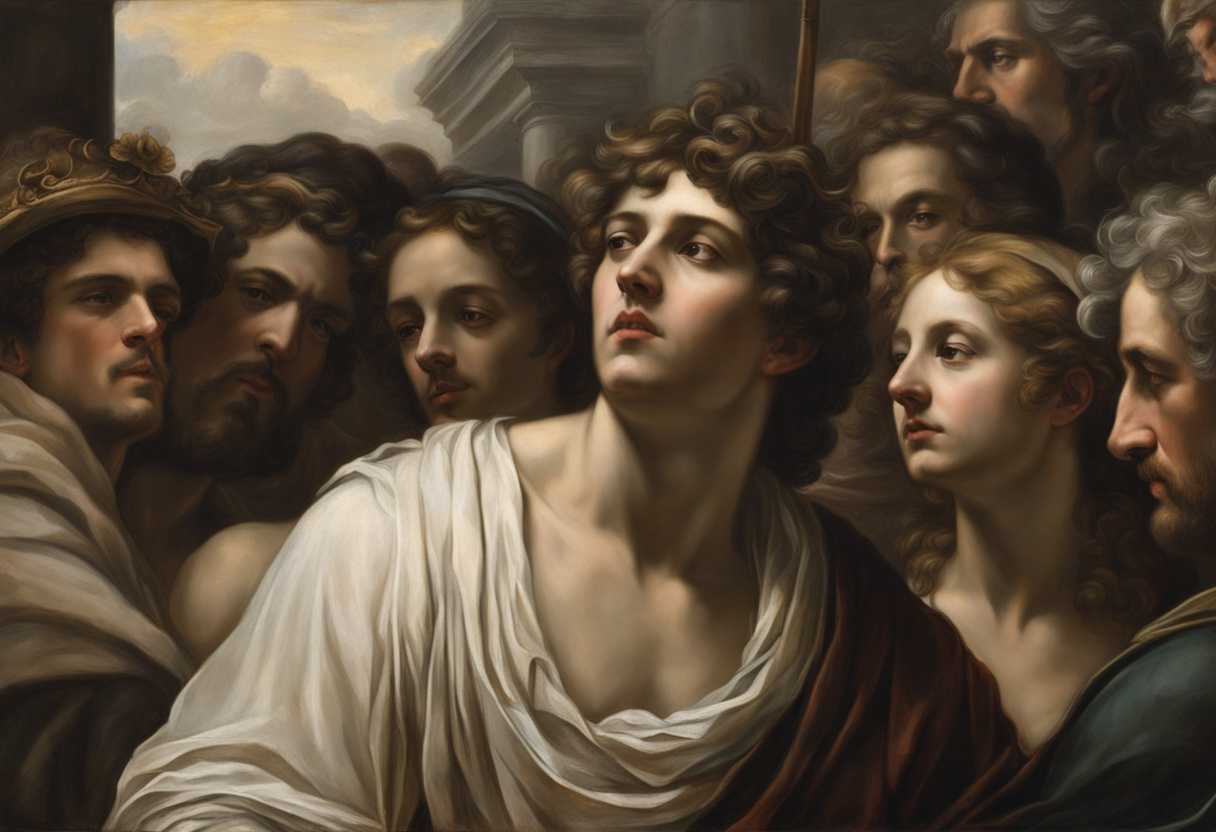
In Hosea 7:8-10, the prophet Hosea paints a vivid picture of a scene filled with political intrigue and betrayal. The setting is the kingdom of Israel during a time of great turmoil and moral decay. The leaders of the nation, including the king and his officials, are depicted as being like a half-baked cake, not fully cooked and therefore not fit for consumption. This metaphor symbolizes their lack of integrity and righteousness, highlighting their corrupt and unreliable nature.
The scene unfolds in the royal court, where King Jeroboam II and his advisors are gathered to discuss matters of state. Despite their outward appearance of power and authority, Hosea reveals the inner workings of their hearts, which are filled with deceit and treachery. The atmosphere is tense as political alliances are formed and broken, and secret plots are hatched behind closed doors. The king’s counselors, who should be guiding him with wisdom and honesty, are instead leading him astray with their selfish ambitions and sinful ways.
Surrounding the court are the people of Israel, who are suffering under the oppressive rule of their corrupt leaders. The once-prosperous nation is now plagued by injustice, idolatry, and moral decay. Hosea’s words serve as a warning to both the rulers and the ruled, urging them to turn back to God and seek His forgiveness before it is too late.
What is Hosea 7:8-10 about?
The metaphor of a half-baked cake in this verse symbolizes the ineffective leadership of Israel. The leaders of Israel are portrayed as weak and easily swayed by outside influences, just as a partially baked cake lacks substance and structure. This comparison highlights the idea that the leaders of Israel are not fully committed to their roles and responsibilities. Instead, they are being manipulated and controlled by foreign powers, leading to instability and vulnerability in the nation.
Think about it this way: when a cake is half-baked, it cannot fulfill its purpose of providing nourishment and satisfaction. Similarly, when leaders are not fully dedicated to their duties, they fail to properly guide and protect their people. The verse serves as a powerful reminder of the importance of strong and principled leadership by using vivid imagery. It prompts us to reflect on the qualities we expect in our leaders and the consequences of their actions on the well-being of society. Let’s ponder on how we can support and hold our leaders accountable to ensure they are fully committed to serving the best interests of their nation.
Understanding what Hosea 7:8-10 really means
Hosea, a prophet in the Northern Kingdom of Israel, delivered messages of warning and rebuke to a people who had strayed from their covenant with God. In Hosea 7:8-10, the imagery used vividly portrays the spiritual condition of Israel at that time. The metaphor of “Ephraim mixes himself with the peoples” signifies the nation’s assimilation of foreign practices, diluting their distinct identity as God’s chosen people. This blending with surrounding nations led to a spiritual decay, much like a cake left unturned, burnt on one side and raw on the other, symbolizing Israel’s inconsistency in their devotion.
The verse continues to depict how external influences were eroding Israel’s strength without their awareness. “Foreigners devour his strength, but he does not know it,” highlights the insidious nature of their decline. Similarly, the mention of “gray hairs sprinkled upon him, and he knows it not” signifies Israel’s aging and loss of vitality, yet they remain oblivious to their impending downfall. These poignant images serve as a warning against spiritual complacency and the dangers of compromising one’s faith.
Drawing parallels to contemporary times, the themes of compromise, inconsistency, and spiritual unawareness remain relevant. In a world where values often clash with faith, many struggle to maintain a steadfast commitment to their beliefs. The metaphor of a “cake not turned” resonates with individuals who feel incomplete or inconsistent in their spiritual journey, urging them to seek a more balanced and wholehearted relationship with God.
Consider a scenario of a young professional caught up in the demands of work, family, and faith. As they prioritize their career over spiritual practices and family time, they unknowingly drift away from their core values. Gradually, they experience burnout and a sense of disconnection, mirroring Israel’s situation in Hosea’s time. This anecdote illustrates the subtle yet profound impact of compromising one’s faith and the importance of self-reflection.
In conclusion, Hosea’s message serves as a timeless call to evaluate our lives for areas of compromise and inconsistency in our faith. The vivid metaphors in Hosea 7:8-10 challenge us to be vigilant against influences that weaken our spiritual strength and prompt us to pursue a more wholehearted devotion to God. Just as Israel faced consequences for their unfaithfulness, we are encouraged to align our lives more closely with God’s will, guarding against spiritual decay and striving for a deeper, unwavering commitment to our faith.
How can we avoid misleading others with our actions?
To avoid misleading others with our actions, we should strive to live with integrity and honesty. Our behaviors and choices should align with the values and principles we claim to uphold. It is important to be mindful of our actions and the impact they may have on those around us. We can build trust and credibility with others by being authentic and true to ourselves.
We should also be aware of the consequences of our actions and avoid hypocrisy. If we preach one thing but practice another, we risk damaging our reputation and credibility. It is essential to be consistent in our words and deeds to avoid misleading others. We can establish a sense of trustworthiness and reliability among those we interact with by being transparent and genuine in our actions. Being mindful of how others may perceive our actions is important in preventing misleading behavior. We can avoid causing confusion or misguidance among those around us by living with integrity and ensuring our actions align with our beliefs. Maintaining authenticity and honesty in all aspects of our lives will help us build strong and meaningful relationships based on trust and mutual respect.
Application
Reflect on Hosea 7:8-10 and check if your commitment to God is like a half-baked cake. Fully turn to the Lord and trust in His wisdom over your own. Don’t be fooled by temporary distractions; focus on the eternal truth in God’s Word. Will you make the choice to seek the Lord wholeheartedly today?

Reverend Michael Johnson is an experienced Church Minister with a profound expertise in spirituality and guidance. With a serene presence and a compassionate heart, he has faithfully served his congregation for over 20 years, leading them on a spiritual journey towards inner peace and enlightenment. Reverend Johnson’s extensive knowledge of religious philosophies and profound understanding of human nature have made him a trusted confidant and mentor to many, as he seamlessly weaves his profound wisdom into life teachings. Reverend Johnson’s calming demeanor and empathetic nature continue to uplift and heal souls, nurturing a sense of unity and tranquility within his community.