
Hosea 9:3 is about the consequences of Israel forsaking God and reaping destruction and exile as a result of their unfaithfulness.
3 They shall not remain in the land of the Lord,
but Ephraim shall return to Egypt,
and they shall eat unclean food in Assyria.
Setting the Scene for Hosea 9:3
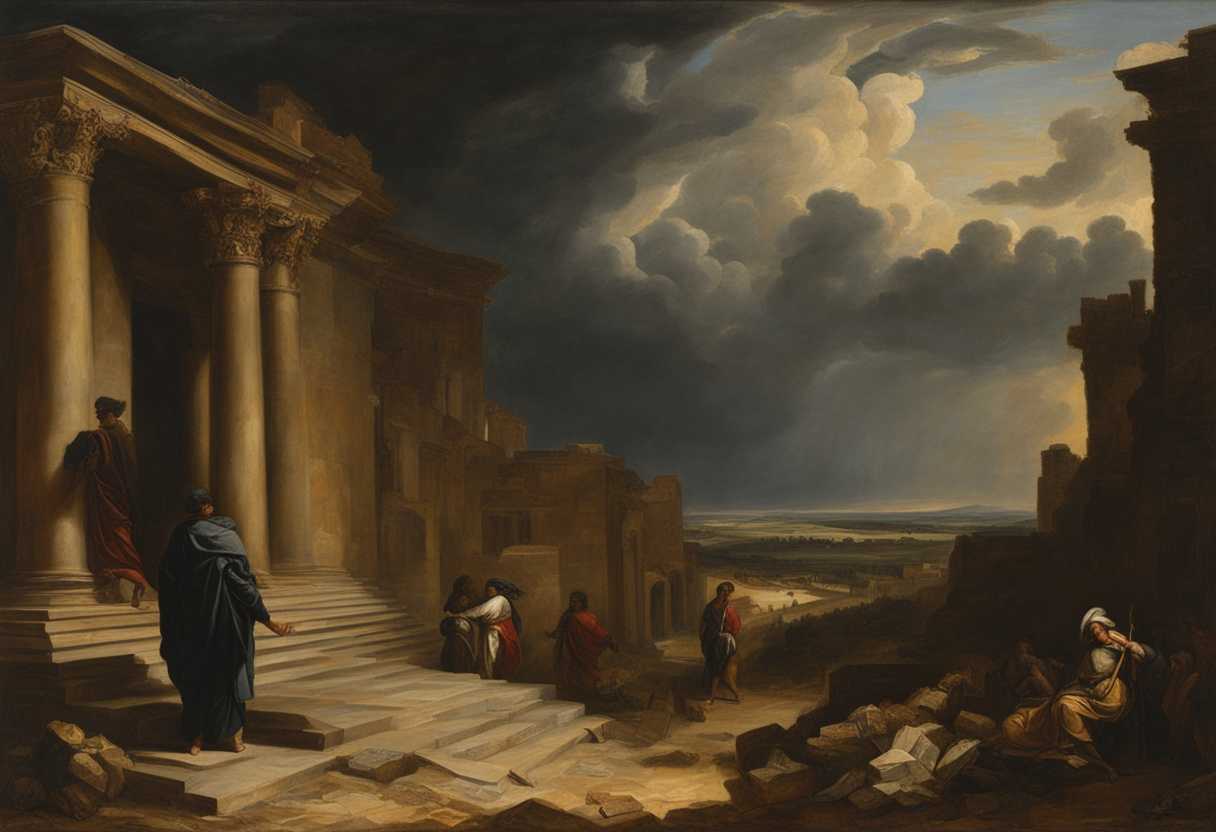
In Hosea chapter 9, the prophet Hosea paints a vivid picture of a scene of mourning and despair among the people of Israel. The setting is a solemn gathering in the town square of a once-thriving city, now desolate and in ruins due to the nation’s disobedience and idolatry. The atmosphere is heavy with grief and lamentation as the people come to terms with the consequences of their actions.
Among the crowd are the priests and leaders of Israel, their faces etched with sorrow and regret. They had once been entrusted with the spiritual well-being of the nation but had led them astray with their false teachings and idol worship. Now, they stand among the people, bearing the weight of their guilt and shame.
The scene is set against a backdrop of crumbling buildings and overgrown streets, a stark contrast to the once-prosperous city that now lies in ruins. As Hosea delivers his message of judgment and warning, the people listen in somber silence, knowing that they must repent and turn back to God if they are to have any hope of restoration and redemption.
What is Hosea 9:3 about?
This verse from the book of Hosea portrays a grave consequence of turning away from the Lord and disobeying His commands. The reference to Ephraim, one of the tribes of Israel, represents the people who have strayed from God’s ways. The prophecy of returning to Egypt symbolizes a regression to a state of spiritual slavery and bondage, as Egypt was a place of oppression and idolatry in Israel’s history. This verse serves as a warning of the dire outcomes that come from forsaking God and choosing to follow worldly desires and false gods instead. The stark consequences of disobedience and the importance of remaining faithful to the Lord confront us when we delve into the essence of this verse. It prompts us to reflect on our own actions and ask ourselves if we are truly walking in God’s ways or heading towards spiritual destruction. The imagery of returning to Egypt urges us to consider the self-inflicted chains we may be forging by straying from God’s path. It serves as a reminder of the mercy and grace God extends to us but also the accountability we have in upholding our end of the covenant with Him. Let this verse kindle a sense of urgency in our hearts to realign ourselves with God’s will and avoid the pitfalls of choosing worldly pleasures over His divine guidance.
Understanding what Hosea 9:3 really means
Hosea 9:3 paints a vivid picture of the consequences of disobedience and unfaithfulness to God. The prophet Hosea, living in a time of moral decay in Israel, delivers a powerful message warning of impending judgment. The phrase “They shall not remain in the land of the Lord” signifies the exile awaiting the Israelites due to their disobedience. It serves as a stark reminder that the land they inhabit is a gift from God, contingent upon their faithfulness and obedience.
Furthermore, the mention of Ephraim returning to Egypt symbolizes a regression to bondage and oppression, a stark reversal of the liberation experienced during the Exodus. This imagery highlights the severe consequences of straying from God’s path. The prophecy that they shall eat unclean food in Assyria symbolizes a loss of religious purity and identity, emphasizing the spiritual and physical degradation that awaits them in exile.
Drawing parallels to other biblical passages such as Deuteronomy 28:64-65 and Leviticus 26:33 reinforces the consistent message throughout Scripture regarding the repercussions of disobedience. The historical account in 2 Kings 17:6 serves as a sobering reminder of the actual exile of the Northern Kingdom to Assyria, underscoring the fulfillment of God’s warnings.
The relevance of this verse extends beyond its historical context, resonating with people today as a cautionary tale. It prompts us to reflect on our own lives and the potential consequences of spiritual and moral decline. Just as the Israelites faced exile for their unfaithfulness, we are reminded of the importance of living in alignment with God’s will to avoid a sense of spiritual exile in our own lives.
Consider the analogy of a family neglecting a cherished ancestral home, leading to its decay and their eventual displacement. This modern-day parable mirrors the Israelites’ situation, illustrating the tangible consequences of neglecting our spiritual and moral responsibilities. It serves as a poignant reminder of the need to prioritize our relationship with God and uphold our spiritual commitments.
In light of this verse, take time to introspect and identify areas in your life where you may be drifting away from God or neglecting your spiritual responsibilities. Reflect on the blessings you have received and recognize that they are intricately tied to your faithfulness and obedience to God. Let this verse serve as a catalyst for returning to God, seeking His guidance, and living a life that honors Him in all aspects.
By delving into the profound meanings and implications of Hosea 9:3, we gain a deeper appreciation of its timeless relevance and the valuable lessons it imparts. Let us heed its warnings, learn from the mistakes of the past, and strive to walk in faithfulness and obedience before our Creator.
How can we break free from hypocrisy and spiritual decay?
We can break free from hypocrisy and spiritual decay by truly seeking a genuine relationship with God. This involves cultivating a sincere devotion to Him and living out our faith with authenticity and integrity. It requires us to align our thoughts, words, and actions with the teachings of God, rather than merely going through the motions or putting on a facade of righteousness.
To overcome spiritual decay, we must regularly examine our hearts and motivations, allowing God to illuminate any areas of hypocrisy or compromise in our lives. We can purify our intentions and strive for a deeper, more authentic connection with our Creator by humbling ourselves before Him and seeking His guidance. It is through this process of self-reflection and repentance that we can break free from the chains of hypocrisy and experience true spiritual renewal.
Application
Take a moment to view your life like a garden – are you producing the kind of ripe and bountiful fruits that spread positivity and kindness to those around you? Just as a good harvest takes time and effort, cultivating the fruits of love, patience, and gentleness in our daily interactions requires intentional actions. Let’s sow seeds of compassion and empathy, watering them with acts of goodness and faithfulness. By embodying these qualities, we bring light to a world in search of love and grace. Will you join in the task of being a beacon of God’s love and compassion today?

Reverend Michael Johnson is an experienced Church Minister with a profound expertise in spirituality and guidance. With a serene presence and a compassionate heart, he has faithfully served his congregation for over 20 years, leading them on a spiritual journey towards inner peace and enlightenment. Reverend Johnson’s extensive knowledge of religious philosophies and profound understanding of human nature have made him a trusted confidant and mentor to many, as he seamlessly weaves his profound wisdom into life teachings. Reverend Johnson’s calming demeanor and empathetic nature continue to uplift and heal souls, nurturing a sense of unity and tranquility within his community.