
Isaiah 10:3 is about the warning against harming the less fortunate and oppressing the powerless, emphasizing the accountability and consequences for those who exploit the weak.
3 What will you do on the day of punishment, in the ruin that will come from afar? To whom will you flee for help, and where will you leave your wealth?
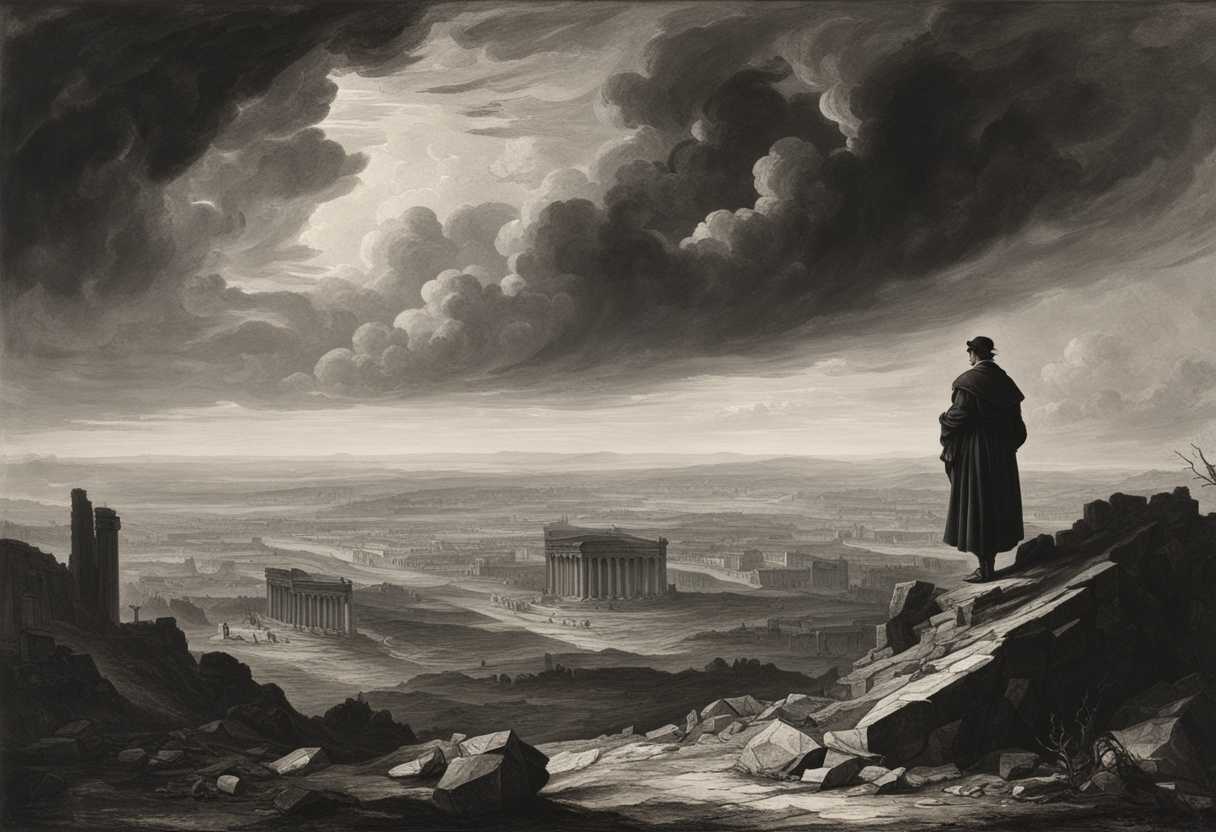
Setting the Scene for Isaiah 10:3
In Isaiah chapter 10, the prophet Isaiah is addressing the leaders and rulers of Judah and Jerusalem. The scene is set in the royal court, where King Ahaz is surrounded by his advisors and officials. The atmosphere is tense as Isaiah delivers a message from God, warning the leaders about their unjust practices and oppressive behavior towards the people.
The room is adorned with rich tapestries and ornate furniture, reflecting the wealth and power of the ruling class. King Ahaz sits on his throne, flanked by his counselors who are eager to hear Isaiah’s words. The prophet stands before them, his expression grave and his voice unwavering as he condemns the corruption and greed that have taken hold of the nation.
As Isaiah speaks, the room falls silent, the weight of his words hanging heavy in the air. The leaders exchange uneasy glances, knowing that they have strayed from the path of righteousness. The scene is a powerful reminder of the consequences of injustice and the call to repentance that echoes throughout the pages of the Bible.
What is Isaiah 10:3 about?
Isaiah 10:3 delivers a powerful message condemning those who exploit the vulnerable and deprive the poor of justice. The verse serves as a reminder that in our actions and interactions with others, especially the marginalized and disadvantaged, we must seek righteousness and fairness. It challenges us to reflect on how we treat those who are less fortunate and to consider the consequences of our actions on the lives of others.
When we think about this verse, we are called to ponder our own role in society and how we contribute to the well-being of those around us. Are we using our power and privilege for the betterment of all, or are we instead perpetuating systems of oppression and injustice? The verse pushes us to examine our values and how we can work towards building a more just and equitable world for everyone. Isaiah 10:3 ultimately reminds us of the importance of compassion, empathy, and standing up for the rights of the vulnerable. It urges us to be conscious of our actions and to strive for fairness and justice in all that we do. Let us remember the powerful message of this verse as we navigate our daily lives and work towards creating a more inclusive and equitable society for all.
Understanding what Isaiah 10:3 really means
In Isaiah 10:3, we encounter a poignant rhetorical question that cuts to the core of human existence and accountability. The prophet Isaiah, in a larger passage warning Israel of the repercussions of their injustices and faithlessness, challenges the people to ponder their fate when faced with God’s judgment. “What will you do on the day of reckoning?” This question forces us to confront the inevitability of divine judgment and the ultimate accountability we all face.
The phrase “When disaster comes from afar” in Isaiah 10:3 paints a vivid picture of the unexpected and far-reaching consequences of our actions. It serves as a stark reminder that the repercussions of our choices may come from unexpected places, emphasizing the profound impact of our sins. “To whom will you run for help?” This question underscores the futility of seeking refuge in earthly powers or idols when divine judgment looms large. It prompts us to reflect on where we place our trust and where we seek solace in times of trouble.
Similarly, the question “Where will you leave your riches?” in Isaiah 10:3 highlights the transient and ultimately meaningless nature of material wealth in the face of divine judgment. This challenges us to reassess our priorities and recognize the fleeting nature of earthly possessions. The verse serves as a timeless admonition to prioritize integrity, justice, and faithfulness to God above all else.
Drawing parallels with other biblical passages such as Amos 5:18-20, Matthew 6:19-21, and Revelation 6:15-17 reinforces the theme of inevitable divine judgment and the inadequacy of earthly riches in the face of God’s wrath. These passages collectively emphasize the importance of storing treasures in heaven, living a life of righteousness, and acknowledging the inescapable nature of divine accountability.
In today’s society, where materialism and self-reliance often take precedence, Isaiah 10:3 resonates deeply. It challenges us to reflect on our values, priorities, and where we place our trust. The verse urges us to seek a deeper relationship with God, prioritize justice and integrity, and recognize that true wealth lies in spiritual treasures rather than material possessions.
Consider the scenario of a wealthy individual who prioritizes financial success over ethical practices and relationships. When faced with a crisis, their riches offer no solace, leaving them isolated and vulnerable. This narrative mirrors the cautionary tale in Isaiah 10:3, illustrating that material wealth cannot shield us from the consequences of our actions when true judgment arrives.
Isaiah 10:3 stands as a poignant reminder to examine our lives, align our priorities with God’s will, and live with integrity and faithfulness. It prompts us to consider the transient nature of earthly riches and the eternal significance of our actions. Let us heed this call to introspection, seeking a deeper connection with God and striving to live justly, knowing that divine judgment is inevitable, and only a life rooted in faith and righteousness will endure.
Do we oppress the vulnerable for our own gain?
The verse from Isaiah 10:3 reminds us that oppressing the vulnerable for our own gain is a sin in the eyes of God. It points out the injustice and harm caused by taking advantage of those who are already marginalized or helpless. This verse serves as a warning against using our power and influence in a cruel and unjust manner to benefit ourselves at the expense of others.
When we oppress the vulnerable for our own gain, we are going against the principles of justice, compassion, and righteousness that are emphasized throughout the Bible. It highlights the importance of using our resources and abilities to uplift and support those in need, rather than exploiting them for personal advantage. The verse ultimately teaches us to treat others with kindness, fairness, and respect, especially those who are less fortunate or unable to protect themselves.
Application
Let’s be the change makers in our modern world. We have a duty to stand up for those who are voiceless and oppressed. Let’s be the ones who bring light to the darkness and support those in need. Are you prepared to take action and make a difference today?

Reverend Michael Johnson is an experienced Church Minister with a profound expertise in spirituality and guidance. With a serene presence and a compassionate heart, he has faithfully served his congregation for over 20 years, leading them on a spiritual journey towards inner peace and enlightenment. Reverend Johnson’s extensive knowledge of religious philosophies and profound understanding of human nature have made him a trusted confidant and mentor to many, as he seamlessly weaves his profound wisdom into life teachings. Reverend Johnson’s calming demeanor and empathetic nature continue to uplift and heal souls, nurturing a sense of unity and tranquility within his community.