
Isaiah 13:17-22 is about the impending judgment and destruction that will befall Babylon as a result of their wickedness and rebellion against God.
17 Behold, I am stirring up the Medes against them, who have no regard for silver and do not delight in gold.
18 Their bows will slaughter the young men;
they will have no mercy on infants,
nor will they look with compassion on children.
19 And Babylon, the glory of kingdoms, the splendor and pomp of the Chaldeans, will be like Sodom and Gomorrah when God overthrew them.
20 It will never be inhabited or lived in for all generations; no Arab will pitch his tent there; no shepherds will make their flocks lie down there.
21 But wild animals will lie down there, and their houses will be full of howling creatures; there ostriches will dwell, and there wild goats will dance.
22 Hyenas will cry in its towers, and jackals in the pleasant palaces; its time is close at hand and its days will not be prolonged.
Setting the Scene for Isaiah 13:17-22
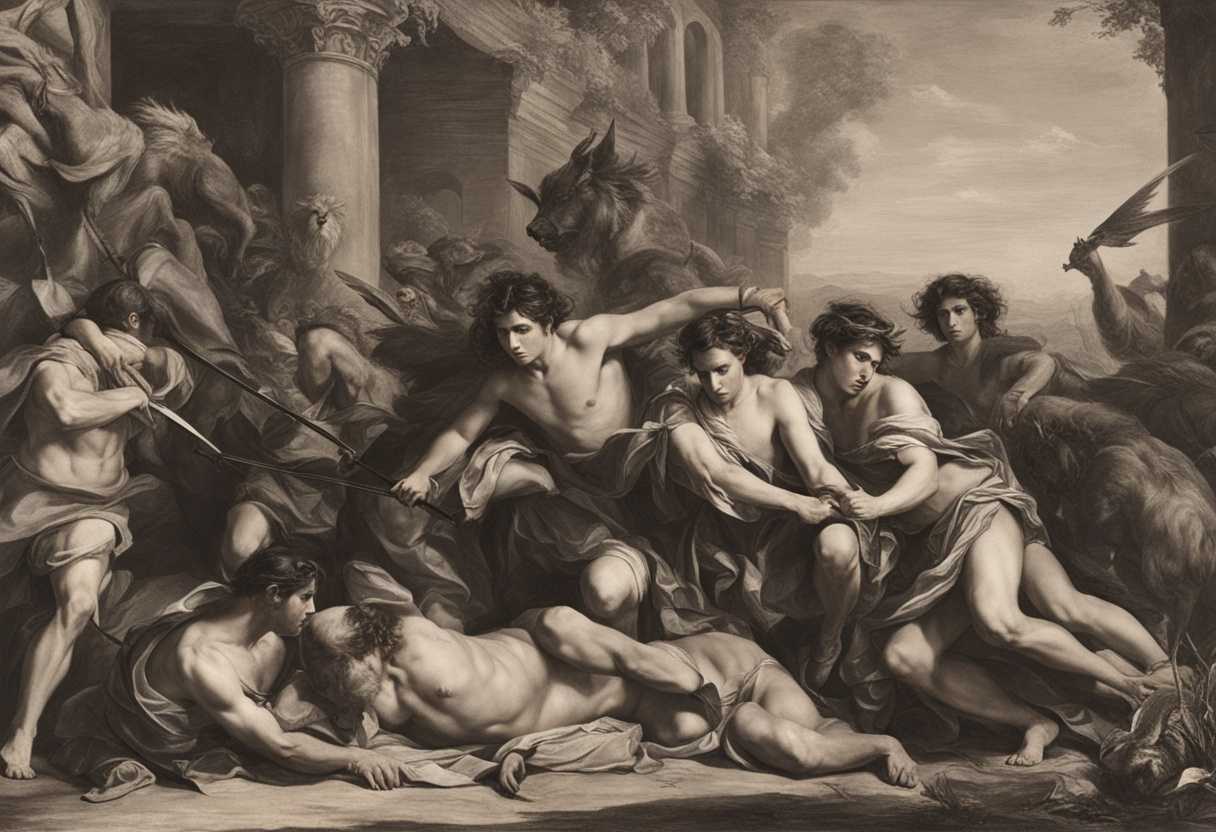
The scene described in Isaiah 13:17-22 is a vivid and dramatic portrayal of the destruction of Babylon. The prophet Isaiah foretells the fall of this powerful city, describing how it will be conquered and left desolate. The once bustling metropolis will become a haunt for wild animals, a place where only desert creatures dwell. The grandeur and glory of Babylon will be reduced to ruins, a stark contrast to its former splendor.
In this scene, we can imagine the prophet Isaiah standing before a group of captivated listeners, recounting the impending doom of Babylon. Among those gathered are likely Israelites who have been taken into exile by the Babylonians. They listen intently as Isaiah paints a picture of the city’s downfall, a message of hope for the oppressed Israelites who long for deliverance.
The surroundings are likely austere, reflecting the somber mood of the prophecy. The audience may be seated in a humble setting, perhaps a makeshift gathering place in exile. As Isaiah speaks, his words echo with a sense of urgency and divine authority, offering a glimpse of the future when Babylon will be brought low and justice will prevail.
What is Isaiah 13:17-22 about?
This verse from Isaiah paints a vivid picture of the ultimate fate of Babylon – a once-mighty city reduced to ruins and forever abandoned. The prophecy speaks of a complete and irreversible destruction, symbolizing the consequences of pride, corruption, and oppression. Reflect on how the power dynamics at play in ancient Babylon might parallel with issues of injustice, greed, and tyranny in our world today.
Imagine the eerie silence that would fill the streets of a bustling city now devoid of life and activity, a haunting reminder of the impermanence of earthly power and wealth. The prophecy serves as a cautionary tale, urging us to tread carefully in our pursuits of glory and dominance, lest we too face a similar downfall. Let this verse prompt you to contemplate the true nature of strength and success, and to ponder the legacy you are building for future generations.
Understanding what Isaiah 13:17-22 really means
Isaiah 13:17-22 unveils a prophecy against Babylon, a formidable empire known for its opulence and military might. This passage vividly portrays the impending downfall and desolation of Babylon, serving as a poignant reminder of God’s judgment against the city’s arrogance and wickedness. The phrase “I will stir up the Medes against them” signifies God’s use of the Medes, renowned for their military prowess, as instruments of His judgment. The imagery of “Their bows will strike down the young men” underscores the thorough and devastating nature of the impending judgment, sparing none, not even the strong and youthful.
Babylon, once hailed as the “jewel of kingdoms” and the epitome of pride, is foretold to be overthrown by God akin to Sodom and Gomorrah, emphasizing the stark contrast between its former glory and impending ruin. The declaration that Babylon “will never be inhabited or lived in through all generations” underscores the enduring desolation that will befall the city, serving as a perpetual symbol of divine retribution. The parallel with Revelation 18:2, proclaiming the fall of Babylon the Great, reinforces the theme of Babylon’s downfall and the fate of those who oppose God.
This prophecy against Babylon resonates with contemporary audiences, serving as a cautionary tale against pride, arrogance, and rebellion towards God. It prompts individuals to reflect on the transient nature of earthly power and wealth, urging them to prioritize a relationship with God for lasting value. Drawing parallels to modern scenarios, such as the downfall of a prideful businessperson due to unethical practices, emphasizes the timeless relevance of the consequences of hubris and moral compromise.
In conclusion, Isaiah 13:17-22 stands as a solemn admonition against pride and defiance, urging readers to cultivate humility and place their trust in God rather than in fleeting worldly achievements. By delving into the historical context and related biblical passages, individuals can glean profound insights into the enduring truths encapsulated in this prophecy. Let this prophecy serve as a beacon, guiding us towards humility, righteousness, and a steadfast reliance on God amidst the transient allure of earthly success.
What will happen to those who reject God’s redemption?
Those who reject God’s redemption will face the consequences of their actions as described in Isaiah 13:17-22. The verses depict a grim fate for those who refuse to turn to God for salvation. They will experience destruction, judgment, and a sense of desolation that comes from being separated from the ultimate source of redemption. Those who reject God’s offer of redemption will ultimately face the harsh reality of their choices and will be left to deal with the consequences on their own.
It is a reminder that God’s redemption is available to all, but it is up to individuals to accept it and seek forgiveness for their sins. Those who persist in rejecting God’s redemption will not only miss out on the opportunity for salvation but will also face the full weight of their disobedience. The verses serve as a warning of the dire outcomes for those who continue to turn away from God’s grace, emphasizing the importance of accepting His offer of redemption before it is too late.
Application
Lend an ear to the lessons from Isaiah 13:17-22, for they illuminate the impact of heeding divine counsel and forsaking wrongdoing. Let these words be a beacon guiding your choices and conduct, leading you towards righteousness and compliance. Will you seize this moment to sync your path with the divine order and pledge to embrace it fervently?

Reverend Michael Johnson is an experienced Church Minister with a profound expertise in spirituality and guidance. With a serene presence and a compassionate heart, he has faithfully served his congregation for over 20 years, leading them on a spiritual journey towards inner peace and enlightenment. Reverend Johnson’s extensive knowledge of religious philosophies and profound understanding of human nature have made him a trusted confidant and mentor to many, as he seamlessly weaves his profound wisdom into life teachings. Reverend Johnson’s calming demeanor and empathetic nature continue to uplift and heal souls, nurturing a sense of unity and tranquility within his community.