
Isaiah 13:21-22 is about the desolation and abandonment of a once thriving civilization, emphasizing that even the most majestic and powerful nations can be brought low by the judgment of God.
21 But wild animals will lie down there, and their houses will be full of howling creatures; there ostriches will dwell, and there wild goats will dance.
22 Hyenas will cry in its towers, and jackals in the pleasant palaces; its time is close at hand and its days will not be prolonged.
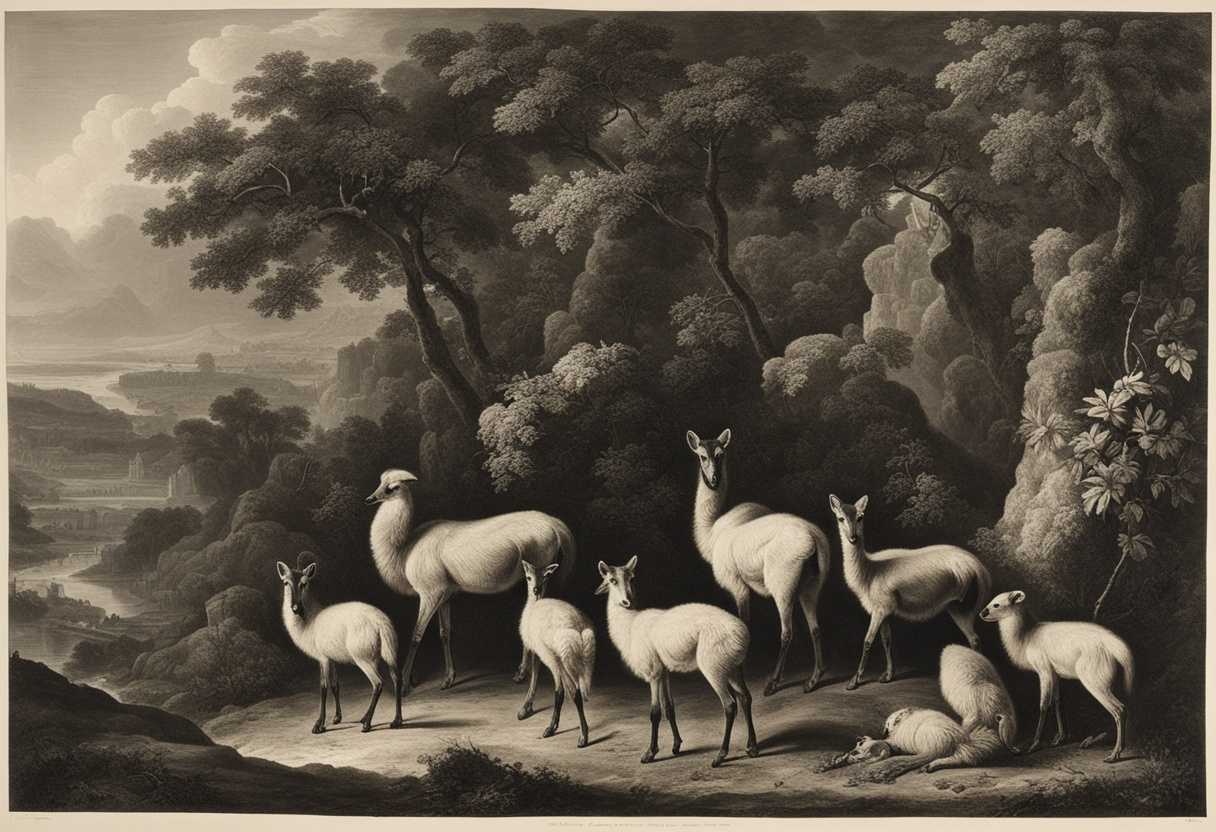
Setting the Scene for Isaiah 13:21-22
The scene described in Isaiah 13:21-22 paints a vivid picture of desolation and abandonment. Imagine a once-thriving city now deserted and overrun by wild animals. The howling of wolves echoes through the empty streets, while jackals roam freely in the abandoned buildings. Owls hoot from the windows, and wild goats dance in the crumbling ruins. This eerie and haunting image evokes a sense of loneliness and desolation.
In this scene, the inhabitants of the city have either fled or perished, leaving behind a ghost town consumed by nature. The once-bustling marketplace is now silent, with no merchants or buyers in sight. The streets are overgrown with weeds, and the once-grand buildings are now mere shells of their former glory. The atmosphere is heavy with a sense of loss and decay, a stark reminder of the consequences of turning away from God.
As the sun sets on this forsaken city, casting long shadows over the deserted landscape, one can’t help but feel a sense of foreboding and sadness. The imagery in Isaiah 13:21-22 serves as a powerful warning of the consequences of disobedience and the importance of staying faithful to God’s teachings.
What is Isaiah 13:21-22 about?
The prophet Isaiah in this verse is foretelling the complete destruction and desolation of Babylon. He predicts that the once thriving city will become uninhabitable, left in ruins and emptiness. The mention of it becoming a haunt for wild animals emphasizes the utter desolation and abandonment of the city, where only creatures of the wild will roam. This prophecy serves as a warning of the consequences of wickedness and arrogance, ultimately leading to downfall and ruin.
Just imagine the power of Isaiah’s words, painting a vivid picture of a once bustling city now reduced to a ghostly shell. The imagery of wild animals roaming the deserted streets evokes a sense of eerie desolation and serves as a stark reminder of the consequences of straying from righteousness. Through this prophecy, Isaiah emphasizes the importance of humility and righteousness, warning against the dangers of pride and wickedness. It is a powerful message that transcends time, reminding us to remain steadfast in our faith and morality to avoid the desolation that befell Babylon.
Understanding what Isaiah 13:21-22 really means
In Isaiah 13:21-22, we are presented with a vivid prophecy against Babylon, a once-great city destined for desolation and ruin. The imagery painted in these verses is haunting, depicting a scene where wild animals roam freely in the abandoned remnants of what was once a bustling metropolis. This portrayal of utter desolation serves as a stark warning of the consequences of pride and arrogance, themes that resonate throughout the biblical narrative.
The key phrases in these verses carry significant symbolic weight. “Desert creatures will lie there” signifies the complete abandonment and desolation of Babylon, emphasizing its fall from glory to ruin. The mention of owls filling the houses and wild goats leaping about paints a picture of a city devoid of human life, where only wild animals find refuge. The howling of hyenas in the strongholds and jackals in the luxurious palaces further accentuates the contrast between Babylon’s former splendor and its impending desolation.
Revelation 18:2 and Jeremiah 50:39 echo the themes of desolation and abandonment found in Isaiah’s prophecy, reinforcing the solemn message of the consequences of pride and disobedience. These passages serve as poignant reminders of the impermanence of human achievements and the ultimate sovereignty of God over all nations and powers.
The relevance of this prophecy to people today is profound. It challenges us to reflect on our own tendencies towards pride and self-reliance, urging us to cultivate humility and dependence on God. The imagery of spiritual desolation can serve as a cautionary tale, reminding us of the emptiness that comes from turning away from our faith and pursuing worldly pursuits.
Consider the analogy of a once-thriving city now in ruins, a poignant reflection of a life led astray by pride and worldly desires. Just as Babylon fell from grace, individuals who prioritize material success over spiritual well-being risk facing their own desolation. The story of a successful businessperson consumed by ambition, neglecting their values and relationships, serves as a modern parallel to the downfall of Babylon described in Isaiah.
In conclusion, Isaiah 13:21-22 stands as a solemn warning against the perils of pride and the importance of humility and faithfulness to God. The stark imagery of desolation and the presence of wild animals in Babylon’s ruins serve as a powerful reminder of the fleeting nature of human achievements. May we heed this prophecy as a call to humility, placing our trust not in worldly power and pride but in the enduring strength of our faith.
How can we find hope in darkness?
Finding hope can be challenging in times of darkness and despair. Yet, in the verses you mentioned, there is a glimmer of hope even amongst the darkness. The imagery of desolate places being filled with joy and bustling with life speaks to the possibility of transformation and renewal. It reminds us that even in the darkest of times, there is always a chance for a new beginning, a light that can penetrate the shadows. We can find hope in the idea that no situation is permanent by focusing on the message of these verses. Our circumstances can change for the better just as desolate places can be bustling with life. It encourages us to hold onto the belief that even in the midst of turmoil, there is the potential for joy and restoration. This message serves as a beacon of light in the darkness, guiding us towards a brighter tomorrow.
Application
Let us pause and ponder the weight of those verses. Are we walking on the right path? Are we treating others with kindness and understanding? Will you make the choice to live in harmony with your values and beliefs?

Reverend Michael Johnson is an experienced Church Minister with a profound expertise in spirituality and guidance. With a serene presence and a compassionate heart, he has faithfully served his congregation for over 20 years, leading them on a spiritual journey towards inner peace and enlightenment. Reverend Johnson’s extensive knowledge of religious philosophies and profound understanding of human nature have made him a trusted confidant and mentor to many, as he seamlessly weaves his profound wisdom into life teachings. Reverend Johnson’s calming demeanor and empathetic nature continue to uplift and heal souls, nurturing a sense of unity and tranquility within his community.