
Isaiah 22:22-23 is about God appointing Eliakim to a position of authority, symbolizing God’s power to open and close doors, establishing the importance of following His divine will.
22 And I will place on his shoulder the key of the house of David. He shall open, and none shall shut; and he shall shut, and none shall open.
23 And I will fasten him like a peg in a secure place, and he will become a throne of honor to his father’s house.
Setting the Scene for Isaiah 22:22-23
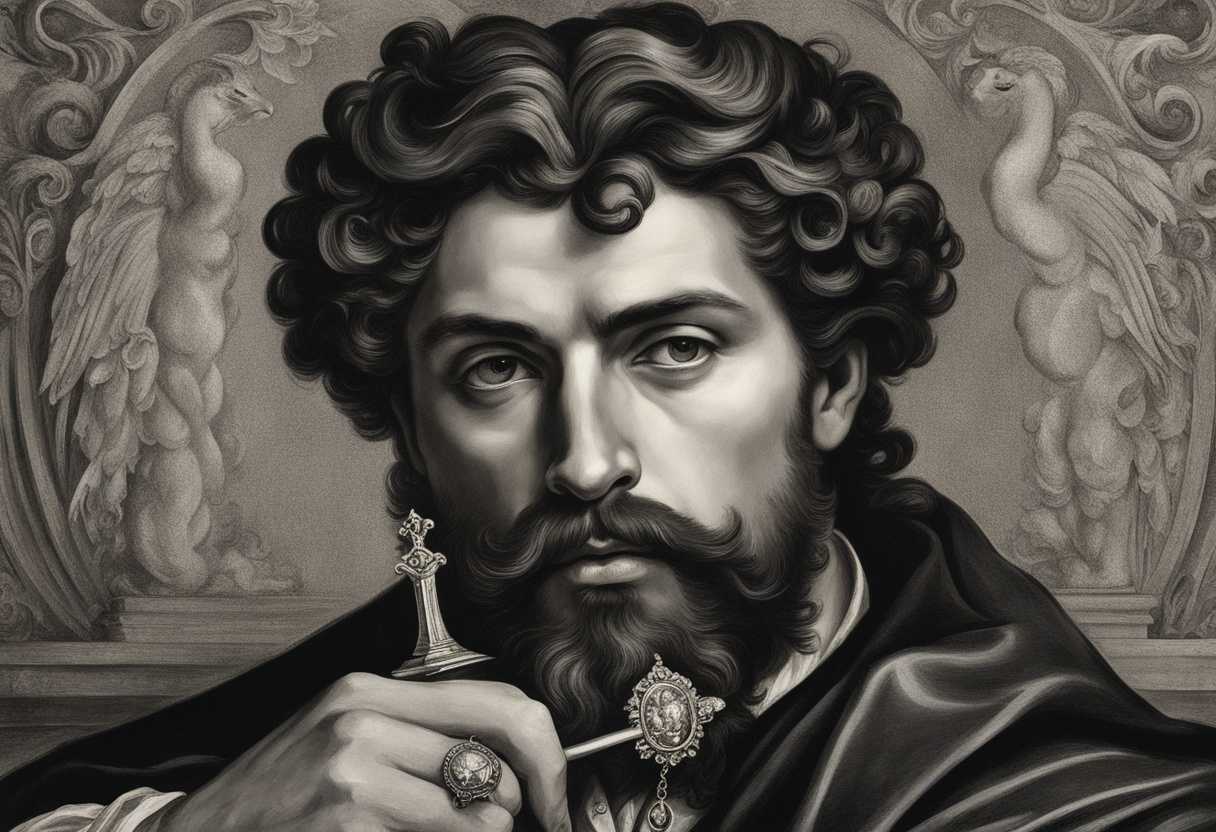
In Isaiah chapter 22, we find ourselves in the ancient city of Jerusalem, specifically at the palace of King Hezekiah. The scene is bustling with activity as the king’s officials and advisors gather for an important meeting. Among them are Eliakim, the son of Hilkiah, who is the palace administrator, and Shebna, the secretary. They have been summoned by the king to discuss matters of great importance concerning the security and future of the kingdom.
The setting is grand and regal, with ornate decorations adorning the walls and luxurious furnishings filling the room. The atmosphere is tense as King Hezekiah addresses his council, seeking their counsel and wisdom in a time of uncertainty and looming threats from neighboring nations. As the discussion unfolds, the king’s eyes fall upon Eliakim, a trusted and loyal servant, whom he singles out for a special task. In a symbolic gesture of authority and trust, King Hezekiah hands Eliakim the key to the kingdom, declaring him as the new steward with the power to open and shut, to govern and protect the kingdom in the king’s absence.
In this pivotal moment, the weight of responsibility and honor is palpable as Eliakim accepts the key, knowing that he has been chosen to play a crucial role in the kingdom’s future. The scene is charged with anticipation and significance, as the fate of Jerusalem hangs in the balance and the decisions made in this council chamber will have far-reaching consequences for the people of Judah.
What is Isaiah 22:22-23 about?
This verse speaks to the concept of divine authority and God’s sovereignty over the affairs of the world. God is portrayed as bestowing authority upon a chosen servant to make decisions that align with His will. This verse highlights the importance of following God’s guidance and direction in all aspects of life, just as a servant is expected to carry out the instructions of their master.
Think about the doors in your own life that have been opened or closed by God’s hand. Reflect on the opportunities that have come your way, and the ones that have slipped through your fingers. You have felt a sense of divine guidance leading you in a certain direction. This verse reminds us that God is the ultimate orchestrator of our lives, and that we can find peace and purpose in surrendering to His authority. God holds the key to all doors as you navigate the decisions and challenges that come your way. Trust in His wisdom and guidance as you seek to align your will with His, knowing that He has a plan and purpose for you that is greater than you can imagine. Let this verse serve as a reminder of the power and authority that God has entrusted to His chosen servants, and the importance of seeking His will in all that we do.
Understanding what Isaiah 22:22-23 really means
In the Book of Isaiah, specifically in Isaiah 22:22-23, we encounter a passage rich in symbolism and significance. This text was written in a time of political upheaval and uncertainty, where the prophet Isaiah conveyed messages from God to the people of Judah. The Book of Isaiah holds a prominent place in the Bible as one of the major prophetic books, addressing themes of judgment, redemption, and the coming Messiah. It serves as a powerful reminder of God’s sovereignty and faithfulness throughout history.
“I will place on his shoulder the key to the house of David,” speaks of the authority and responsibility bestowed upon a chosen individual. The symbolism of the “key” signifies control, access, and trust. This imagery is echoed in Revelation 3:7, where Jesus is described as holding the key of David, emphasizing His ultimate authority over the kingdom. The continuity of this symbolism across different books of the Bible underscores the unchanging nature of God’s plan and His appointed leaders.
“What he opens no one can shut, and what he shuts no one can open,” highlights the absolute authority and power granted to the chosen individual. This phrase conveys the idea of divine endorsement and the ability to make decisions that cannot be reversed. Drawing a parallel to Matthew 16:19, where Jesus gives Peter the keys to the kingdom of heaven, we see a similar theme of binding and loosing, signifying spiritual authority and discernment.
“I will drive him like a peg into a firm place,” evokes imagery of stability and security. Just as a peg firmly anchors an object, the chosen leader is established in a position of strength and reliability. This concept is further illustrated in Zechariah 10:4, where a peg symbolizes a leader or cornerstone, emphasizing their foundational role in the community.
“He will become a seat of honor for the house of his father,” speaks to the idea of honor and legacy within a family or community. This verse underscores the importance of upholding one’s heritage and reputation with dignity and respect. Reflecting on 1 Samuel 2:30, where God promises to honor those who honor Him, we see the reciprocal nature of honoring God and being honored in return.
In today’s world, the themes presented in Isaiah 22:22-23 remain relevant and applicable. The concepts of divine authority and responsibility are essential in leadership and personal integrity, guiding individuals to make decisions rooted in faith and righteousness. Stability and security are fundamental human needs, especially in times of uncertainty, where faith can provide a firm foundation. Living a life that leaves a positive legacy echoes the importance of making choices that impact future generations and communities for the better.
As we ponder on these timeless truths, may we seek to embody the qualities of authority, stability, honor, and legacy in our own lives. Let us draw inspiration from the examples of leaders who have walked in faith and left a lasting impact on those around them. In applying the lessons from Isaiah 22:22-23, may we find guidance and strength in God’s word to navigate our paths with wisdom and grace.
How can we find peace and reconciliation with God?
We can find peace and reconciliation with God by acknowledging His authority and sovereignty in our lives. The key of David represents authority and access to God’s blessings in the passage, while the opening and shutting of doors symbolize control over opportunities and circumstances. We humble ourselves before God and submit to His will by recognizing that He holds the ultimate authority and control in our lives.
Furthermore, we can find peace and reconciliation with God through repentance and seeking forgiveness for our sins. We too can come before Him with a contrite heart, confessing our wrongdoings and seeking His forgiveness, just as the people in the passage were called to repent and turn back to God. Through genuine repentance and a desire to align ourselves with God’s ways, we can experience the restoration, peace, and reconciliation that comes from being in right relationship with Him.
Application
Harness the keys bestowed upon you by the divine force above and unlock the doors to boundless possibilities. Take charge of the responsibilities bestowed upon you and pave the way for a brighter tomorrow. Let your actions resonate like a symphony, shaping a world brimming with harmony and joy. Are you ready to wield your authority and shape a future worthy of your dreams and aspirations?

Reverend Michael Johnson is an experienced Church Minister with a profound expertise in spirituality and guidance. With a serene presence and a compassionate heart, he has faithfully served his congregation for over 20 years, leading them on a spiritual journey towards inner peace and enlightenment. Reverend Johnson’s extensive knowledge of religious philosophies and profound understanding of human nature have made him a trusted confidant and mentor to many, as he seamlessly weaves his profound wisdom into life teachings. Reverend Johnson’s calming demeanor and empathetic nature continue to uplift and heal souls, nurturing a sense of unity and tranquility within his community.