
Isaiah 26:14 is about the acknowledgment of the righteous but also recognizing that they may be dead and unable to rise to life, implying the need for trust in God’s promise of resurrection and redemption.
14 They are dead, they will not live; they are shades, they will not arise; to that end you have visited them with destruction and wiped out all remembrance of them.
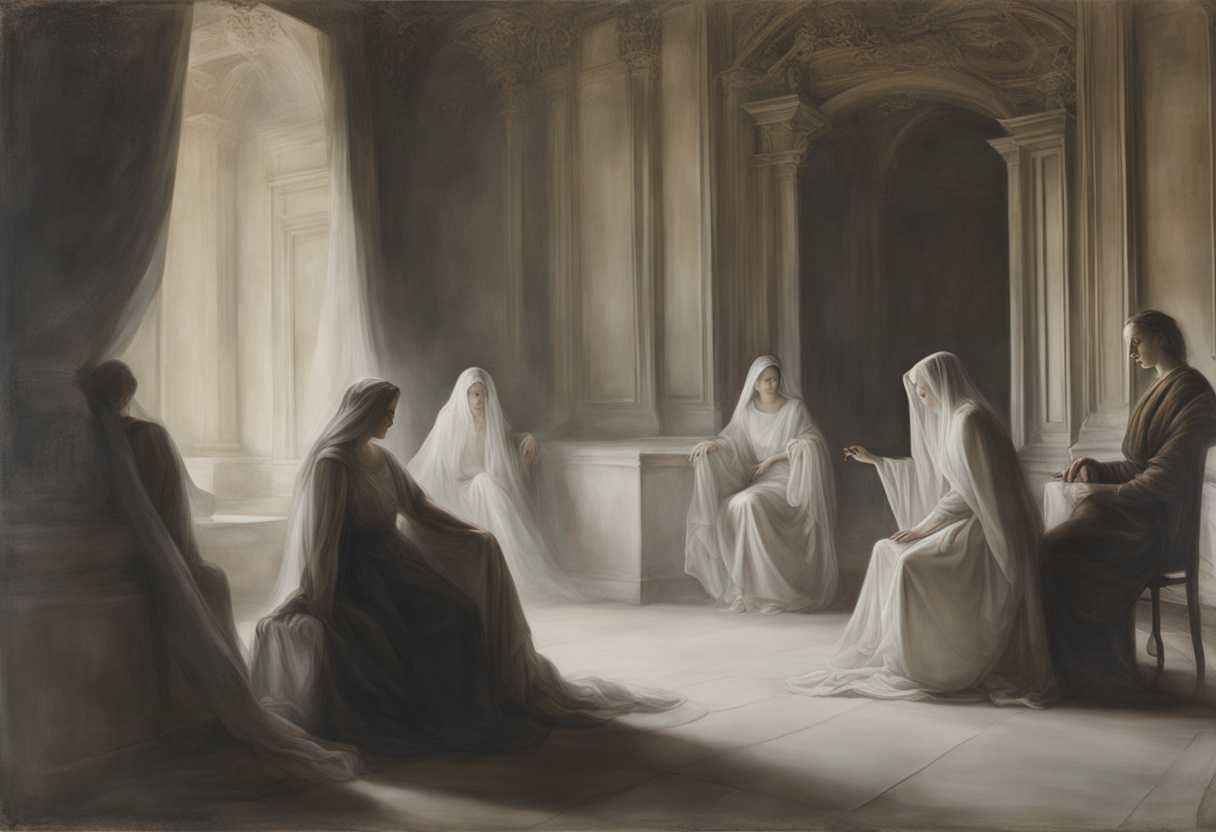
Setting the Scene for Isaiah 26:14
In Isaiah chapter 26, we find a scene where the prophet Isaiah is addressing the people of Judah during a time of great turmoil and uncertainty. The kingdom of Judah is facing threats from neighboring nations, and the people are feeling anxious and fearful. Isaiah, a trusted prophet and advisor to the king, has gathered the leaders and citizens of Judah in the courtyard of the temple in Jerusalem to deliver a message of hope and encouragement.
As the sun sets over the city, casting a warm glow on the ancient stones of the temple, Isaiah stands before the crowd, his voice ringing out with authority and conviction. The people have come from far and wide to hear his words, seeking reassurance in a time of trouble. The flickering torches and incense burning in the background create a sense of solemnity and reverence, adding to the gravity of the moment.
Surrounded by priests, nobles, and common folk, Isaiah speaks of the faithfulness of God and the importance of trusting in Him during times of trouble. He reminds the people of Judah of their history and the many times God has delivered them from their enemies. As Isaiah’s words echo through the courtyard, a sense of peace and hope begins to settle over the crowd, renewing their faith and resolve to stand firm in the face of adversity.
What is Isaiah 26:14 about?
The verse in Isaiah 26:14 refers to a state of finality for those who have died. It explains that once someone has passed away, they will not be revived or come back to life. Here, the phrase “the dead will not live” emphasizes the certainty of death and the idea that once a person has crossed over, they will not return to the living world. This verse is a reflection on the permanent nature of death and the absence of resurrection for those who have departed.
The words “the departed spirits will not rise” further emphasize that there is no possibility of a resurrection for those who have passed away. This verse can prompt us to reflect on the fragility of life and the inevitability of death. It can serve as a reminder to appreciate and cherish the time we have with our loved ones, as well as to make the most of our own lives while we are here. Reflecting on this verse can lead us to ponder the concept of mortality and the importance of living a meaningful and purposeful life. How does this verse make you contemplate the brevity of life and the significance of making the most of the time we have?
Understanding what Isaiah 26:14 really means
Isaiah 26:14, nestled within a song of praise and trust in God in the prophetic book of Isaiah, paints a vivid picture of the finality of God’s judgment upon the enemies of His people. The verse declares, “They are dead, they shall not live; they are deceased, they shall not rise,” emphasizing the irrevocable nature of the defeat of those who oppose God and His chosen ones. This resolute language underscores the assurance that the adversaries of God will not have a lasting legacy or resurgence, firmly establishing the triumph of righteousness over evil.
In delving deeper into the meaning of this verse, we encounter the profound truth of God’s active intervention in the affairs of humanity. The phrase, “Therefore hast thou visited and destroyed them, and made all their memory to perish,” illuminates God’s role in executing justice, delivering His people, and erasing the memory of their oppressors. It showcases God’s sovereignty and righteous judgment, highlighting His commitment to upholding justice and ensuring the ultimate victory of His people.
Drawing parallels with other biblical passages such as Psalm 9:5 and Revelation 20:14, we find a consistent theme of God’s judgment upon the wicked and the obliteration of evil. These verses echo the sentiment expressed in Isaiah 26:14, emphasizing the eternal consequences of opposing God and His purposes. The alignment of these passages underscores the universal truth of God’s unwavering justice and the ultimate triumph of righteousness over sin and darkness.
In a contemporary context, Isaiah 26:14 holds profound relevance for believers navigating a world marred by injustice and oppression. It serves as a beacon of hope, assuring them of God’s ultimate justice and the transience of evil. In times of adversity and uncertainty, this verse encourages individuals to anchor their trust in God’s sovereignty, knowing that He will ultimately bring about righteousness and peace in His perfect timing.
Consider a community enduring the tyranny of a corrupt regime, where suffering and despair seem unending. Despite the bleak circumstances, the people cling to their faith, praying for deliverance. Eventually, the oppressive regime crumbles, and the community experiences liberation. The oppressors are held accountable, and their influence is completely eradicated. This narrative mirrors the promise encapsulated in Isaiah 26:14, affirming that those who stand against God’s people will ultimately face defeat and oblivion.
In conclusion, Isaiah 26:14 stands as a poignant reminder of God’s justice and the definitive triumph of good over evil. It calls believers to unwavering faith, urging them to trust in God’s unfailing plan and His eventual vindication of His people. As we navigate the complexities of life, may we find solace in the assurance that God’s justice will prevail, and His righteousness will ultimately reign supreme.
How do we reflect on our spiritual journey?
Reflecting on our spiritual journey involves looking back on the path we have traveled, the obstacles we have faced, and the growth we have experienced. It is a time for introspection and evaluation of our relationship with the divine, our understanding of ourselves, and our actions towards others. Our reflection may reveal moments of spiritual stagnation or times when we have felt disconnected from our faith or purpose, just as the verse speaks of the dead not rising and the departed spirits not standing.
Through this reflection, we can gain a deeper understanding of our spiritual state and identify areas where we can improve or realign our values and beliefs. It is an opportunity to acknowledge past mistakes or shortcomings, seek forgiveness and reconciliation, and make a conscious effort to pursue a more authentic and fulfilling spiritual life. We can acknowledge our journey thus far, set intentions for the future, deepen our spiritual practices, and strive towards a more profound connection with the divine.
Application
Harness the power of faith to navigate the complexities of modern life. Embrace the teachings of Isaiah 26:14 as a compass, guiding you towards the righteous path. Let your actions mirror your beliefs, forging a connection with something greater than yourself. Stand strong in your convictions, unwavering in the face of challenges. Will you answer the call to align your life with the will of the divine?

Reverend Michael Johnson is an experienced Church Minister with a profound expertise in spirituality and guidance. With a serene presence and a compassionate heart, he has faithfully served his congregation for over 20 years, leading them on a spiritual journey towards inner peace and enlightenment. Reverend Johnson’s extensive knowledge of religious philosophies and profound understanding of human nature have made him a trusted confidant and mentor to many, as he seamlessly weaves his profound wisdom into life teachings. Reverend Johnson’s calming demeanor and empathetic nature continue to uplift and heal souls, nurturing a sense of unity and tranquility within his community.