
Isaiah 3:14 is about the condemnation of corrupt leaders who exploit and oppress the most vulnerable members of society, leading to their inevitable downfall and judgment by God.
14 The Lord will enter into judgment with the elders and princes of his people: “It is you who have devoured the vineyard, the spoil of the poor is in your houses.
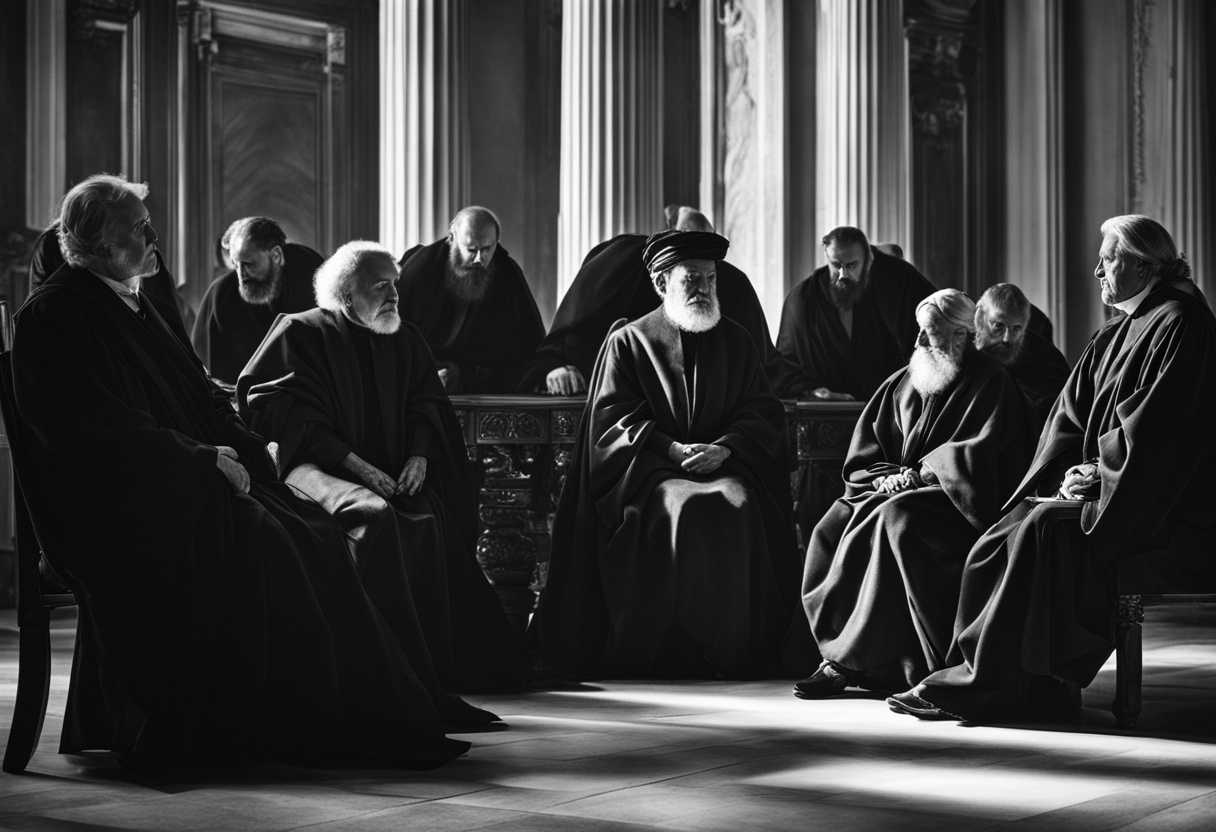
Setting the Scene for Isaiah 3:14
In Isaiah chapter 3, we find a scene set in the ancient kingdom of Judah during a time of great turmoil and moral decay. The prophet Isaiah, a trusted advisor to the king, stands in the royal court surrounded by the rulers and officials of the land. The atmosphere is tense as Isaiah delivers a stern message from the Lord, warning of impending judgment due to the nation’s disobedience and injustice.
King Ahaz, a weak and unfaithful ruler, sits on his throne looking troubled as Isaiah’s words echo through the grand hall. The courtiers, including nobles and military commanders, shift uncomfortably as they realize the gravity of the situation. The once prosperous and peaceful kingdom is now plagued by corruption, oppression of the poor, and idolatry, leading to the inevitable consequences foretold by the prophet.
As Isaiah continues to speak boldly against the sins of the people and the leaders’ failure to uphold justice, a sense of fear and conviction settles over the assembly. The opulence of the court contrasts sharply with the moral decay of the society outside its walls, creating a stark juxtaposition that serves as a powerful backdrop to Isaiah’s prophetic message of both warning and hope.
What is Isaiah 3:14 about?
The elders and princes of His people are depicted as engaging in judgment with the Lord in this verse. The phrase “enters into judgment” signifies a process of assessing actions, behaviors, and decisions to determine righteousness or wrongdoing. The elders and princes, as leaders and influencers of the community, are being held accountable for their actions by God. This verse reflects the idea of divine justice and the responsibility of those in positions of power to act in accordance with God’s will.
Have you ever considered the concept of accountability in leadership roles, especially in a religious context? What responsibilities do leaders bear in guiding and making decisions for their communities? How does this verse challenge us to reflect on our own actions and the implications they may have on others around us? The image of the Lord entering into judgment with the elders and princes reminds us of the importance of integrity, humility, and righteousness in positions of authority. It prompts us to ponder whether we are fulfilling our roles with integrity and in alignment with God’s principles.
Understanding what Isaiah 3:14 really means
Isaiah 3:14 is a poignant verse within a larger passage where the prophet Isaiah delivers a message of judgment against the leaders and people of Judah. The context sets the stage for understanding the gravity of the situation, highlighting the consequences of the leaders’ actions and the divine justice that will be meted out. Specifically addressing the leaders and elders, the verse holds them accountable for their misdeeds and the resulting suffering of the people, emphasizing the weight of leadership responsibilities.
Drawing parallels with related passages such as Micah 3:1-3, Jeremiah 23:1-2, and James 3:1, we see a consistent theme of condemning unjust leadership and emphasizing the accountability of those in positions of authority. These passages collectively underscore the importance of leaders acting justly and the severe consequences of failing to do so, resonating across different biblical contexts.
The relevance of Isaiah 3:14 extends to contemporary society, where corruption and abuse of power are prevalent. This verse serves as a powerful reminder that leadership carries a significant responsibility. Whether in religious, political, or social spheres, leaders are called to uphold integrity, justice, and compassion in their actions, considering the impact on those they lead.
To illustrate the real-world implications of Isaiah 3:14, imagine a community leader misusing public funds meant for welfare, resulting in a lack of resources and widespread hardship. This scenario reflects the destructive consequences of leaders’ actions on the well-being of the community, echoing the themes of accountability and justice highlighted in the verse.
Delving into the meaningful phrases of Isaiah 3:14, we encounter powerful imagery that conveys the severity of the leaders’ transgressions. The mention of God entering into judgment against the elders and leaders emphasizes the divine accountability they face, transcending human judgment. The metaphor of the ruined vineyard symbolizes the harm inflicted on God’s people by the leaders’ actions, while the reference to plunder from the poor in their houses exposes the exploitation and injustice perpetuated by those in power.
In conclusion, Isaiah 3:14 stands as a timeless warning and a call to ethical leadership. It urges leaders to reflect on their responsibilities and the profound impact of their decisions on the lives of those under their care. Just as the verse held the leaders of Judah accountable in ancient times, it continues to challenge leaders today to uphold justice, compassion, and integrity in their leadership roles, recognizing their ultimate accountability to God for their actions.
How can we speak up for those oppressed?
One way we can speak up for those oppressed is by advocating for justice and righteousness. We can courageously stand against any form of injustice or exploitation that we see taking place around us. We can help bring about positive change and alleviate the suffering of the oppressed by speaking out and taking action on their behalf.
Additionally, we can use our voices to raise awareness about the issues faced by the oppressed and marginalized in society. We can help others understand the importance of standing up for those who are vulnerable and in need of support by sharing our stories and shedding light on our struggles. Through education and advocacy, we can work towards creating a more just and equitable world for all. We ultimately are called to be a voice for the voiceless and to champion the cause of the oppressed. We can make a meaningful impact in the lives of those who are marginalized and help bring about social change by being a source of support, empathy, and strength. Through our words and actions, we can strive to create a more compassionate and just society for all.
Application
Dear friend, like a sharp blade, Isaiah 3:14 cuts through our soul, urging us to be a beacon of justice and righteousness in our world. Let us be like resilient trees, firmly rooted in our faith, standing tall against the winds of corruption and oppression. It is our duty to shed light on the shadows where injustice thrives, to lift up the downtrodden, and to pave the path of righteousness. Will you heed the call to act as a warrior of justice and champion of righteousness in your community?

Reverend Michael Johnson is an experienced Church Minister with a profound expertise in spirituality and guidance. With a serene presence and a compassionate heart, he has faithfully served his congregation for over 20 years, leading them on a spiritual journey towards inner peace and enlightenment. Reverend Johnson’s extensive knowledge of religious philosophies and profound understanding of human nature have made him a trusted confidant and mentor to many, as he seamlessly weaves his profound wisdom into life teachings. Reverend Johnson’s calming demeanor and empathetic nature continue to uplift and heal souls, nurturing a sense of unity and tranquility within his community.