
Isaiah 41:29 is about the futility of relying on man-made idols or symbols of power, highlighting their inability to predict the future or bring about salvation compared to the true power and wisdom of God.
29 Behold, they are all a delusion;
their works are nothing;
their metal images are empty wind.
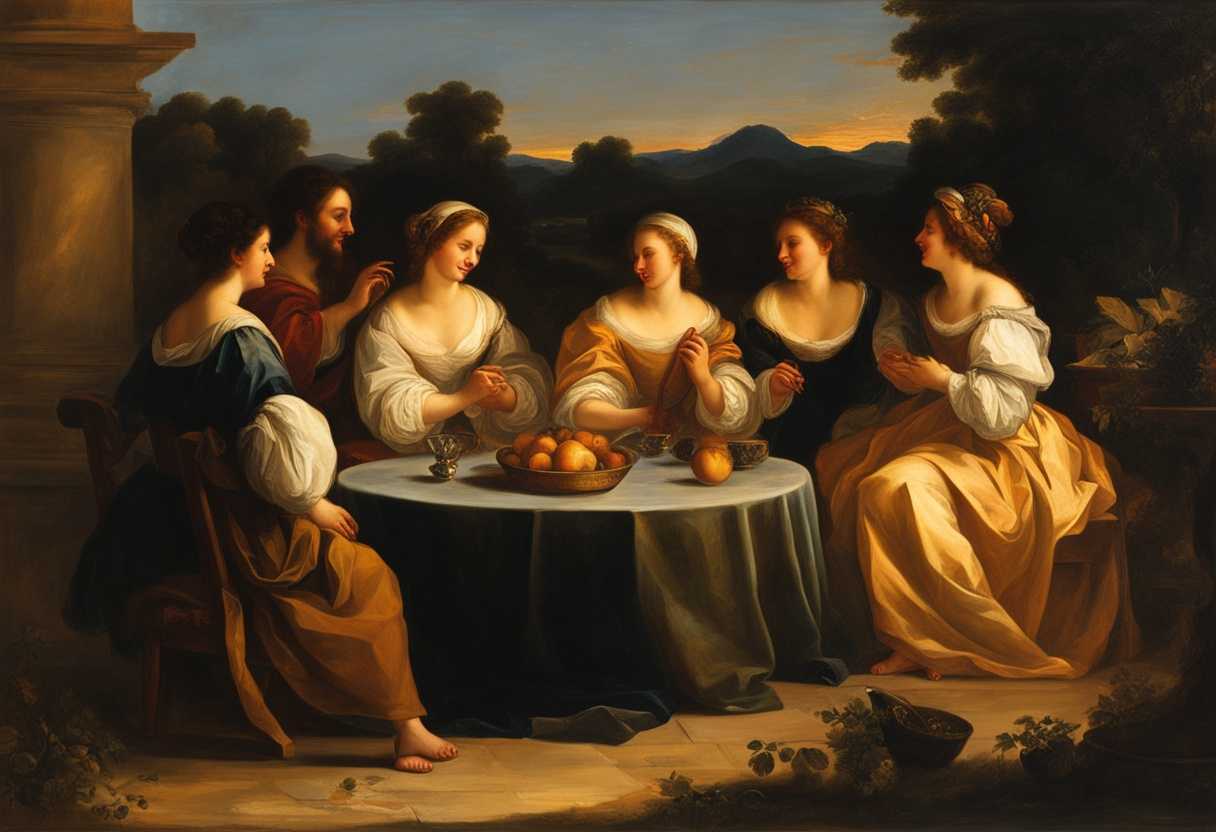
Setting the Scene for Isaiah 41:29
In Isaiah chapter 41, we find a scene set in the ancient city of Babylon during the time of the Israelite exile. The grand city is bustling with activity as people go about their daily lives under the rule of the powerful Babylonian empire. In the midst of this bustling city, a group of Babylonian priests and wise men have gathered in the courtyard of the grand temple dedicated to their pagan gods.
Among the group is the chief priest, Belteshazzar, known for his wisdom and knowledge of the mystical arts. He is joined by his fellow priests and advisors, all dressed in elaborate robes and adorned with symbols of their deities. The group has come together to consult the stars and interpret omens in an attempt to predict the future of their empire and gain favor from their gods.
As they gaze up at the night sky, searching for signs and portents, a sense of unease hangs in the air. Despite their best efforts, the priests and wise men find themselves unable to decipher the mysteries of the universe or find true meaning in their rituals. It is in this moment of uncertainty and doubt that the words of Isaiah 41:29 ring true, reminding them of the futility of their efforts to divine the future without the guidance of the one true God.
What is Isaiah 41:29 about?
This verse from Isaiah 41:29 speaks about the futility and emptiness of putting one’s trust in idols and false gods. People in ancient times crafted metal images and worshipped them, believing in their power to bring blessings and protection. However, the verse reminds us that these idols are nothing but a delusion, lacking any real power or substance. They are as empty as the wind, unable to provide true comfort or salvation. Placing our trust in things that are not truly worthy of it reminds us of the dangers as we reflect on this verse. It prompts us to examine our own lives and consider where we may be putting our faith in false gods or material possessions that ultimately have no lasting value. This verse challenges us to seek the true source of strength and hope, turning away from the empty promises of the world and placing our trust in the One who is truly worthy of our worship. Identify what idols or false beliefs you may have in your life. Are there things you rely on for comfort and security that ultimately leave you feeling empty? This verse urges us to reevaluate our priorities and to turn our hearts towards the one true God, who offers genuine peace, love, and security that can never be found in idols or material possessions.
Understanding what Isaiah 41:29 really means
Isaiah 41:29 serves as a poignant reminder of the futility of idols and false gods in comparison to the omnipotence of the one true God. In the broader context of this chapter, God’s sovereignty and role as the ultimate protector and provider for Israel are emphasized. The phrase “They are all a delusion” underscores the emptiness and deceitfulness of idols, highlighting their ultimate worthlessness. Similarly, “Their works are nothing” emphasizes the ineffectiveness of actions attributed to idols, revealing their lack of power. The imagery of “Their metal images are empty wind” vividly portrays idols as insubstantial and transient, akin to the fleeting nature of the wind.
Drawing parallels with related biblical passages such as Psalm 115:4-8, Jeremiah 10:5, and 1 Corinthians 8:4 further reinforces the message of the insignificance of idols. These passages describe idols as powerless entities, incapable of speech or action, akin to scarecrows in a field. In today’s context, idols may manifest as anything we prioritize over God, be it material possessions, status, or relationships. The verse prompts us to reflect on where we place our trust and to acknowledge the emptiness of anything that supplants God in our lives.
Consider the anecdote of a man who placed his faith in wealth for security and happiness, only to lose everything in a crisis. His realization that money was an unreliable source of security echoes the message of Isaiah 41:29, emphasizing God as the sole dependable source of peace and stability. Reflect on the idols in your life—are there things overshadowing your trust in God? Evaluate the “delusions” and “empty wind” that may distract you from God’s steadfastness, and realign your focus on His unwavering presence.
As you contemplate the implications of Isaiah 41:29, use it as a catalyst to reassess your priorities and reliance on God. Redirect your attention towards seeking God’s guidance and strength, recognizing His constancy amidst the transient and unreliable facets of life. By internalizing the essence of this verse and its contemporary relevance, you can cultivate a deeper connection with the truth and reliability of God’s power and existence.
How can we discern false gods from true God?
The prophet Isaiah conveys a powerful message about discerning false gods from the true God in Isaiah 41:29. The verse emphasizes the importance of considering the actions and works of gods to determine their validity. False gods are described as insignificant and unproductive, unable to bring about change or impact the world in any meaningful way. The true God actively works in the world and demonstrates His authority through His deeds, characterized by His sovereignty and power. One can distinguish between false gods and the true God by carefully examining the fruits of the gods in question. False gods may promise much but deliver little, while the true God consistently demonstrates His might and presence in tangible ways. This distinction serves as a guide for believers to avoid being led astray by idols or false deities, and to instead place their trust and devotion in the one true God who reveals Himself through His works and divine power.
Application
Dear friends, let’s ponder Isaiah 41:29, realizing the supremacy of our Almighty over all else. Let’s assess our hearts, ensuring no distractions stand above our devotion to God. Let’s recommit to wholeheartedly serve and worship Him. Will you stand with me, honoring our Creator above all else?

Reverend Michael Johnson is an experienced Church Minister with a profound expertise in spirituality and guidance. With a serene presence and a compassionate heart, he has faithfully served his congregation for over 20 years, leading them on a spiritual journey towards inner peace and enlightenment. Reverend Johnson’s extensive knowledge of religious philosophies and profound understanding of human nature have made him a trusted confidant and mentor to many, as he seamlessly weaves his profound wisdom into life teachings. Reverend Johnson’s calming demeanor and empathetic nature continue to uplift and heal souls, nurturing a sense of unity and tranquility within his community.