
Isaiah 43:10-11 is about God affirming his existence as the only true God, emphasizing that there is no savior besides Him, and calling His people to trust in Him alone for salvation and deliverance.
10 “You are my witnesses,” declares the Lord,
“and my servant whom I have chosen,
that you may know and believe me
and understand that I am he.
Before me no god was formed,
nor shall there be any after me.”
11 I, I am the Lord, and besides me there is no savior.
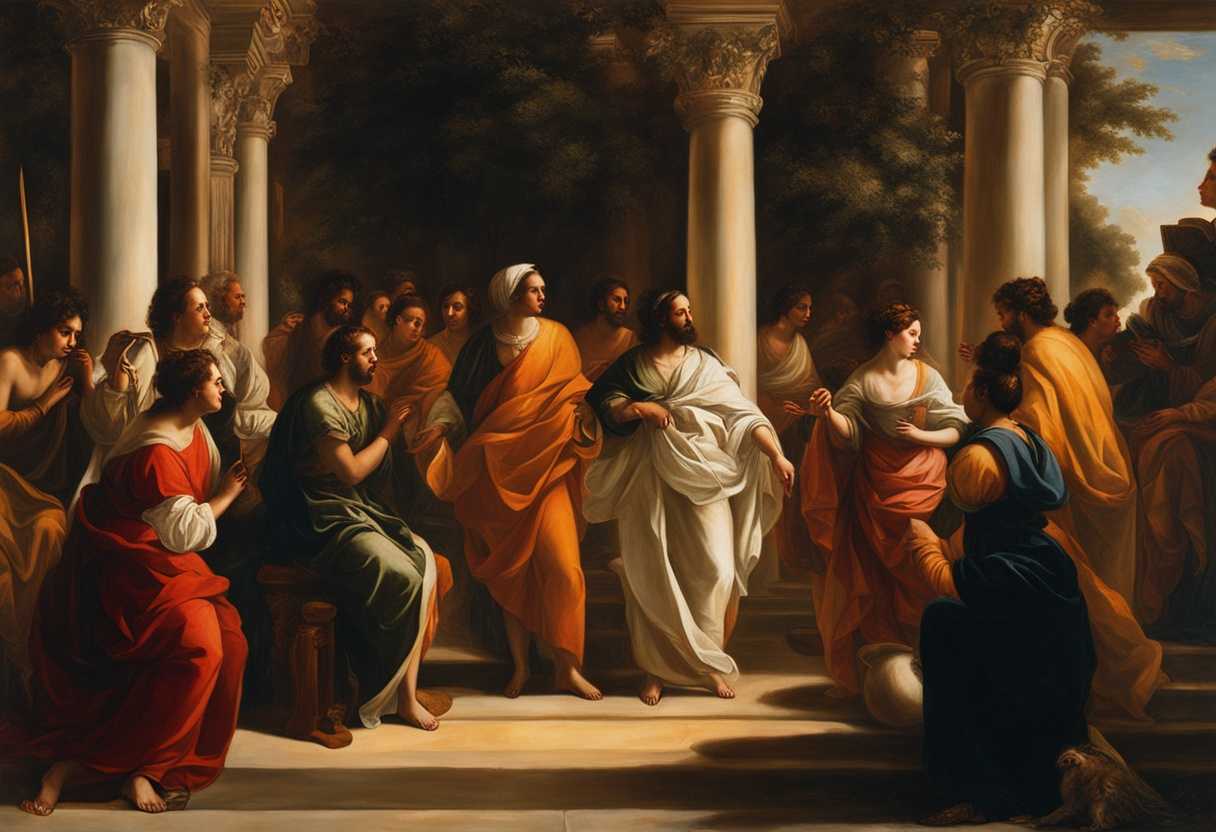
Setting the Scene for Isaiah 43:10-11
In Isaiah chapter 43, we find a powerful scene unfolding in the ancient city of Jerusalem. The setting is the temple, a grand and sacred place where the people of Israel gather for worship and reflection. The air is filled with the scent of burning incense, and the sound of prayers and hymns reverberates off the stone walls.
Among the crowd assembled in the temple are the prophets Isaiah and Jeremiah, two of the most revered figures in Israelite history. They have been called to speak to the people on behalf of the Lord, delivering messages of hope, warning, and redemption. The people listen intently, their faces reflecting a mix of awe and fear at the words being proclaimed.
As Isaiah and Jeremiah stand before the crowd, their voices ring out with conviction and authority. They declare the words of the Lord, reminding the people of Israel of their unique status as God’s chosen people. “You are my witnesses,” Isaiah proclaims, “and my servant whom I have chosen, so that you may know and believe me and understand that I am he. Before me no god was formed, nor will there be one after me. I, even I, am the Lord, and apart from me there is no savior.” The weight of their message hangs heavy in the air, challenging the people to recommit themselves to their faith and their covenant with God.
What is Isaiah 43:10-11 about?
God emphasizes His exclusivity as the one true God and Savior in this verse. He asserts that there is no other deity or entity that can compare to Him or rescue us as He can. This declaration not only reaffirms the monotheistic nature of God in various religious traditions but also underscores His omnipotence, unique in His ability to save and protect His people from harm or spiritual dangers. God’s statement serves as a reminder of His sovereignty and the unmatched power and authority He holds over all creation. We may ask ourselves, as we reflect on this verse, what implications this declaration has for our faith and relationship with God. It prompts us to consider the foundational belief in the singularity and supremacy of God in our lives. It challenges us to fully trust in His ability to save us from our sins, fears, and uncertainties. It invites us to contemplate the significance of surrendering ourselves entirely to God, acknowledging His unparalleled role in guiding, sustaining, and redeeming us. This verse ultimately inspires us to deepen our devotion to the one true God who is not only our Creator but also our Savior.
Understanding what Isaiah 43:10-11 really means
In the book of Isaiah, specifically in verses 10 and 11 of chapter 43, we find a profound message from God to the people of Israel. This passage is nestled within a larger context where God is speaking to His chosen people, offering them reassurance of His presence and sovereignty in their lives. The primary purpose here is to affirm God’s unique identity and role as the sole Savior. Through the words, “You are my witnesses,” God is calling upon the Israelites to testify to His power and faithfulness. This phrase signifies a deep relationship where they have personally encountered and experienced the mighty works of God.
Moreover, the declaration, “Before me no god was formed, nor will there be one after me,” underscores the monotheistic belief central to Judaism and Christianity. It unequivocally asserts that God is eternal and incomparable, standing alone in His divine essence. The subsequent statement, “I, even I, am the LORD, and apart from me there is no savior,” further solidifies God’s exclusive role as the only deliverer and rescuer of His people. These key phrases encapsulate the essence of God’s unrivaled sovereignty and saving power.
Drawing connections to other biblical passages enriches our understanding of this foundational truth. Deuteronomy 6:4 reinforces the monotheistic theme with the proclamation, “Hear, O Israel: The LORD our God, the LORD is one.” Similarly, in the New Testament, John 14:6 echoes the exclusivity of God as the Savior when Jesus declares, “I am the way and the truth and the life. No one comes to the Father except through me.” Acts 4:12 further emphasizes this exclusivity by stating, “Salvation is found in no one else, for there is no other name under heaven given to mankind by which we must be saved.” These passages collectively affirm the singular role of God in the salvation of humanity.
In today’s diverse and pluralistic society, the message of Isaiah 43:10-11 remains relevant and poignant. It beckons us to return to the foundational truth of God’s unique sovereignty and saving grace amidst the myriad of conflicting ideologies and beliefs. This passage offers solace and certainty in a world fraught with challenges and uncertainties, reminding us of the unwavering and unchanging source of our salvation.
To illustrate this profound truth, envision a lost individual in a dense forest, surrounded by numerous paths and voices promising safety. Amidst the confusion, a familiar voice calls out, guiding them to the sole true path to safety. Similarly, God’s voice cuts through the noise of life’s distractions and false assurances, leading us to the only genuine source of salvation.
In conclusion, Isaiah 43:10-11 stands as a poignant reminder of God’s unparalleled identity and role as the exclusive Savior. It urges us to bear witness to His truth and seek solace in His immutable nature. As we navigate the complexities of contemporary existence, this passage serves as a beacon of hope, affirming the steadfast and exclusive nature of God’s redemptive power.
What does it mean to be a witness for God?
Being a witness for God means recognizing and acknowledging Him as the one true God, who declares His existence and power over all other gods. This role involves passionately proclaiming the truth about God to others, being a reflection of His character, attributes, and teachings. One who is a witness for God is called to testify to His greatness, sovereignty, and ability to save and deliver His people. It involves living a life that exemplifies faith, love, and obedience to God’s will, serving as a testament to His grace and faithfulness. A witness for God not only speaks words of truth but also lives a life that glorifies Him in all actions and interactions. The role of a witness for God involves shining a light in the darkness, showing others the way to salvation through faith in Him. One can lead others to experience the same transformative relationship with God by being a living testimony to His power and love, ultimately pointing others towards a life of purpose, hope, and eternal significance.
Application
You hold the torch in a dark world – spread the Creator’s message and illuminate the path for others. Let your faith be the beacon that leads others towards truth and love. It is not just a duty but a calling, a purpose waiting to be fulfilled by your actions. Will you step up and be the faithful witness that this world so desperately needs?

Reverend Michael Johnson is an experienced Church Minister with a profound expertise in spirituality and guidance. With a serene presence and a compassionate heart, he has faithfully served his congregation for over 20 years, leading them on a spiritual journey towards inner peace and enlightenment. Reverend Johnson’s extensive knowledge of religious philosophies and profound understanding of human nature have made him a trusted confidant and mentor to many, as he seamlessly weaves his profound wisdom into life teachings. Reverend Johnson’s calming demeanor and empathetic nature continue to uplift and heal souls, nurturing a sense of unity and tranquility within his community.