
Isaiah 56:7 is about God welcoming all people, regardless of nationality or background, to His house of prayer where they can find comfort, strength, and guidance.
7 these I will bring to my holy mountain,
and make them joyful in my house of prayer;
their burnt offerings and their sacrifices
will be accepted on my altar;
for my house shall be called a house of prayer
for all peoples.”
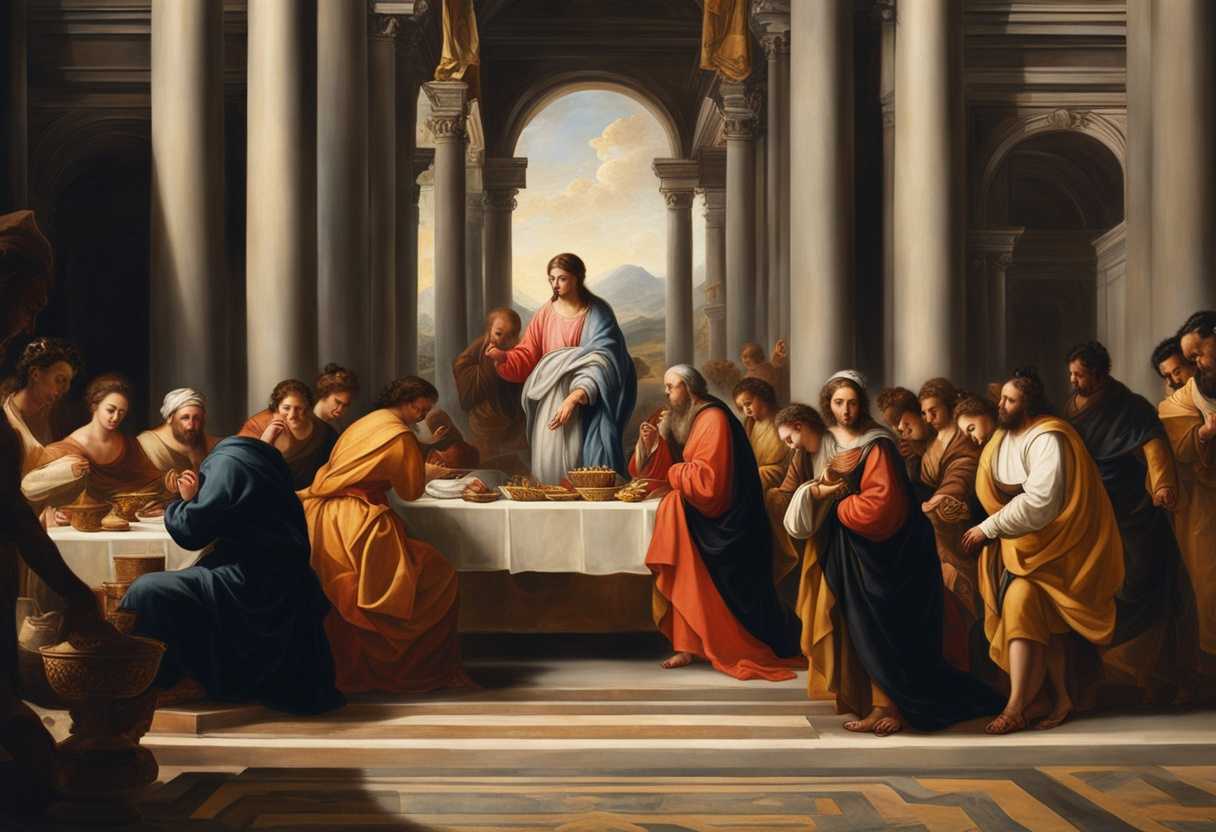
Setting the Scene for Isaiah 56:7
In Isaiah chapter 56, we find a scene set in the temple of Jerusalem. The temple courtyard is bustling with activity as people from all nations gather to worship the Lord. Among the crowd are foreigners who have joined themselves to the Lord, eager to serve Him and love His name. These individuals have chosen to keep the Sabbath holy and hold fast to God’s covenant, seeking His favor and blessings.
In this diverse gathering, there are eunuchs who have also found a place in the house of the Lord. These individuals, once considered outcasts in society, have now been welcomed into the temple, their names honored within its walls. They rejoice in the opportunity to worship alongside others, knowing that in God’s eyes, they are valued and loved. The scene is one of unity and acceptance, where all who seek the Lord can find a home in His presence.
As the people lift their voices in praise and offer sacrifices to the Lord, a sense of peace and joy fills the temple. The prophet Isaiah’s words ring true as the temple becomes a house of prayer for all nations, a place where God’s love and mercy are extended to every heart that seeks Him.
What is Isaiah 56:7 about?
This verse from the book of Isaiah expresses the inclusivity and love of God for all people. It emphasizes that God’s house, a place of worship and divine presence, is meant to be a place where all individuals, regardless of their background or nationality, can come together in prayer. This verse teaches us that God’s love transcends boundaries and prejudices, welcoming all who seek Him with open arms. We, as teachers of faith, can reflect on this verse to remind ourselves of the importance of creating spaces of inclusion, acceptance, and unity within our communities. We can ask ourselves, how can we ensure that our places of worship, learning, and community are welcoming to all individuals, regardless of their differences? How can we foster an environment where everyone feels valued, respected, and supported in their spiritual journey? We can strive to build a more compassionate and understanding world by embodying the message of this verse, reflecting the boundless love of God for all nations and peoples.
Understanding what Isaiah 56:7 really means
In the Book of Isaiah, chapter 56 holds a message of hope and inclusivity. Isaiah 56:7 specifically declares, “My house shall be called a house of prayer for all peoples.” This verse stands out as a beacon of God’s welcoming embrace to all, regardless of nationality or social status. The themes in Isaiah 56 revolve around inclusivity and worship, emphasizing the universal invitation to join in prayer and praise within the sanctuary of God.
The phrase “My house shall be called a house of prayer for all peoples” resonates with a profound message of inclusivity. It speaks to God’s desire for a diverse and united community of worshippers, where all are welcomed with open arms. This declaration underscores the universal nature of God’s love and the invitation extended to every individual to partake in the blessings of His presence. It challenges us to break down barriers and embrace the richness found in diversity within the worshiping community.
“I will bring them to my holy mountain” symbolizes the spiritual journey of drawing closer to God. This imagery conveys the idea of elevation, both physically and spiritually, as individuals are lifted up to experience the divine presence. It signifies a deepening of one’s relationship with God, moving from a place of separation to one of intimate communion. The holy mountain represents a sacred space where transformation and encounter with the divine take place.
The phrase “Make them joyful in my house of prayer” captures the essence of worship as a source of joy and fulfillment. It highlights the transformative power of prayer and communal worship, where individuals find solace, peace, and connection with God. This joy is not fleeting but rooted in the profound sense of belonging and purpose that comes from being in God’s presence. It reminds us that true happiness is found in the act of worship and in the shared experience of praising the Almighty.
In Matthew 21:13, Jesus quotes Isaiah 56:7, emphasizing the sanctity of the temple as a place of prayer. John 4:23-24 further expounds on the essence of true worship, focusing on the sincerity of one’s heart in worshiping God. Revelation 7:9 paints a vivid picture of a diverse multitude from every nation, tribe, and language standing before the throne of God, united in worship. These passages echo the universal call to worship and the inclusivity of God’s kingdom, mirroring the sentiments expressed in Isaiah 56:7.
Today, the message of Isaiah 56:7 remains relevant as ever. It challenges us to embrace inclusivity, prioritize genuine worship, and foster a supportive community where all can experience the presence of God. In a world marked by division and discord, this verse serves as a reminder of the unity and joy that come from worshiping together in harmony. It calls us to create spaces where people from all walks of life can come together, pray together, and find common ground in their shared faith.
Imagine a diverse congregation coming together in worship, much like the vision painted in Isaiah 56:7. Picture a church hosting an interfaith prayer service, where individuals from different backgrounds gather to pray and worship as one. In this setting, barriers dissolve, and hearts unite in a chorus of praise and thanksgiving. This anecdote illustrates the beauty of unity in diversity, the joy of shared worship, and the transformative power of coming together in God’s house of prayer.
In conclusion, Isaiah 56:7 encapsulates the essence of inclusive worship and the transformative power of communal prayer. It beckons us to open our hearts to all who seek God, to find joy in His presence, and to build a community where love and acceptance reign. As we reflect on this verse, may we be inspired to create spaces of worship that reflect God’s boundless love and embody the spirit of inclusivity and joy. Let us strive to be agents of unity and peace, extending the invitation of Isaiah 56:7 to all who yearn for a place of prayer and belonging.
How can we welcome all to God’s house?
The verse from Isaiah 56:7 shows us how God desires for His house to be a place where all are welcome – not just a select few. This verse emphasizes the importance of inclusivity and acceptance in God’s house. We, as believers, should strive to reflect this sentiment in our actions and attitudes towards others.
To welcome all to God’s house means to create an environment where everyone feels loved, accepted, and valued. This can be accomplished by extending hospitality to everyone who enters, regardless of their background, status, or beliefs. It involves showing kindness, respect, and understanding to all individuals, recognizing that we are all cherished equally in the eyes of God. We, as members of God’s family, must ensure that our churches and places of worship are truly welcoming to all. This means reaching out to those who may feel marginalized, inviting them to participate in the community, and embracing diversity. We can create a space where everyone feels at home and connected to God’s love by following the example set forth in Isaiah 56:7.
Application
Embrace the message of Isaiah 56:7 by making your church a beacon of prayer and acceptance. Let’s join hands to foster a community that embraces everyone, regardless of their background or beliefs. Each of us has a role in shaping our churches into sanctuaries that welcome all seeking solace in God’s presence. Will you be the driving force behind this transformative change in our congregations?

Reverend Michael Johnson is an experienced Church Minister with a profound expertise in spirituality and guidance. With a serene presence and a compassionate heart, he has faithfully served his congregation for over 20 years, leading them on a spiritual journey towards inner peace and enlightenment. Reverend Johnson’s extensive knowledge of religious philosophies and profound understanding of human nature have made him a trusted confidant and mentor to many, as he seamlessly weaves his profound wisdom into life teachings. Reverend Johnson’s calming demeanor and empathetic nature continue to uplift and heal souls, nurturing a sense of unity and tranquility within his community.