
1 In the year that King Uzziah died I saw the Lord sitting upon a throne, high and lifted up; and the train of his robe filled the temple.
2 Above him stood the seraphim. Each had six wings: with two he covered his face, and with two he covered his feet, and with two he flew.
3 And one called to another and said: “Holy, holy, holy is the Lord of hosts; the whole earth is full of his glory!”
4 And the foundations of the thresholds shook at the voice of him who called, and the house was filled with smoke.
5 And I said: “Woe is me! For I am lost; for I am a man of unclean lips, and I dwell in the midst of a people of unclean lips; for my eyes have seen the King, the Lord of hosts!”
6 Then one of the seraphim flew to me, having in his hand a burning coal that he had taken with tongs from the altar.
7 And he touched my mouth and said: “Behold, this has touched your lips; your guilt is taken away, and your sin atoned for.”
8 And I heard the voice of the Lord saying, “Whom shall I send, and who will go for us?” Then I said, “Here I am! Send me.”
9 And he said, “Go, and say to this people: “‘Keep on hearing, but do not understand; keep on seeing, but do not perceive.’
10 Make the heart of this people dull,
and their ears heavy,
and blind their eyes;
lest they see with their eyes,
and hear with their ears,
and understand with their hearts,
and turn and be healed.
11 Then I said, “How long, O Lord?” And he said: “Until cities lie waste without inhabitant, and houses without people, and the land is a desolate waste,
12 And the Lord removes people far away,
and the forsaken places are many in the midst of the land.
13 And though a tenth remain in it,
it will be burned again,
like a terebinth or an oak,
whose stump remains
when it is felled.”
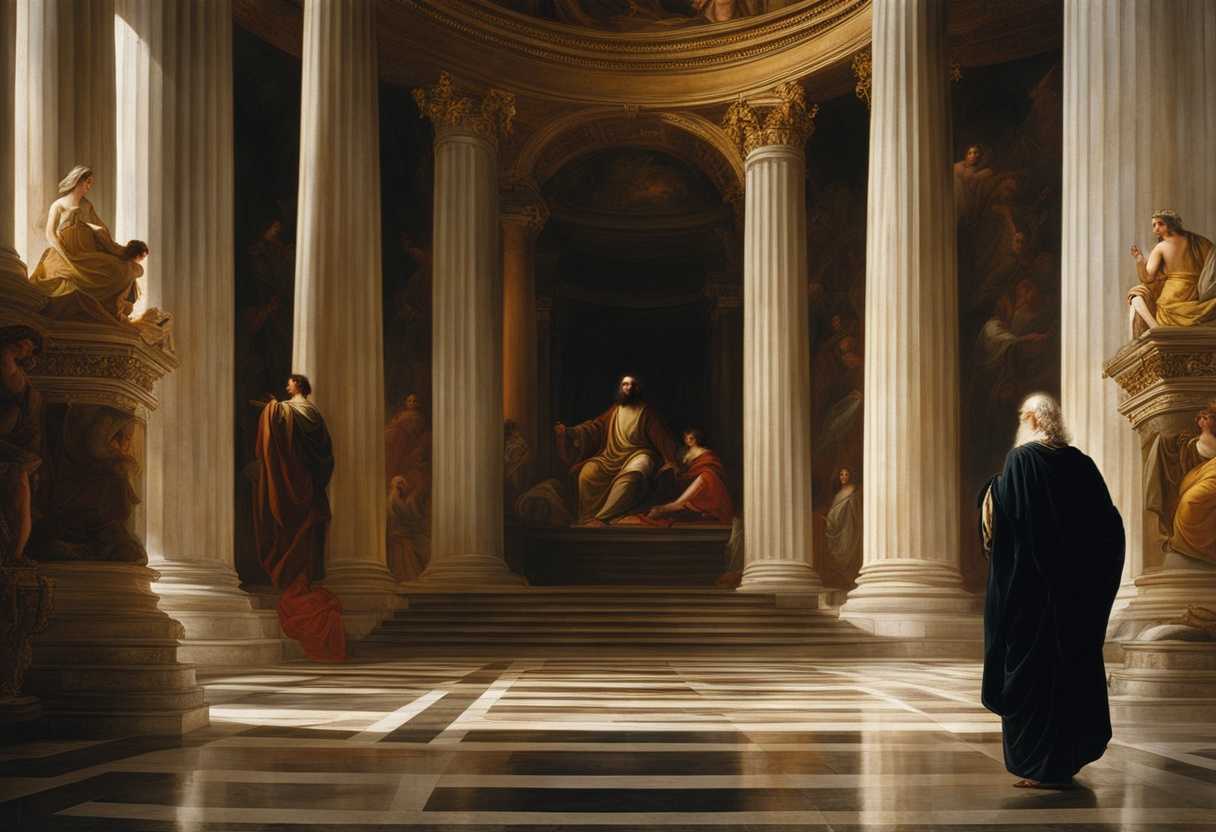
The True Meaning of Isaiah 6
The Book of Isaiah is one of the most significant and influential works in the Old Testament, written by the prophet Isaiah during the 8th century BCE. Isaiah’s words, as a revered figure in Judean society, carried immense weight, providing guidance and insight during a tumultuous time in the kingdom’s history. The prophet experienced a profound vision in this particular chapter, which would shape his prophetic ministry and the messages he would convey to the people of Judah. The chapter foreshadows the challenges and trials that the nation would face, as well as the hope and redemption that would ultimately come through the intervention of the Almighty.
Throughout this passage, we see echoes of other important biblical narratives, such as the call of Moses (Exodus 3) and the throne room visions of Ezekiel (Ezekiel 1). These intertextual connections serve to reinforce the significance of Isaiah’s experience and its place within the broader tapestry of Judean history and theology.
Isaiah 6:1-4
The verses in Isaiah 6:1-4 describe the prophet Isaiah’s extraordinary vision of God’s majesty and holiness in the temple. The passage begins with “In the year that King Uzziah died,” setting the scene and providing a specific historical context. King Uzziah was a powerful king of Judah who became prideful and attempted to burn incense in the temple, a task reserved for priests, resulting in him being struck with leprosy for his disobedience to God (2 Chronicles 26:16-21). His death marked a significant transition in the leadership of Judah, and Isaiah’s vision occurred during this time of change.
The vision itself is awe-inspiring and humbling. Isaiah sees the Lord seated on a high and lofty throne, surrounded by seraphim, angelic beings who declare the holiness of God with the words, “Holy, holy, holy is the Lord Almighty; the whole earth is full of his glory.” This repetition of “holy” emphasizes the utter purity and sacredness of God, highlighting His complete separateness from sin and imperfection. The imagery of the temple filling with smoke symbolizes the presence and glory of God, reminiscent of the times when the glory of the Lord filled the tabernacle in the wilderness and the temple in Jerusalem (Exodus 40:34; 1 Kings 8:10-11).
Isaiah’s reaction to this overwhelming vision is one of deep conviction and recognition of his own unworthiness. He cries out, “Woe to me!…I am ruined! For I am a man of unclean lips, and I live among a people of unclean lips, and my eyes have seen the King, the Lord Almighty.” This immediate awareness of his sinfulness in the presence of God’s holiness reflects a common theme throughout the Bible – the recognition of human inadequacy and the need for God’s mercy and forgiveness. Isaiah’s response also serves as a model for repentance and humility before God.
The vision in Isaiah 6:1-4 serves as a powerful reminder of God’s holiness, glory, and sovereignty. It underscores the importance of approaching God with reverence and awe, acknowledging His supreme majesty and purity. It also highlights the reality of human sinfulness and the need for confession and repentance in the presence of a holy God. This passage sets the stage for Isaiah’s prophetic ministry, as he accepts the call from God to proclaim messages of judgment and hope to the people of Judah.
Isaiah 6:5-7
Isaiah finds himself in a powerful encounter with the holiness and glory of God in Isaiah 6:5-7. The passage begins with Isaiah’s response to his vision of the Lord seated on a throne, high and exalted, with the train of His robe filling the temple. Overwhelmed by the magnificence and purity of the divine presence, Isaiah is struck by his own unworthiness and sinfulness, crying out, “Woe to me! I am ruined! For I am a man of unclean lips, and I live among a people of unclean lips, and my eyes have seen the King, the Lord Almighty.”
Isaiah’s response is a natural one in the presence of such holiness. The awareness of his own sinfulness in comparison to the purity of God’s presence leads him to acknowledge his unworthiness and the unworthiness of the people around him. This confession of sin and inadequacy is a crucial step in Isaiah’s journey towards his calling as a prophet. It reflects the importance of humility and repentance before God, recognizing our own need for cleansing and forgiveness. One of the seraphim flies to Isaiah holding a live coal taken from the altar with a pair of tongs in response to his confession. The seraph touches Isaiah’s mouth with the coal and declares, “See, this has touched your lips; your guilt is taken away and your sin atoned for.” This act symbolizes the cleansing and purification of Isaiah’s lips, the very part of him that he identified as unclean earlier. It signifies the forgiveness and restoration that come from God upon confession and repentance.
This passage in Isaiah serves as a powerful reminder of God’s holiness, our sinfulness, and the redemption that is available through His grace. It illustrates the importance of humility, confession, and repentance in our relationship with God. Isaiah’s experience parallels the broader biblical theme of the need for purification and forgiveness to stand in the presence of a holy God. Verses like Romans 3:23-24 in the New Testament reiterate a similar message, “for all have sinned and fall short of the glory of God, and all are justified freely by his grace through the redemption that came by Christ Jesus. Isaiah 6:5-7 depicts the transformative power of encountering God’s holiness, leading to confession, cleansing, and commissioning for service. It underscores the timeless truth that God’s grace is greater than our sin, and His mercy is available to all who humbly come before Him in repentance.
Isaiah 6:8-10
Isaiah 6:8-10 presents a pivotal moment in the life of the prophet Isaiah. This verse is part of his famous calling and commissioning by God. Let’s break down this passage into its key components for a deeper understanding.
Firstly, Isaiah hears the voice of the Lord saying, “Whom shall I send, and who will go for us?” This question demonstrates God’s desire to send a messenger to carry out His will. It signifies God’s sovereignty and His involvement in the affairs of humanity. God invites Isaiah to step forward and respond to His call by asking this question. This interaction highlights the personal nature of God’s relationship with His prophets and His people, emphasizing the importance of obedience and readiness to serve Him.
Isaiah’s immediate response is one of humility and surrender as he says, “Here I am! Send me.” This declaration shows Isaiah’s willingness to be used by God despite his own inadequacies. It reflects a heart that is open to God’s leading and courageous in answering His call. This act of submission sets an example for all believers, demonstrating the readiness and obedience required to fulfill God’s purposes in our lives.
However, God’s response to Isaiah includes a sobering message in verses 9 and 10. He foretells that the people will not understand or perceive Isaiah’s message, their hearts will be hardened, their ears will be dull, and their eyes will be closed. This pronouncement of judgment reveals the spiritual condition of the people of Israel at that time. It serves as a warning of the consequences of persistent rebellion and disobedience towards God.
This passage in Isaiah 6:8-10 underscores the themes of obedience, surrender, and the consequences of rejecting God’s message. It reveals God’s call to His servants to be willing instruments in His hands, even in the face of adversity and rejection. It also serves as a reminder of the importance of spiritual receptivity and responsiveness to God’s word. The prophecy in Isaiah 6:9-10 finds echoes in the teachings of Jesus, who often spoke in parables to reveal truths to those who were receptive while concealing them from those with hardened hearts (Matthew 13:10-17). Isaiah 6:8-10 captures the essence of God’s call to His people, their response, and the divine warning of judgment for those who reject His truth. It challenges believers to have a heart like Isaiah’s – willing, humble, and obedient – as they seek to fulfill their own God-given purposes in this world.
Isaiah 6:11-13
The prophet Isaiah receives a daunting commission from the Lord in Isaiah 6:11-13. Let’s break this verse down into important sections:
- “Then I said, ‘How long, O Lord?’ And He answered: ‘Until the cities lie ruined and without inhabitant, until the houses are left deserted and the fields ruined and ravaged. Isaiah is understandably overwhelmed by the magnitude and duration of the task the Lord has set before him in this section. The desolation described here reflects the judgment that awaits Judah because of their sin and rebellion against God. The Lord’s response indicates the severity of the coming judgment and that it will continue until the people have faced the full consequences of their actions.
This section serves as a powerful reminder of the importance of obedience and faithfulness to God. It reveals the consequences of turning away from Him and the necessity of repentance. The imagery of desolation serves as a warning to all who choose to walk in disobedience. It shows that God’s justice will prevail and that there are consequences for our actions.
- “The Lord has sent men away and the land is utterly forsaken. And though a tenth remains in the land, it will again be laid waste. But as the terebinth and oak leave stumps when they are cut down, so the holy seed will be the stump in the land. A glimmer of hope exists in this section, despite the impending judgment. Even though most of the people will be sent away and the land will be forsaken, a remnant will remain. This remnant is likened to a stump of a tree that, even after being cut down, still has the potential for new growth.
This imagery of a remnant is a recurring theme in the Bible. It signifies God’s faithfulness to His people even in the midst of judgment. The idea that a tiny, faithful remnant will survive the destruction reflects God’s mercy and His promise to preserve a faithful remnant to carry on His work. This section provides a message of hope amidst the despair, emphasizing God’s faithfulness and the promise of restoration. Isaiah 6:11-13 carries a profound message of judgment, repentance, and restoration. It serves as a reminder of the consequences of disobedience, the importance of remaining faithful to God, and the hope found in His promise of restoration. It highlights God’s justice, mercy, and faithfulness throughout the ages, offering timeless lessons for believers to heed.
After Isaiah 6
Isaiah’s powerful encounter with the holiness of God in the temple was witnessed in this chapter. Isaiah was overwhelmed by his own sinfulness in the presence of the Almighty, but God cleansed him and called him to be His messenger. Isaiah responded with obedience, saying, “Here am I! Send me. Let us reflect on our own response to God’s voice in our lives as we consider Isaiah’s willingness to answer God’s call. Are we ready to say, “Here am I! Send me,” and step out in faith to fulfill the purpose God has for us? Let us trust in God’s plan for us and be open to His leading, knowing that He will equip us for whatever task He calls us to.

Reverend Michael Johnson is an experienced Church Minister with a profound expertise in spirituality and guidance. With a serene presence and a compassionate heart, he has faithfully served his congregation for over 20 years, leading them on a spiritual journey towards inner peace and enlightenment. Reverend Johnson’s extensive knowledge of religious philosophies and profound understanding of human nature have made him a trusted confidant and mentor to many, as he seamlessly weaves his profound wisdom into life teachings. Reverend Johnson’s calming demeanor and empathetic nature continue to uplift and heal souls, nurturing a sense of unity and tranquility within his community.