
Isaiah 65:25 is about a vision of a peaceful and harmonious future where predator and prey will coexist in harmony, symbolizing the restoration of creation to its intended state of unity and peace.
25 The wolf and the lamb shall graze together; the lion shall eat straw like the ox, and dust shall be the serpent’s food. They shall not hurt or destroy in all my holy mountain,” says the Lord.
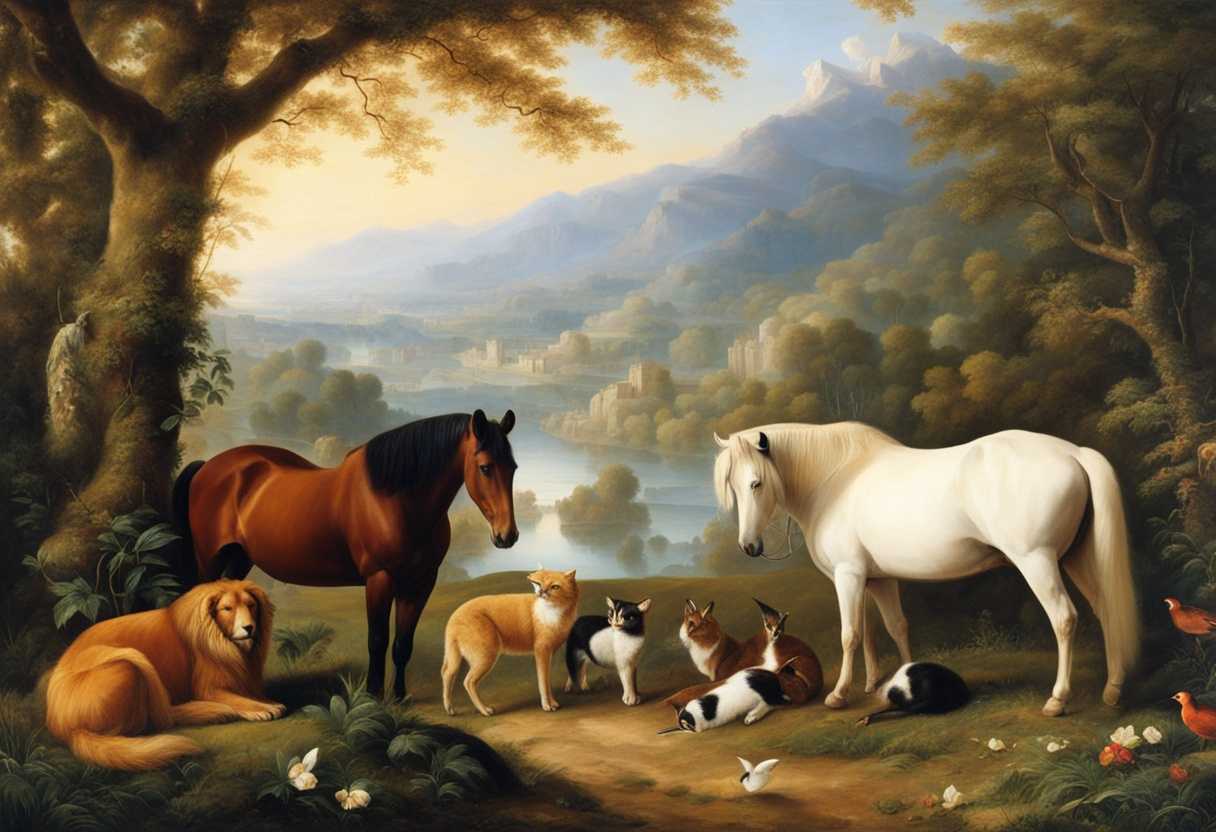
Setting the Scene for Isaiah 65:25
In Isaiah chapter 65, the prophet Isaiah paints a vivid picture of a future time of restoration and peace. The verse in question describes a scene where “The wolf and the lamb will feed together, and the lion will eat straw like the ox.” This imagery symbolizes a harmonious and peaceful coexistence among all creatures, even those that are traditionally seen as enemies in the animal kingdom.
In this scene, we find ourselves in a lush and vibrant landscape, filled with an abundance of greenery and life. The air is filled with the sounds of birds chirping and the gentle rustling of leaves in the wind. Gathered together are various animals that would typically be at odds with each other in the wild. The wolf and the lamb peacefully graze side by side, while the lion contentedly munches on straw, embodying a newfound sense of tranquility and unity.
As we observe this remarkable sight, we are reminded of the promise of a future where peace and harmony will reign not only among the animal kingdom but also among humanity. This vision serves as a powerful symbol of the ultimate restoration and reconciliation that God promises to bring about in the world.
What is Isaiah 65:25 about?
The Book of Isaiah presents us with a powerful image of harmony and reconciliation in this beautiful verse. The idea of a wolf and a lamb living together in peace speaks to the ultimate vision of a world where even the most unlikely of companions can coexist without fear or harm. It illustrates the transformative power of love and unity that transcends boundaries and differences.
This verse challenges us to reflect on our own relationships and interactions with others. Are we willing to set aside our differences and prejudices to embrace understanding and cooperation? Can we strive to create a world where conflicts are resolved through empathy and compassion rather than aggression and hostility? The imagery of the wolf and the lamb living in harmony urges us to reconsider our assumptions and biases, and to work towards building a more inclusive and peaceful society.
So, as we contemplate this verse, let us be inspired by the vision it presents and seek to embody the spirit of reconciliation and coexistence in our own lives. Let us strive to create a world where we can find common ground with even the fiercest adversaries and where peace can prevail over discord.
Understanding what Isaiah 65:25 really means
In the Book of Isaiah, specifically in chapter 65, we encounter a profound prophetic vision that paints a picture of the new heavens and the new earth. This vision is set in a context of restoration and peace, offering hope for a future where harmony reigns supreme. The verse Isaiah 65:25 is a part of this vision, depicting a scene where natural enemies coexist peacefully, symbolizing a world free from violence and harm.
To truly grasp the significance of Isaiah 65:25, we must delve into the historical and cultural context of the Book of Isaiah. Written during a time of turmoil and exile for the Israelites, the prophetic messages in Isaiah offered reassurance of God’s faithfulness and the promise of restoration. The vision in Isaiah 65 embodies this theme of restoration, presenting a future where all creation lives in harmony.
“The wolf and the lamb shall feed together” paints a vivid picture of natural enemies dwelling peacefully side by side. This imagery of harmony among animals echoes other biblical passages like Isaiah 11:6-9, emphasizing the universal peace that will characterize the new earth. Similarly, “The lion shall eat straw like the ox” symbolizes a complete transformation in nature, where even predators embrace a peaceful existence.
The phrase “Dust shall be the serpent’s food” alludes to the curse of the serpent in Genesis 3:14, highlighting the ultimate justice and the serpent’s perpetual state of humiliation. This imagery reinforces the promise of a world without harm or destruction, as reiterated in the statement, “They shall not hurt or destroy in all my holy mountain,” mirroring the future described in Revelation 21:4.
In today’s world marked by conflict and division, the vision of peace and harmony in Isaiah 65:25 remains profoundly relevant. It offers a beacon of hope for a future where enmities, both natural and human, are reconciled. This vision challenges us to strive for peace and reconciliation in our own lives and communities, inspired by the promise of a world devoid of violence and harm.
Consider a story of two conflicting groups or individuals who, against all odds, found a way to coexist in harmony, embodying the essence of Isaiah 65:25. Such anecdotes remind us of the longing for peace and reconciliation that resonates across time and cultures. As we reflect on this vision, let us actively seek ways to foster harmony in our interactions and communities, embodying the spirit of Isaiah’s prophetic message.
In conclusion, Isaiah 65:25 stands as a powerful testament to the hope and promise of a future where peace and harmony prevail. It challenges us to envision a world where even the most entrenched enmities are reconciled, urging us to actively pursue peace in our lives and communities. May this vision inspire us to work towards a future where all creation lives in harmony, reflecting the divine promise of restoration and reconciliation.
How can we coexist peacefully with all of God’s creation?
The verse from Isaiah 65:25 describes a peaceful coexistence between different creatures in God’s creation. The passage speaks of a time when even the dangerous and harmful animals will live harmoniously with others, symbolizing a world where peace and unity prevail. God values all creatures and gives them a place in the interconnected web of creation as part of His plan.
To coexist peacefully with all of God’s creation, we can strive to cultivate a mindset of respect, stewardship, and compassion towards animals and nature. We can make choices that prioritize the well-being of all creatures and strive to live in harmony with the environment by recognizing the value of every living being and our interconnectedness with them. This can involve caring for God’s creation, advocating for conservation and protection of wildlife, and living in a way that fosters sustainability and balance in the ecosystem. We can contribute to a world where peace and harmony extend to every corner of the earth by living in accordance with the values of love, respect, and stewardship towards all of God’s creation. Building a peaceful coexistence with all creatures involves recognizing our shared responsibility in caring for the environment and working towards a future where all beings can thrive together in God’s creation.
Application
Let’s embrace Isaiah 65:25’s message; let kindness and empathy flow through our actions, fostering unity with all beings. Like a well-oiled machine at work, let’s harmonize with the world, nurturing and safeguarding our surroundings like we would our own family. Will we rise to our duty as Earth’s caretakers, spreading love and reverence to every living soul, a testament of our faith and appreciation toward the divine force that links us all?

Reverend Michael Johnson is an experienced Church Minister with a profound expertise in spirituality and guidance. With a serene presence and a compassionate heart, he has faithfully served his congregation for over 20 years, leading them on a spiritual journey towards inner peace and enlightenment. Reverend Johnson’s extensive knowledge of religious philosophies and profound understanding of human nature have made him a trusted confidant and mentor to many, as he seamlessly weaves his profound wisdom into life teachings. Reverend Johnson’s calming demeanor and empathetic nature continue to uplift and heal souls, nurturing a sense of unity and tranquility within his community.