
Isaiah 7:10-14 is about the prophecy foretelling the birth of Jesus Christ, a sign of God’s faithfulness and ultimate salvation for His people.
10 Again the Lord spoke to Ahaz,
11 “Ask a sign of the Lord your God; let it be deep as Sheol or high as heaven.”
12 But Ahaz said, “I will not ask, and I will not put the Lord to the test.”
13 And he said, “Hear then, O house of David! Is it too little for you to weary men, that you weary my God also?
14 Therefore the Lord himself will give you a sign. Behold, the virgin shall conceive and bear a son, and shall call his name Immanuel.
Setting the Scene for Isaiah 7:10-14
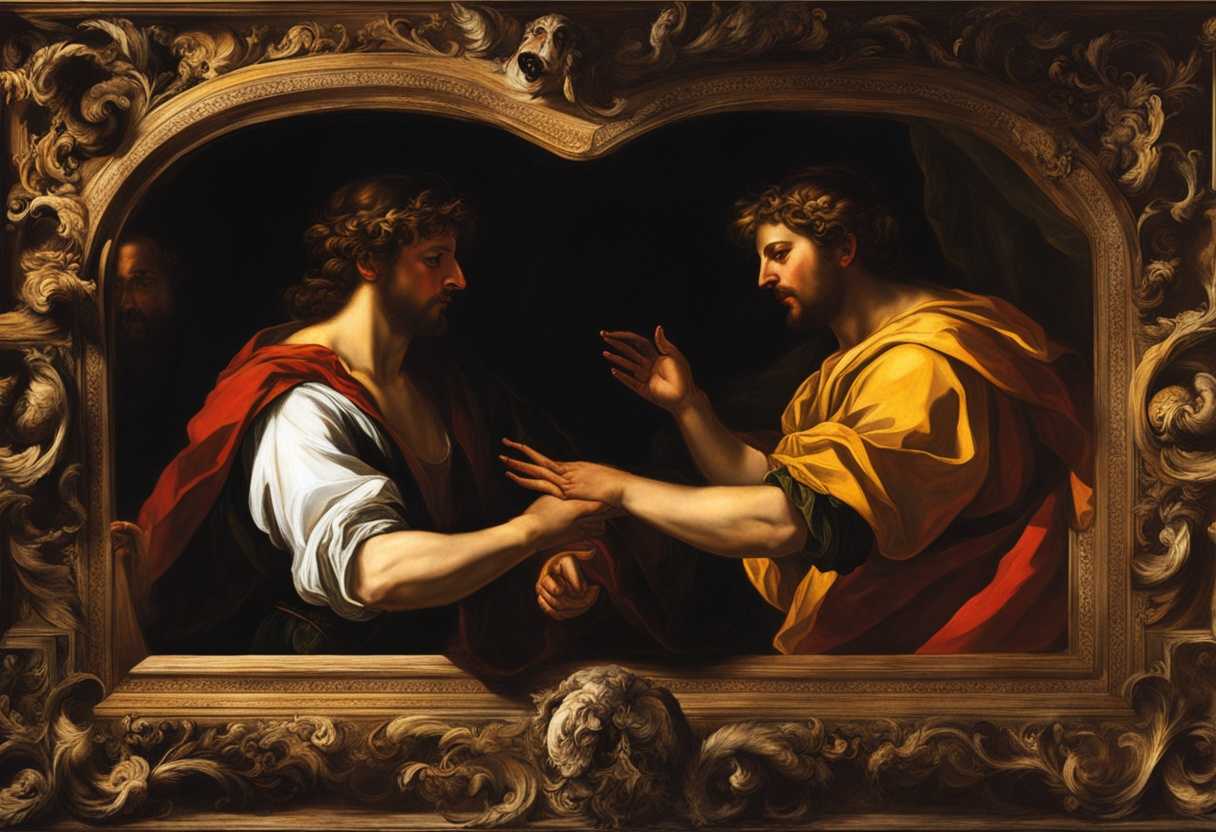
In Isaiah chapter 7, we find the prophet Isaiah standing in the courtyard of King Ahaz’s palace in Jerusalem. The king is troubled by the threat of invasion from the northern kingdom of Israel and Syria. Isaiah has been sent by God to deliver a message of reassurance to Ahaz. As Isaiah stands in the courtyard, surrounded by royal guards and court officials, he waits for the king to come out and meet him.
King Ahaz finally emerges from the palace, his face etched with worry and anxiety. He approaches Isaiah, who begins to speak words of comfort and faith. Isaiah tells Ahaz that God will protect Judah and that a sign will be given: “Therefore the Lord himself will give you a sign: The virgin will conceive and give birth to a son, and will call him Immanuel.” The courtyard is filled with tension as the king contemplates Isaiah’s words, grappling with his faith and trust in God amidst the looming threat of war.
What is Isaiah 7:10-14 about?
This verse is a powerful prophecy foretelling the miraculous birth of Jesus Christ through a virgin. It speaks of a significant event in Christian theology and belief – the incarnation of God in human form. The fulfillment of this prophecy is seen as a sign of God’s mighty power and His divine plan for salvation.
Have you ever wondered about the significance of Jesus being born of a virgin? The virgin birth emphasizes the unique nature of Christ’s birth and helps to affirm His divine nature. It shows us that Jesus is not just an ordinary human being, but the Son of God who came into the world to bring light, love, and salvation to all people. This prophecy is a reminder of God’s faithfulness to His promises and His extraordinary ways of working in the world.
When we reflect on this prophecy, it reminds us of the awe-inspiring mystery of the Incarnation and the incredible love that God has for us. It challenges us to contemplate the depth of God’s plan for our redemption and the significance of Jesus’ birth in fulfilling that plan. This verse serves as a reminder of the miraculous and transformative power of God’s presence in our lives, inviting us to ponder the profound implications of the birth of Jesus Christ for humanity.
Understanding what Isaiah 7:10-14 really means
In the Book of Isaiah, we encounter a major prophet whose writings delve into themes of judgment and salvation. The passage in focus takes place during the reign of King Ahaz of Judah, a period marked by political unrest and threats from neighboring nations. Here, we witness a direct interaction between God and Ahaz, showcasing God’s willingness to guide and support His people. Despite the tumultuous times, God invites Ahaz to seek a sign, offering assurance and proof of His promises. However, Ahaz’s response of refusing to ask for a sign may reflect false humility or a lack of faith, missing an opportunity to trust in God’s power.
Nevertheless, God, in His sovereignty and commitment to His people, decides to provide a sign despite Ahaz’s reluctance. The prophecy of a virgin conceiving and giving birth to a son, to be called Immanuel, holds immense significance as it foretells the birth of Jesus Christ, who embodies the concept of “God with us.” This prophecy finds fulfillment in the New Testament, as seen in Matthew 1:22-23, where Jesus is identified as the realization of this ancient prophecy. Additionally, in Luke 1:26-35, the angel Gabriel’s message to Mary echoes the prophecy, emphasizing the miraculous nature of Jesus’ conception and His divine identity.
The relevance of this passage extends to contemporary times, offering assurance of God’s presence in our lives and challenging us to have faith and trust in His promises, especially in challenging circumstances. For Christians, this prophecy serves as a foundational belief, affirming Jesus as the promised Savior who brings hope and redemption. Consider a scenario where an individual, grappling with a life-altering decision, finds solace and confidence in God’s guidance, akin to Ahaz’s experience. This realization of God’s constant presence and willingness to lead brings peace and assurance to move forward in faith.
Key phrases like “The Lord spoke to Ahaz” underscore God’s proactive communication with His people, while “Ask the Lord your God for a sign” encourages believers to seek divine guidance in times of need. The prophecy of the virgin conceiving and the birth of Immanuel highlights the miraculous nature of Jesus’ arrival, emphasizing His divine origin and the fulfillment of God’s promise. The name “Immanuel,” meaning “God with us,” encapsulates the intimate presence and involvement of God in human history through Jesus, signifying His love and salvation.
By delving into these aspects, we gain a deeper understanding of God’s unwavering commitment to His people and the profound significance of Jesus’ birth as the ultimate demonstration of God’s love and redemption for humanity.
How can we recognize the signs of God’s presence?
We can recognize the signs of God’s presence by looking for the fulfillment of prophecies and promises made by Him. Isaiah in the passage mentioned a prophecy about a virgin giving birth to a son, which was fulfilled in the birth of Jesus. This miraculous birth serves as a sign of God’s presence and intervention in the world.
Additionally, we can recognize God’s presence through the fulfillment of His promises in our lives. When we experience His faithfulness, provision, protection, and guidance, we can see His hand at work. We can see God’s promises being fulfilled in our own lives, affirming His presence with us, just as the prophecy in Isaiah was fulfilled in the coming of Jesus.
God’s presence can also be recognized through moments of peace, comfort, and joy that surpass understanding. When we feel His peace in the midst of chaos, His comfort in times of sorrow, or His joy in moments of celebration, we can be assured of His presence with us. We can experience the reality of God’s presence more fully by paying attention to these signs and being open to His work in our lives.
Application
Witness the divine prophecy of the Messiah’s birth from a virgin in Isaiah 7:10-14. The plan of God is unfolding before us, with Jesus Christ fulfilling this miraculous event for our salvation. Reflect on the significance of this prophecy and be inspired to deepen your faith. Embrace this divine call, share the good news, and live obediently to God’s will. Will you answer this call and spread the promise of the Messiah’s birth to others?

Reverend Michael Johnson is an experienced Church Minister with a profound expertise in spirituality and guidance. With a serene presence and a compassionate heart, he has faithfully served his congregation for over 20 years, leading them on a spiritual journey towards inner peace and enlightenment. Reverend Johnson’s extensive knowledge of religious philosophies and profound understanding of human nature have made him a trusted confidant and mentor to many, as he seamlessly weaves his profound wisdom into life teachings. Reverend Johnson’s calming demeanor and empathetic nature continue to uplift and heal souls, nurturing a sense of unity and tranquility within his community.