
1 Righteous are you, O Lord,
when I complain to you;
yet I would plead my case before you.
Why does the way of the wicked prosper?
Why do all who are treacherous thrive?
2 You have planted them, and they have taken root; they grow and produce fruit. You are always on their lips but far from their hearts.
3 But you, O Lord, know me; you see me, and test my heart toward you. Drag them out like sheep for the slaughter, and set them apart for the day of slaughter.
4 How long will the land mourn
and the grass of every field wither?
5 “If you have raced with men on foot, and they have wearied you, how will you compete with horses? And if in a safe land you are so trusting, what will you do in the thicket of the Jordan?”
6 For even your brothers and the house of your father,
even they have dealt treacherously with you;
they are in full cry after you;
do not believe them,
though they speak friendly words to you.
7 “I have forsaken my house;
I have abandoned my heritage;
I have given the beloved of my soul
into the hands of her enemies.
8 My heritage has become to me like a lion in the forest; she has lifted up her voice against me; therefore I hate her.
9 Is my heritage to me like a hyena’s lair? Are the birds of prey against her all around? Go, assemble all the wild beasts; bring them to devour.
10 Many shepherds have destroyed my vineyard; they have trampled down my portion; they have made my pleasant portion a desolate wilderness.
11 They have made it a desolation;
desolate, it mourns to me.
The whole land is made desolate,
but no man lays it to heart.
12 They have sown wheat and have reaped thorns; they have tired themselves out but profit nothing. They shall be ashamed of their harvests because of the fierce anger of the Lord.”
13 They have sown wheat and have reaped thorns; they have tired themselves out but profit nothing. They shall be ashamed of their harvests because of the fierce anger of the Lord.”
14 Thus says the Lord concerning all my evil neighbors who touch the heritage that I have given my people Israel to inherit: behold, I will pluck them up from their land, and I will pluck up the house of Judah from among them.
15 And after I have plucked them up, I will again have compassion on them, and I will bring them again each to his heritage and each to his land.
16 And it shall come to pass, if they will diligently learn the ways of my people, to swear by my name, ‘As the Lord lives,’ even as they taught my people to swear by Baal, then they shall be built up in the midst of my people.
17 But if any nation will not listen, then I will utterly pluck it up and destroy it, declares the Lord.”
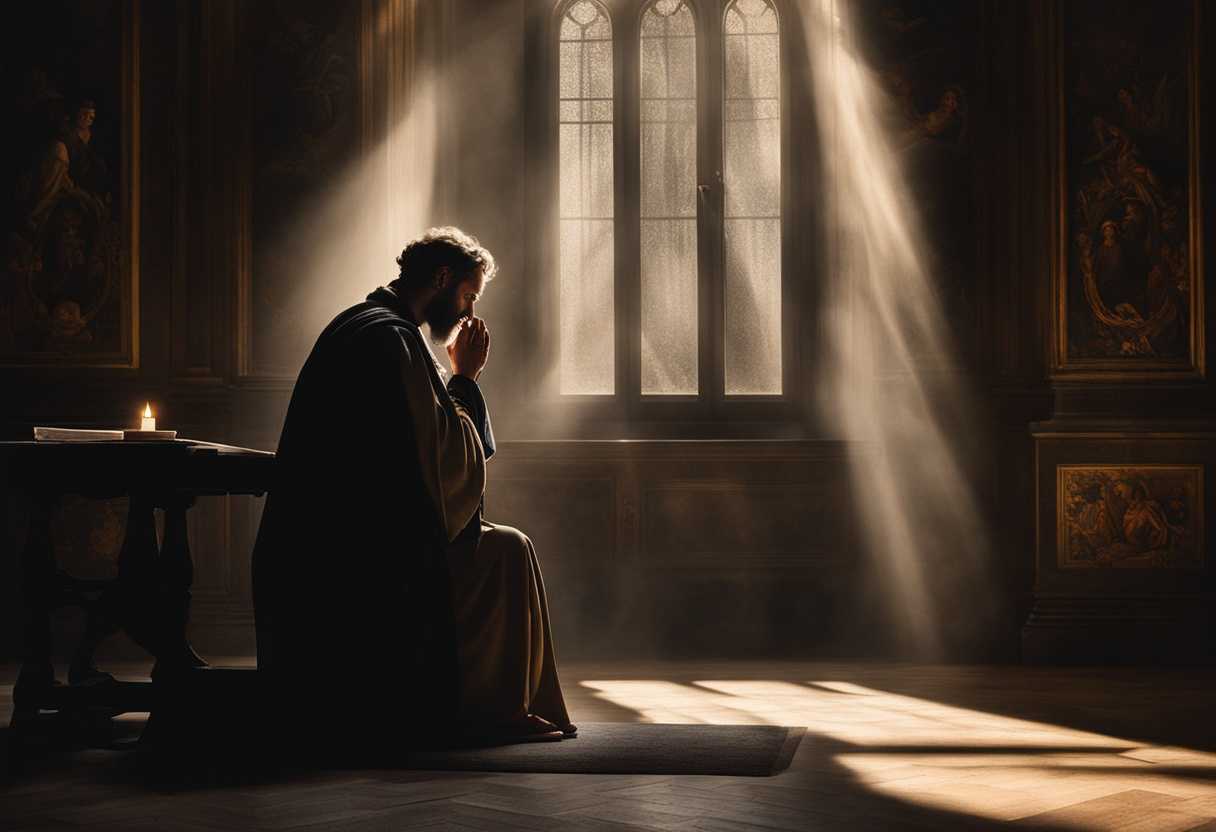
The True Meaning of Jeremiah 12
The book of Jeremiah was written by the prophet Jeremiah, who lived during a tumultuous time in Judah’s history. God called Jeremiah, a young man, to be a prophet, delivering messages of warning and judgment to the people of Judah. Jeremiah grapples with the apparent injustice he sees in the world in this chapter. He questions God’s ways, expressing his frustration with the prosperity of the wicked. However, this dialogue with the Almighty foreshadows the deeper lessons Jeremiah will learn about God’s sovereignty and the need for faith, even in the face of life’s complexities. We will witness Jeremiah’s honest struggle with the realities of sin and suffering as we delve into this chapter, and we’ll see how God responds to his prophet’s concerns. This passage reminds us that even the most faithful servants of God can experience moments of doubt and confusion, but that ultimately, we must trust in the Lord’s perfect plan.
Jeremiah 12:1-4
Jeremiah expresses his complaints and concerns to God in Jeremiah 12:1-4. He starts by questioning God’s justice, asking why the wicked seem to prosper while the righteous suffer. This is a common theme throughout the Bible, where many characters, including Job and the psalmists, question God’s ways and express their anguish over the apparent disparity between the fates of the righteous and the wicked. Jeremiah’s questioning here shows his deep concern for righteousness and justice in the world.
Jeremiah then moves on to express his frustration with the land being full of treacherous people who do not keep faith. This highlights the moral decay and faithlessness that had taken hold of the people of Judah at that time. The prophet was speaking out against the corruption and sinfulness of his society, calling for a return to God’s ways and a rejection of dishonesty and deceit. Jeremiah’s words serve as a warning to the people to repent and turn back to God before it is too late, or else face the consequences of their actions.
The prophet then brings up the issue of the destruction of the land and its crops by wild animals, which he interprets as a punishment from God for the people’s sins. This is a common theme in the Bible, where the land and crops are seen as directly affected by the spiritual state of the people. Just as the people of Israel were promised blessings for obedience and curses for disobedience in Deuteronomy 28, Jeremiah sees the devastation of the land as a consequence of the people’s unfaithfulness to God.
Lastly, Jeremiah expresses his frustration with the people of his own family, who have betrayed him and turned against him. This personal betrayal adds to the prophet’s sorrow and highlights the challenges he faced in delivering God’s messages to a people who did not want to hear them. Jeremiah’s struggles with opposition and rejection serve as a poignant reminder of the difficulties faced by those who are called to speak the truth in a world that often rejects it. Jeremiah 12:1-4 provides a glimpse into the prophet’s inner turmoil and the challenges he faced in speaking out against the sins of his society. It serves as a reminder of the importance of seeking justice, righteousness, and faithfulness in all aspects of our lives, and the consequences that may follow if we stray from God’s ways. The passage also highlights the personal struggles and sacrifices that prophets and messengers of God often endure in fulfilling their calling.
Jeremiah 12:5-6
The prophet Jeremiah expresses his frustration to God in Jeremiah 12:5-6. Jeremiah starts by stating, “If you have raced with men on foot and they have worn you out, how can you compete with horses?” This metaphor is powerful as it showcases Jeremiah feeling overwhelmed and exhausted by the challenges he is facing. He questions how he can handle even greater challenges if the current ones already seem insurmountable. This shows Jeremiah’s human side, revealing his doubts and struggles, despite his strong faith. This section of the verse highlights the very relatable human experience of feeling overwhelmed and questioning our abilities when facing adversity. Jeremiah asks why God has allowed the wicked to prosper and why they are at ease in the continuation of the verse. He questions the prosperity of those who do not follow God’s ways and seems to be grappling with the age-old question of the prosperity of the wicked in the face of the suffering of the righteous. This is a common theme throughout the Bible, where the concept of the prosperity of the wicked is addressed in various books, such as in Psalms 73:3-12.
God’s response in verse 5 is both instructive and comforting. He assures Jeremiah that if he feels weary from the current challenges, how will he be able to handle even greater adversity in the future? God is reminding Jeremiah that he must trust in Him and His plan, even when faced with overwhelming circumstances. This message is timeless and resonates with all believers who may question God’s plan during difficult times. It serves as a reminder to trust in God’s strength and to lean on Him for support and guidance during times of struggle. Jeremiah 12:5-6 captures the essence of human struggle and doubt, juxtaposed with God’s unwavering strength and wisdom. The dialogue between Jeremiah and God reflects the timeless theme of trusting in God’s plan, even when faced with challenges that seem insurmountable. This passage serves as a reminder for believers to seek God’s strength and guidance during times of adversity, knowing that He is always present and ready to help us navigate life’s challenges.
Jeremiah 12:7-13
Jeremiah expresses his frustration and confusion to God about the seeming prosperity of the wicked and the injustice that he perceives around him in Jeremiah 12:7-13. Let’s identify the subject: “we”
Rewrite the sentence in active voice: “We will break down this verse and delve deeper into its significance.”
Firstly, in verse 7, Jeremiah directly questions God about why the wicked prosper and those who deal treacherously seem to be at ease. This raises a common human dilemma about the disparity between the righteous who may face hardship and the wicked who seem to thrive. Jeremiah, as a prophet, is grappling with the age-old question of why God allows injustice and suffering to exist in the world. This reflects a broader theme in the Bible of the tension between the righteous and the wicked, and the ultimate justice and judgment that God promises in the end.
Moving on to verse 8, God responds to Jeremiah’s lament by reminding him that His chosen people, Israel, have become like a lion in the forest against Him. This metaphorical language paints a vivid picture of Israel’s rebellion and turning away from God’s ways. Throughout the Bible, the metaphor of God’s people being compared to a flock or a vineyard is common, highlighting the close relationship between God and His chosen ones. However, when they stray and act against His will, they are likened to wild beasts or unfruitful vines. God announces the punishment that is to come upon His people due to their disobedience and unfaithfulness in verse 9. He declares that He will forsake His heritage and deliver it into the hands of enemies. This echoes the consistent theme in the Old Testament of God’s judgment upon Israel for their waywardness. The concept of God as a just judge who rewards obedience and punishes disobedience is a fundamental aspect of biblical theology.
The passage further describes how God has forsaken His house, abandoned His inheritance, and given it into the hands of His enemies. This imagery of God’s house being left desolate and vulnerable to external forces reflects the consequences of Israel’s actions and the divine judgment that ensues. Throughout the Bible, we see God’s people facing the repercussions of their sins and God’s faithfulness in disciplining them to bring about repentance and restoration. God warns in verse 13 that His people have sown wheat but will reap thorns. This vivid agricultural metaphor illustrates the principle of reaping what is sown, where the actions and choices of individuals or nations have inevitable consequences. This principle is reiterated in Galatians 6:7-8, which states, “Do not be deceived: God cannot be mocked. A man reaps what he sows. Whoever sows to please their flesh, from the flesh will reap destruction; whoever sows to please the Spirit, from the Spirit will reap eternal life. The passage in Jeremiah 12:7-13 highlights the themes of justice, judgment, and the consequences of disobedience in the context of God’s covenant relationship with His people. It serves as a reminder of the importance of faithfulness, obedience, and seeking God’s ways to avoid the pitfalls of sin and its repercussions. The passage ultimately underscores the timeless message of the Bible that emphasizes the sovereignty and righteousness of God, calling His people to walk in His paths and trust in His justice and mercy.
Jeremiah 12:14-17
The verse in Jeremiah 12:14-17 can be broken down into several important sections. The Lord says, “I will uproot all my wicked neighbors who seize the inheritance I gave my people Israel, and I will uproot the people of Judah from among them.” The Lord is declaring His judgment against the neighboring nations who had mistreated His chosen people, Israel in this section. God had given the land of Israel as an inheritance to the Israelites, and these wicked neighbors had seized it unjustly. The message here is that God is just and will not tolerate the mistreatment of His people. This reflects the timeless message of God’s faithfulness to His people and His promise to uphold justice.
- “But after I uproot them, I will again have compassion and will bring each of them back to their own inheritance and their own country.”
This section reveals God’s mercy and compassion even towards the enemies of His people. Despite His judgment upon them, God promises to restore these nations to their own lands. This emphasizes God’s sovereignty and the fact that He ultimately holds power over all nations. It also serves as a reminder of God’s desire for all people to repent and turn to Him, regardless of their past actions.
- They will be established among my people if they learn well the ways of my people and swear by my name, saying, ‘As surely as the Lord lives’ – even as they once taught my people to swear by Baal.”
Here, God sets the conditions for the restoration of these nations. If they learn from the ways of the Israelites and acknowledge the one true God, swearing by His name, they will be accepted among His people. This demonstrates God’s inclusivity and his willingness to forgive and welcome those who turn to Him in repentance. It echoes the theme of God’s desire for all people to come to Him and be a part of His chosen community. These verses in Jeremiah 12 convey a message of God’s justice, mercy, and desire for reconciliation. They illustrate God’s sovereignty over all nations and His faithfulness to His people. This passage also points to the universal call for repentance and inclusion in God’s kingdom, emphasizing the importance of obedience and faithfulness to Him. It ties into the broader biblical theme of God’s redemptive plan for all people, encompassing both judgment and restoration.
After Jeremiah 12
The Lord had spoken to Jeremiah, revealing the wickedness of the people and the coming judgment. Jeremiah pleaded with the Lord, questioning why the wicked prospered while the righteous suffered. The Lord responded, warning Jeremiah that even his own family had betrayed him. Yet, the Lord promised to eventually restore the land and the people, if they would return to Him. Jeremiah knew that the road ahead would be difficult as he contemplated these weighty matters. The people had strayed far from the Lord, and the consequences of their actions would be severe. But Jeremiah also recognized that the Lord’s mercy was greater than their sin. Jeremiah will continue to faithfully proclaim the Lord’s message, even in the face of growing opposition and persecution in the next chapter.

Reverend Michael Johnson is an experienced Church Minister with a profound expertise in spirituality and guidance. With a serene presence and a compassionate heart, he has faithfully served his congregation for over 20 years, leading them on a spiritual journey towards inner peace and enlightenment. Reverend Johnson’s extensive knowledge of religious philosophies and profound understanding of human nature have made him a trusted confidant and mentor to many, as he seamlessly weaves his profound wisdom into life teachings. Reverend Johnson’s calming demeanor and empathetic nature continue to uplift and heal souls, nurturing a sense of unity and tranquility within his community.