
1 The word of the Lord that came to Jeremiah concerning the drought:
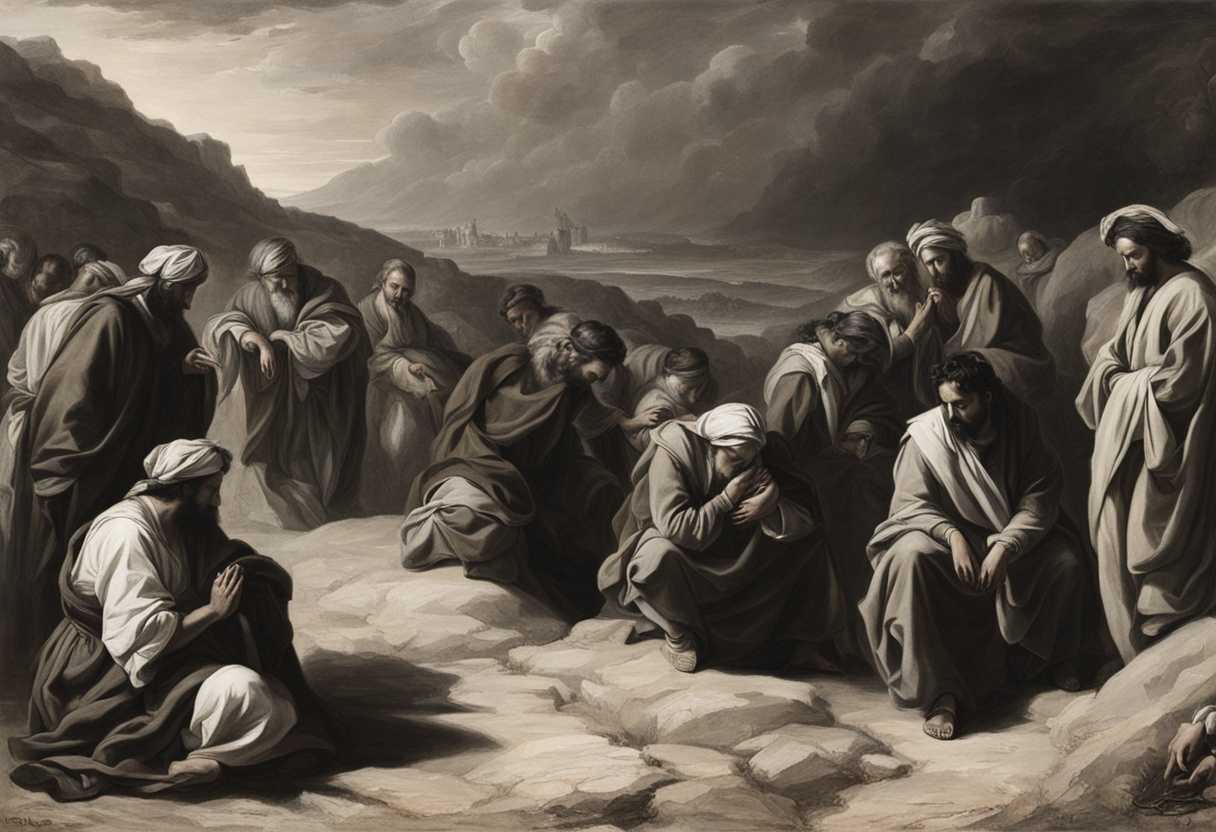
2 “Judah mourns, and her gates languish; her people lament on the ground, and the cry of Jerusalem goes up.”
3 Their nobles send their servants for water;
they come to the cisterns;
they find no water;
they return with their vessels empty;
they are ashamed and confounded
and cover their heads.
4 Because of the ground that is dismayed, since there is no rain on the land, the farmers are ashamed; they cover their heads.
5 Even the doe in the field forsakes her newborn fawn because there is no grass.
6 And the wild donkeys stand on the bare heights; they pant for air like jackals; their eyes fail because there is no vegetation.
7 “Though our iniquities testify against us,
act, O Lord, for your name’s sake;
for our backslidings are many;
we have sinned against you.
8 O you hope of Israel,
its savior in time of trouble,
why should you be like a stranger in the land,
like a traveler who turns aside to tarry for a night?
9 Why should you be like a man confused,
like a mighty warrior who cannot save?
Yet you, O Lord, are in the midst of us,
and we are called by your name;
do not leave us.”
10 Thus says the Lord concerning this people: “They have loved to wander thus; they have not restrained their feet; therefore the Lord does not accept them; now he will remember their iniquity and punish their sins.”
11 The Lord said to me: “Do not pray for the welfare of this people.
12 Though they fast, I will not hear their cry, and though they offer burnt offering and grain offering, I will not accept them. But I will consume them by the sword, by famine, and by pestilence.
13 Then I said: “Ah, Lord God, behold, the prophets say to them, ‘You shall not see the sword, nor shall you have famine, but I will give you assured peace in this place.’”
14 And the Lord said to me: “The prophets are prophesying lies in my name. I did not send them, nor did I command them or speak to them. They are prophesying to you a lying vision, worthless divination, and the deceit of their own minds.
15 Therefore thus says the Lord concerning the prophets who prophesy in my name although I did not send them, and who say, ‘Sword and famine shall not come upon this land’: By sword and famine those prophets shall be consumed.
16 And the people to whom they prophesy shall be cast out in the streets of Jerusalem, victims of famine and sword, with none to bury them—them, their wives, their sons, and their daughters. For I will pour out their evil upon them.
17 “You shall say to them this word:
‘Let my eyes run down with tears night and day,
and let them not cease,
for the virgin daughter of my people is shattered with a great wound,
with a very grievous blow.
18 If I go out into the field,
behold, those pierced by the sword!
And if I enter the city,
behold, the diseases of famine!
For both prophet and priest ply their trade through the land
and have no knowledge.
19 Have you utterly rejected Judah?
Does your soul loathe Zion?
Why have you struck us down
so that there is no healing for us?
We looked for peace, but no good came;
for a time of healing, but behold, terror.
20 We acknowledge our wickedness, O Lord,
and the iniquity of our fathers,
for we have sinned against you.
21 Do not spurn us, for your name’s sake; do not dishonor your glorious throne; remember and do not break your covenant with us.
22 Can any man make for himself gods when they are not gods?
The True Meaning of Jeremiah 14
The book of Jeremiah was written by the prophet Jeremiah, who lived during a tumultuous time in Judah’s history. Jeremiah, as a young man, was called by God to be a prophet, delivering messages of warning and judgment to the people of Judah. Jeremiah addresses the severe drought that has plagued the land, and the people’s response to this calamity in this chapter. The chapter foreshadows the impending judgment that Judah will face due to their continued disobedience and rejection of God. We see Jeremiah’s heartfelt pleas for mercy, as well as God’s firm response, which echoes the warnings found throughout the book of Jeremiah. We will witness Jeremiah’s anguish over the suffering of his people and the difficult task he faces in delivering God’s message of judgment as we delve into this chapter. This passage also highlights the importance of repentance and the consequences of turning away from God, a theme that is woven throughout the prophetic writings of the Old Testament.
Jeremiah 14:1-6
The passage in Jeremiah 14:1-6 describes a time of severe drought in the land of Judah, leading to distress and mourning among its inhabitants. The people are portrayed as being in a state of desperation, with the implications of the drought affecting both the land and the people’s spiritual connection with God.
The first section presents a vivid image of the devastation caused by the drought. The text says, “Judah mourns, her cities languish; they wail for the land, and a cry goes up from Jerusalem.” This sets the tone for the dire situation facing the people of Judah, reflecting not only the physical suffering due to lack of water and sustenance but also the emotional and spiritual anguish that accompanies such hardships. This evokes a sense of collective grief and despair, highlighting the deep connection between a land and its people.
The next part of the passage describes the impact of the drought on the people themselves. It says, “The nobles send their servants for water; they go to the cisterns but find no water. They return with their jars unfilled; dismayed and despairing, they cover their heads.” This paints a picture of a society where even the wealthy and powerful are unable to access basic necessities, emphasizing the leveling effect of natural disasters that can strip away societal hierarchies and reveal the vulnerability of all people in the face of such calamities. The passage continues to depict a sense of hopelessness among the people as they acknowledge their sins and the consequences of their actions. They cry out to God, recognizing the need for divine intervention in their time of distress. This reflects a common theme in the Bible where trials and tribulations often lead people to turn back to God, seeking His mercy and guidance in times of trouble. It serves as a reminder that even in the darkest moments, there is always the possibility of redemption through faith and repentance.
Finally, the passage concludes with a plea from the people to God, acknowledging their wrongdoing and expressing their dependence on Him for salvation. They confess, “We acknowledge our wickedness, Lord, and the guilt of our ancestors; we have indeed sinned against you.” This confession sets the stage for the possibility of forgiveness and restoration, illustrating the importance of humility and repentance in seeking reconciliation with God. It echoes the broader biblical narrative of God’s willingness to forgive and heal His people if they turn back to Him with contrite hearts. Jeremiah 14:1-6 serves as a poignant reflection on the consequences of sin, the power of collective prayer, and the enduring hope for God’s mercy and grace even in times of great trial. It urges readers to reflect on their own actions, seek reconciliation with God, and trust in His faithfulness to bring healing and restoration to a broken world.
Jeremiah 14:7-9
The verse in Jeremiah 14:7-9 can be broken down into a few important sections. The first part of the verse describes how the people of Judah mourn, and the land is in distress. This sets the scene for the dire situation facing the nation at that time. The people are depicted as mourning, and the land is suffering, emphasizing the severity of their circumstances. This imagery is powerful in highlighting the depth of their despair and the need for divine intervention.
The second part of the verse continues by stating that the people cry out for mercy from God, highlighting their recognition of their need for help from above. Despite their wayward ways and sins that may have contributed to their current situation, the people turn to God in their distress, acknowledging Him as the only source of deliverance. This act of turning to God in times of trouble reflects a timeless message in the Bible of seeking God’s guidance and mercy in all situations, especially in times of need.
The mention of the people of Jerusalem, their sacrifices to idols, and the lack of rain also play significant roles in this verse. The people of Judah, particularly Jerusalem, are called out for their idolatry, which goes against God’s commandments. Their sacrifices to idols instead of worshiping the true God have contributed to their current state of distress. This serves as a warning against turning away from God and worshiping false idols, emphasizing the importance of faithfulness and obedience to God’s teachings.
The lack of rain mentioned in the verse is not just a physical drought but also symbolic of a spiritual drought. The absence of rain reflects a lack of God’s blessings and favor upon the land and its people due to their disobedience. People in biblical times often saw rain as a sign of God’s provision and blessing. Therefore, the drought serves as a consequence of the people’s sins and the need for repentance and restoration of their relationship with God. The themes of repentance, obedience, and reliance on God in times of trouble are consistent throughout the Bible in relation to other verses. God stated in 2 Chronicles 7:14, “if my people, who are called by my name, will humble themselves and pray and seek my face and turn from their wicked ways, then I will hear from heaven, and I will forgive their sin and will heal their land.”” This verse reinforces the importance of seeking God’s forgiveness and turning away from sin to receive His mercy and restoration. Jeremiah 14:7-9 serves as a powerful reminder of the consequences of disobedience, the importance of seeking God in times of trouble, and the need for repentance to restore a relationship with Him. The imagery of mourning, cries for mercy, idolatry, and lack of rain all come together to paint a vivid picture of the spiritual state of the people of Judah and the timeless message of the consequences of straying from God’s ways.
Jeremiah 14:10-12
Jeremiah conveys the words of the Lord to the people of Judah in Jeremiah 14:10-12. Let’s break down this passage to better understand its significance.
Verse 10 begins with the Lord speaking to Jeremiah, instructing him to inform the people of Judah about the consequences of their actions. The Lord declares, “This is what the Lord says about this people: ‘They greatly love to wander; they do not restrain their feet. So the Lord does not accept them; he will now remember their wickedness and punish them for their sins.’” This verse highlights the disobedience and waywardness of the people of Judah. Despite God’s guidance and laws, they persist in their sinful ways, symbolized by their wandering nature. The Lord’s decision not to accept them emphasizes the importance of obedience and faithfulness in maintaining a relationship with God. The concept of God remembering their wickedness underscores the accountability and justice of God’s judgment. It serves as a reminder that our actions have consequences and that we are accountable for our choices.
Moving on to verse 11, we see the people of Judah pleading with God in a time of distress. They say to Jeremiah, “Plead with the Lord your God for us, because all this calamity has come upon us. The people of Judah recognize the severity of their situation and turn to Jeremiah, seeking intercession on their behalf. This shows a glimmer of hope and acknowledgment of their need for God’s intervention. However, it also reflects a lack of personal repentance and a reliance on others to connect them with God. This highlights the importance of personal repentance and seeking a direct relationship with God, rather than relying solely on intermediaries. The Lord’s response to the people’s plea through Jeremiah is witnessed in verse 12. The Lord says, “Although they fast, I will not listen to their cry; though they offer burnt offerings and grain offerings, I will not accept them. Instead, I will destroy them with the sword, famine, and plague.” The Lord’s response makes it clear that external acts of worship, such as fasting and offering sacrifices, do not hold significance without true repentance and a heart transformed by obedience and faith. God is more concerned with the condition of our hearts and the authenticity of our relationship with Him than with outward displays of religious practice. This serves as a timeless message about the importance of genuine repentance, obedience, and faith in our relationship with God. Jeremiah 14:10-12 conveys a powerful message about the consequences of disobedience, the importance of personal repentance, and the significance of true relationship and faith with God. It serves as a reminder of God’s justice, mercy, and the timeless principles of genuine worship and obedience found throughout the Bible.
Jeremiah 14:13-16
The Lord addresses the people through the prophet Jeremiah in Jeremiah 14:13-16. The breakdown of this verse into important sections is vital for a deeper understanding of its message.
Starting with verse 13, we see the false prophets who claim to bring messages from God. These prophets were deceiving the people by promising peace and prosperity when the reality was quite the opposite. They were delivering messages that were not from God but were pleasing to the ears of the people, lulling them into a false sense of security. This serves as a warning about the dangers of false prophets who lead people astray with their deceitful messages. The Bible repeatedly cautions us about false prophets, emphasizing the importance of discerning the truth from the lies. Jesus warned in Matthew 24:24 that false messiahs and false prophets will appear and perform great signs and wonders to deceive, if possible, even the elect.”
Moving on to verse 14, the Lord reaffirms the severity of the situation. Despite prayers and sacrifices, He declares that the judgment is inevitable due to the people’s persistent wickedness. This highlights the consequences of sin and disobedience. Throughout the Bible, we see instances where God’s judgment falls upon those who continuously reject Him and His commandments. Proverbs 28:9 echoes this sentiment, stating, “If anyone turns a deaf ear to my instruction, even their prayers are detestable.”
Continuing to verse 15, the Lord makes it clear that those false prophets who were spreading lies in His name would face the consequences of their actions. Not only were they leading the people astray, but they were also going to be judged for their deceitful practices. This is a sobering reminder that there will be a reckoning for those who use religion for personal gain or to manipulate others. False teachers in the New Testament will face condemnation for their misleading teachings. 2 Peter 2:1 cautions, “But there were also false prophets among the people, just as there will be false teachers among you. The impending judgment has an impact on the people, as seen in the final verse of this passage, verse 16. The famine and sword mentioned here symbolize the hardships and destruction that would befall the nation as a result of their sins. This serves as a poignant reminder of the consequences of disobedience and serves as a call to repentance. Throughout the Bible, we witness instances where people faced the repercussions of their actions, highlighting the importance of turning back to God and seeking His forgiveness. Psalm 34:17-18 offers hope in times of distress, stating, “The righteous cry out, and the Lord hears them; he delivers them from all their troubles. The Lord is close to the brokenhearted and saves those who are crushed in spirit. Jeremiah 14:13-16 conveys powerful messages about the dangers of false prophets, the consequences of sin, the judgment that awaits those who lead others astray, and the call to repentance in the face of impending hardship. These timeless lessons continue to resonate today, reminding us of the importance of staying true to God’s word, seeking forgiveness for our transgressions, and trusting in His righteousness and mercy.
Jeremiah 14:17-18
Jeremiah shares a lamentation from the Lord to the people of Judah in Jeremiah 14:17-18. The section starts with a call for Jeremiah to speak a message of warning to the people of Judah to mourn and cry out in prayer on their behalf. This sets the tone for the seriousness of the situation facing Judah. The people are called to acknowledge their sin and the punishment that is looming because of their disobedience to God.
The mention of the swift destruction that has come upon them is a clear indication of the consequences of their actions. The imagery of cries rising to the roof of the temple conveys the intensity of the distress the people are in, seeking divine intervention. The mention of the land being desolate and no one passing through signifies the severity of the judgment that has befallen Judah.
This passage serves as a powerful reminder of the importance of repentance and returning to God. Throughout the Bible, there are numerous instances where God warns His people of the consequences of turning away from Him. The story of Israel and Judah is a recurring narrative of disobedience leading to punishment, but also of the possibility of redemption through repentance and turning back to God. The book of Joel contains a similar theme of calling for repentance and turning back to God in the face of impending judgment. Joel 2:12-13 says, “Yet even now,” declares the Lord, “return to me with all your heart, with fasting, with weeping, and with mourning; and rend your hearts and not your garments.” This message of genuine repentance is echoed in Jeremiah’s call to the people to mourn and cry out to God. Jeremiah 14:17-18 serves as a somber reminder of the consequences of disobedience to God and the importance of seeking His forgiveness and mercy through sincere repentance. It underscores the timeless message of the Bible that God is just, but also merciful to those who humble themselves before Him and turn from their wicked ways.
Jeremiah 14:19-22
The prophet Jeremiah cries out in desperation and humility on behalf of the suffering people of Judah in Jeremiah 14:19-22, due to drought and the consequences of their sins. Let’s break this passage down for a deeper understanding.
Verse 19 begins with Jeremiah expressing his deep sense of grief and sorrow for the devastation that has befallen his people. He acknowledges the severity of their situation and recognizes that they are in need of divine intervention. This shows Jeremiah’s compassion and love for his people, despite the fact that they have repeatedly turned away from God and are now facing the consequences of their actions. Jeremiah pleads with God in verse 20, recognizing His sovereignty and power over all creation. He appeals to God’s mercy and reminds Him of His covenant with the people of Judah. Jeremiah’s prayer here is an example of humility and faith, acknowledging that only God can save them from their current plight.
Verse 21 continues the prayer, with Jeremiah pleading for God’s intervention not for the people’s sake, but for His own glory. He asks God to act for the sake of His name, so that the surrounding nations would not mock and question the power of the God of Israel. This demonstrates Jeremiah’s understanding of the importance of God’s reputation and the significance of His actions in the eyes of the world.
The passage culminates in verse 22 with a final plea for mercy and forgiveness. Jeremiah acknowledges the sinful nature of the people of Judah and asks God to look past their transgressions and act out of His unfailing love. Despite their disobedience and rebellion, Jeremiah still holds onto hope that God will not abandon them completely.
This passage from Jeremiah 14 teaches us several important lessons. Firstly, it highlights the importance of repentance and humility in times of trouble. Jeremiah sets an example of turning to God in prayer and seeking His mercy, even in the face of great adversity. Secondly, it underscores the consequences of sin and the importance of acknowledging our need for God’s intervention in our lives. Finally, it emphasizes the faithfulness of God, even when His people fall short, and the power of prayer to bring about change and restoration. Themes seen throughout the Old Testament echo in this passage in the broader context of the Bible, where the people of Israel repeatedly turn away from God, face the consequences of their actions, but ultimately receive mercy and forgiveness due to God’s steadfast love. It also points forward to the ultimate redemption and salvation found in Jesus Christ, who through His sacrifice on the cross offers forgiveness and reconciliation to all who turn to Him in faith.
After Jeremiah 14
The people had turned away from God, and their land was in ruin. Yet, the Lord still offered them a chance to repent and return to Him. Jeremiah must have felt a deep sorrow for his people as he delivered this message, but also a glimmer of hope that they would heed the call to come back to the Lord. Jeremiah’s plea will be responded to by the people in the next chapter. Would they humble themselves and seek the Lord’s forgiveness, or would they continue down the path of destruction? The choice was theirs, but the consequences would be grave. I, as the reverend, urge you all to listen closely, for the Lord’s words hold the power to restore and redeem, if only we have the courage to turn back to Him.

Reverend Michael Johnson is an experienced Church Minister with a profound expertise in spirituality and guidance. With a serene presence and a compassionate heart, he has faithfully served his congregation for over 20 years, leading them on a spiritual journey towards inner peace and enlightenment. Reverend Johnson’s extensive knowledge of religious philosophies and profound understanding of human nature have made him a trusted confidant and mentor to many, as he seamlessly weaves his profound wisdom into life teachings. Reverend Johnson’s calming demeanor and empathetic nature continue to uplift and heal souls, nurturing a sense of unity and tranquility within his community.