
1 Thus says the Lord, “Go, buy a potter’s earthenware flask, and take some of the elders of the people and some of the elders of the priests,
2 and go out to the Valley of the Son of Hinnom at the entry of the Potsherd Gate, and proclaim there the words that I tell you.
3 and say, ‘Hear the word of the Lord, O kings of Judah and inhabitants of Jerusalem. Thus says the Lord of hosts, the God of Israel: Behold, I am bringing such disaster upon this place that the ears of everyone who hears of it will tingle.
4 Because the people have forsaken me and have profaned this place by making offerings in it to other gods whom neither they nor their fathers nor the kings of Judah have known; and because they have filled this place with the blood of innocents,
5 and have built the high places of Baal to burn their sons in the fire as burnt offerings to Baal, which I did not command or decree, nor did it come into my mind—
6 therefore, behold, days are coming, declares the Lord, when this place shall no more be called Topheth, or the Valley of the Son of Hinnom, but the Valley of Slaughter.
7 And in this place I will make void the plans of Judah and Jerusalem, and will cause their people to fall by the sword before their enemies, and by the hand of those who seek their life. I will give their dead bodies for food to the birds of the air and to the beasts of the earth.
8 And I will make this city a horror, a thing to be hissed at. Everyone who passes by it will be horrified and will hiss because of all its wounds.
9 And I will make them eat the flesh of their sons and their daughters, and everyone shall eat the flesh of his neighbor in the siege and in the distress, with which their enemies and those who seek their life afflict them.’
10 “Then you shall break the flask in the sight of the men who go with you,”
11 and shall say to them, ‘Thus says the Lord of hosts: So will I break this people and this city, as one breaks a potter’s vessel, so that it can never be mended. Men shall bury in Topheth because there will be no place else to bury.
12 Thus will I do to this place, declares the Lord, and to its inhabitants, making this city like Topheth.
13 The houses of Jerusalem and the houses of the kings of Judah—all the houses on whose roofs offerings have been offered to all the host of heaven, and drink offerings have been poured out to other gods—shall be defiled like the place of Topheth.’
14 Then Jeremiah came from Topheth, where the Lord had sent him to prophesy, and he stood in the court of the Lord’s house and said to all the people:
15 “Thus says the Lord of hosts, the God of Israel: Behold, I am bringing upon this city and upon all its towns all the disaster that I have pronounced against it, because they have stiffened their neck, refusing to hear my words.”
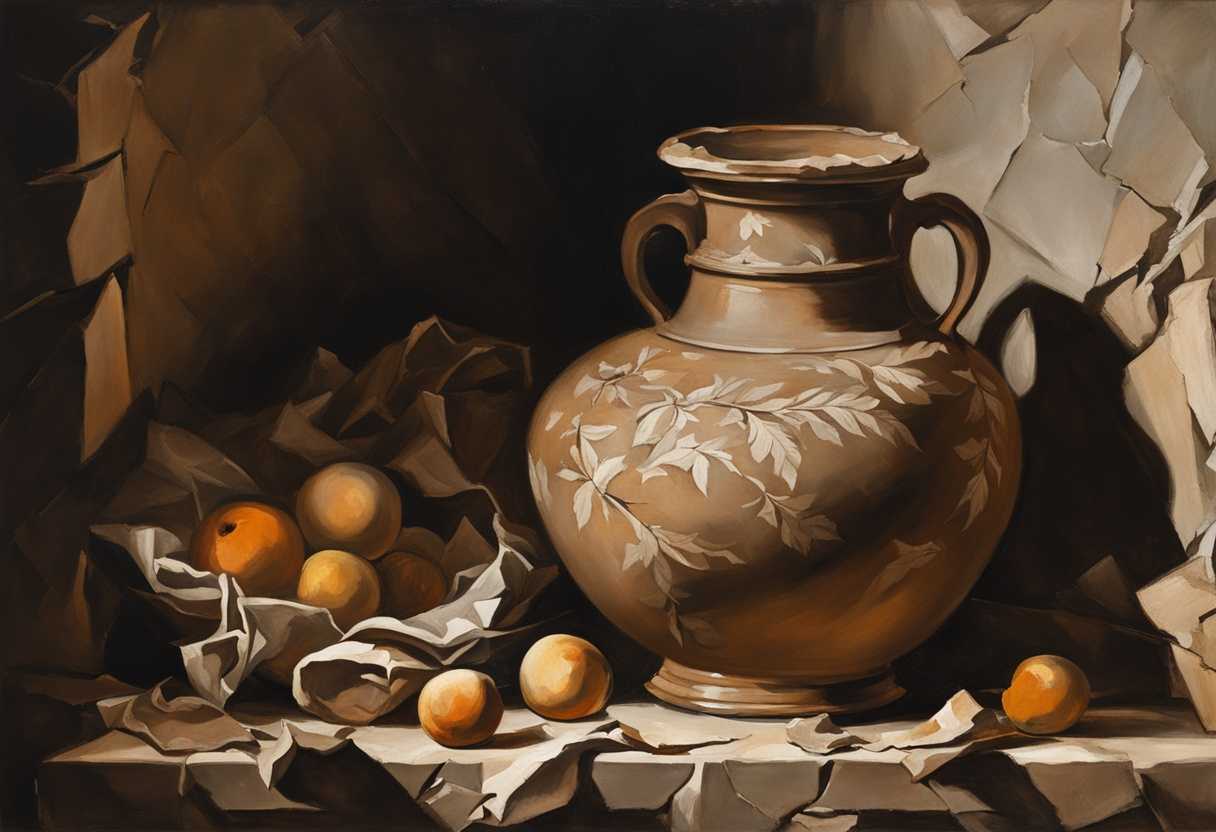
The True Meaning of Jeremiah 19
The book of Jeremiah was written by the prophet Jeremiah, a man called by God to speak His words to the people of Judah during a tumultuous time in their history. Jeremiah’s messages often warned of the impending judgment that would come upon the nation if they did not repent and turn back to the Lord. Jeremiah delivers a powerful message from God in this chapter, foretelling the destruction that will befall Jerusalem and its people. The imagery he uses is stark and unsettling, foreshadowing the horrors that are to come. We see Jeremiah’s deep sorrow and anguish over the fate of his beloved homeland, even as he faithfully proclaims the word of the Lord. We will witness the unfolding of God’s judgment as we delve into this passage, which is rooted in the persistent disobedience and idolatry of the people (Jeremiah 2:13, 17:1-4). Yet, even in the midst of this darkness, we catch glimpses of God’s mercy and the promise of restoration, should the people heed Jeremiah’s call to repentance (Jeremiah 3:12-14, 31:31-34).
Jeremiah 19:1-3
The Lord instructs Jeremiah to go and buy a clay jar from a potter in Jeremiah 19:1-3. This action may seem simple on the surface but carries profound symbolism. The clay jar represents the nation of Israel, which is in the hands of the Divine Potter, the Lord Himself. Just as a potter has full control over the clay to shape it as he desires, the Lord has full sovereignty over His chosen people to mold and guide them according to His will. This imagery emphasizes God’s reign over Israel and His authority in determining their fate.
Furthermore, the act of purchasing the jar from the potter signifies a transaction, highlighting the value and ownership placed on Israel by God. Despite Israel’s disobedience and impending judgment, they are still cherished possessions of the Lord, worth enough for Him to acquire and work on. This reflects the enduring love and commitment of God towards His people, even in times of discipline and correction.
This passage serves as a reminder of God’s intimate involvement in the affairs of His people and His authority as the ultimate Creator and Ruler. It underscores the importance of submission to God’s will and sovereignty in our lives, acknowledging Him as the one who shapes and directs our paths. This theme of divine sovereignty and authority is echoed throughout the Bible, such as in Isaiah 64:8, where God is likened to a potter and His people to the work of His hands, emphasizing His right to mold and form them according to His purpose.
Jeremiah 19:4-6
God instructs the prophet Jeremiah to go to the Valley of Ben Hinnom, a place associated with idolatry and pagan practices, in Jeremiah 19:4-6. Here, Jeremiah is commanded to deliver a dire message of judgment against the people of Judah and Jerusalem. He is instructed to take a clay jar and gather the elders and priests of the city to proclaim the word of the Lord. This symbolic act of smashing the jar in front of the leaders was to serve as a visual representation of the destruction that awaited Jerusalem because of their disobedience and idolatry.
This passage illustrates the severity of God’s judgment against sin and rebellion. People in biblical times commonly used clay jars to store and preserve valuable items. God was showing that Jerusalem, like the shattered jar, would be broken beyond repair due to their persistent disobedience by using a clay jar in this context. The imagery of destruction through the smashing of the jar was a powerful visual aid to emphasize the consequences of turning away from God.
The Valley of Ben Hinnom, also known as Gehenna, held a significant historical and spiritual meaning for the people of Judah. It was a place where idolatrous practices, including child sacrifices to the false god Molech, took place. This valley later became associated with the idea of a place of punishment and destruction in Jewish thought. Jesus also referred to Gehenna as a symbol of the final judgment in the New Testament (Matthew 10:28), highlighting the eternal consequences of sin and disobedience.
The use of symbolic actions in the proclamation of God’s message was not uncommon in the prophetic tradition. Through these visual demonstrations, prophets like Jeremiah communicated God’s warnings in a vivid and memorable way. The breaking of the clay jar in Jeremiah 19 served as a dramatic reminder of the impending judgment that would befall Jerusalem if they did not repent and turn back to God. Jeremiah 19:4-6 conveys a timeless message about the seriousness of sin, the consequences of idolatry, and the necessity of heeding God’s warnings. It serves as a sobering reminder that disobedience to God’s commands leads to destruction, but repentance and obedience can lead to restoration and mercy (2 Chronicles 7:14).
Jeremiah 19:7-9
The Lord presents a powerful message through the prophet Jeremiah in Jeremiah 19:7-9. The passage begins with the Lord declaring that He will frustrate the plans of Judah and Jerusalem. This pronouncement is a result of the people’s disobedience and their turning away from God to worship other gods. The disobedience of the people had brought about the wrath of God, and He was determined to bring judgment upon them for their sins.
The Lord goes on to describe the consequences of their actions in a vivid and disturbing way. He speaks of the city of Jerusalem becoming a desolation and a curse, so much so that anyone who passes by will be horrified and will hiss at the calamities that have befallen the city. This imagery is a stark reminder of the severity of God’s judgment and the consequences of forsaking Him.
The mention of Topheth in this passage is significant. Topheth was a place in the Valley of Hinnom where child sacrifices were offered to the pagan god Molech. This practice was an abomination to the Lord, and it was one of the reasons for His anger towards the people of Judah. The Lord is referencing Topheth to draw attention to the sinful practices that had become commonplace among the people and to highlight the depths of their rebellion against Him.
The message in these verses serves as a warning to all people about the consequences of disobedience and turning away from God. Throughout the Bible, we see the theme of obedience and consequences repeated time and time again. God outlines the blessings that come with obedience and the curses that come with disobedience in Deuteronomy 28. This passage in Jeremiah serves as a real-life example of the fulfillment of these promises. The message of Jeremiah 19:7-9 ultimately calls for repentance and reminds us of the importance of staying true to the Lord and His commandments. It is a sobering reminder of the consequences of sin and the importance of seeking forgiveness and turning back to God. Just as the people of Judah faced judgment for their actions, we are also called to examine our own lives and ensure that we are living in accordance with God’s will.
Jeremiah 19:10-13
Break the flask in the sight of the men who go with you, and say to them, ‘Thus says the Lord of hosts: So will I break this people and this city, as one breaks a potter’s vessel, so that it can never be mended. Men shall bury in Topheth because there will be no place else to bury. Thus I will do to this place, declares the Lord, and to its inhabitants, making this city like Topheth. The houses of Jerusalem and the houses of the kings of Judah—all the houses on whose roofs offerings have been offered to all the host of heaven, and drink offerings have been poured out to other gods—shall be defiled like the place of Topheth. God’s judgment upon the people of Israel, particularly those in Jerusalem, is vividly and powerfully illustrated in this section. The breaking of the flask symbolizes the destruction that is about to come upon the nation. This act was a visual representation of how God was going to shatter and ruin the people and the city, just as a potter’s vessel is shattered beyond repair. This imagery emphasizes the severity of God’s judgment and serves as a warning to the disobedient and idolatrous people.
The mention of Topheth is significant in this passage. Topheth was a place in the Valley of Hinnom where children were sacrificed to the pagan god Moloch. Jeremiah is drawing a parallel between the wicked practices of the people and the impending destruction that will come upon them by referencing Topheth. The judgment declared by the Lord symbolizes a reversal of fortunes where the honored places such as the houses of the kings, which were used for idolatrous practices, will be defiled and brought to ruin.
This passage serves as a sobering reminder of the consequences of idolatry and disobedience to God. The Lord’s judgment is depicted as a thorough and irreversible punishment, emphasizing the seriousness of turning away from God and following after false gods. It also underscores the importance of repentance and obedience to God’s commands to avoid facing His righteous wrath. God’s judgment is pronounced upon those who persist in sin and rebellion throughout the Old Testament, echoing themes found in this passage in the broader context of the Bible. It aligns with the prophecy of destruction and exile that Jeremiah was called to proclaim to the people of Judah if they did not repent. It also points to the ultimate need for a Savior, as repeated cycles of disobedience and judgment highlight humanity’s need for redemption and restoration through Christ. Jeremiah 19:10-13 emphasizes the seriousness of sin and the certainty of God’s judgment, while also highlighting the opportunity for repentance and restoration through turning back to God in obedience and faith.
Jeremiah 19:14-15
Jeremiah carries out a specific directive from God concerning the city of Jerusalem in Jeremiah 19:14-15. The verse states, “Then Jeremiah returned from Topheth, where the Lord had sent him to prophesy; and he stood in the court of the Lord’s house and said to all the people, ‘This is what the Lord Almighty, the God of Israel, says: I will bring on this city and all the villages around it every disaster I pronounced against them, because they were stiff-necked and would not listen to my words.’”
Firstly, we see the Prophet Jeremiah obediently following God’s command to prophesy at Topheth, a place where pagan sacrifices were performed, symbolizing the idolatry and spiritual decay of the people of Jerusalem. Jeremiah’s willingness to go to such places and deliver God’s messages, even when unpopular or uncomfortable, serves as a testament to his strong faith and commitment to his calling as a prophet.
The mention of the court of the Lord’s house indicates that Jeremiah’s message was delivered in a prominent and public place, ensuring that it would reach the ears of many people. Jeremiah serves as a vessel of divine judgment by declaring that disaster will befall Jerusalem and its surrounding villages due to their rebellion against God, warning the people of the consequences of their actions.
This passage underscores the themes of disobedience, consequences, and the enduring faithfulness of God. Despite God’s repeated warnings and calls to repentance through His prophets like Jeremiah, the people persisted in their sinful ways, leading to the impending judgment. It highlights the importance of listening to God’s word, obeying His commands, and heeding His warnings to avoid judgment and destruction.
The concept of being “stiff-necked” as mentioned in this verse refers to the stubbornness and unyielding nature of the people in refusing to turn back to God. This notion of obstinate pride and defiance against God’s authority is a recurring theme throughout the Bible, seen in the Israelites’ actions in the Old Testament and even in the rejection of Jesus by some during His time on earth. It serves as a cautionary tale for believers to remain humble, receptive to God’s guidance, and quick to repent when they stray from His will. Jeremiah 19:14-15 serves as a sobering reminder of the consequences of disobedience and the importance of heeding God’s warnings. It prompts readers to reflect on their own lives, ensuring they are not falling into the trap of spiritual complacency or rebellion. It also showcases God’s justice and mercy, offering opportunities for repentance and redemption even in the face of impending judgment.
After Jeremiah 19
The Lord had spoken to Jeremiah, commanding him to go to the potter’s house. There, Jeremiah witnessed the potter shaping the clay, and the Lord revealed the meaning of this vision. The people of Judah had turned away from the Lord, and they would face the consequences of their actions. Jeremiah knew that the message he carried was a heavy one as he left the potter’s house. The people needed to hear the truth, even if it was difficult to accept. Jeremiah steeled himself, for he knew that the road ahead would not be an easy one. But he also knew that the Lord was with him, and that he must faithfully deliver the message, no matter the cost.

Reverend Michael Johnson is an experienced Church Minister with a profound expertise in spirituality and guidance. With a serene presence and a compassionate heart, he has faithfully served his congregation for over 20 years, leading them on a spiritual journey towards inner peace and enlightenment. Reverend Johnson’s extensive knowledge of religious philosophies and profound understanding of human nature have made him a trusted confidant and mentor to many, as he seamlessly weaves his profound wisdom into life teachings. Reverend Johnson’s calming demeanor and empathetic nature continue to uplift and heal souls, nurturing a sense of unity and tranquility within his community.