
Jeremiah 21:13 is about how the inhabitants of Jerusalem will face the consequences of their actions, as the city will be burnt down due to their unrighteousness and disobedience to God.
13 Behold, I am against you, O inhabitant of the valley, O rock of the plain, declares the Lord; you who say, ‘Who shall come down against us, or who shall enter our habitations?’
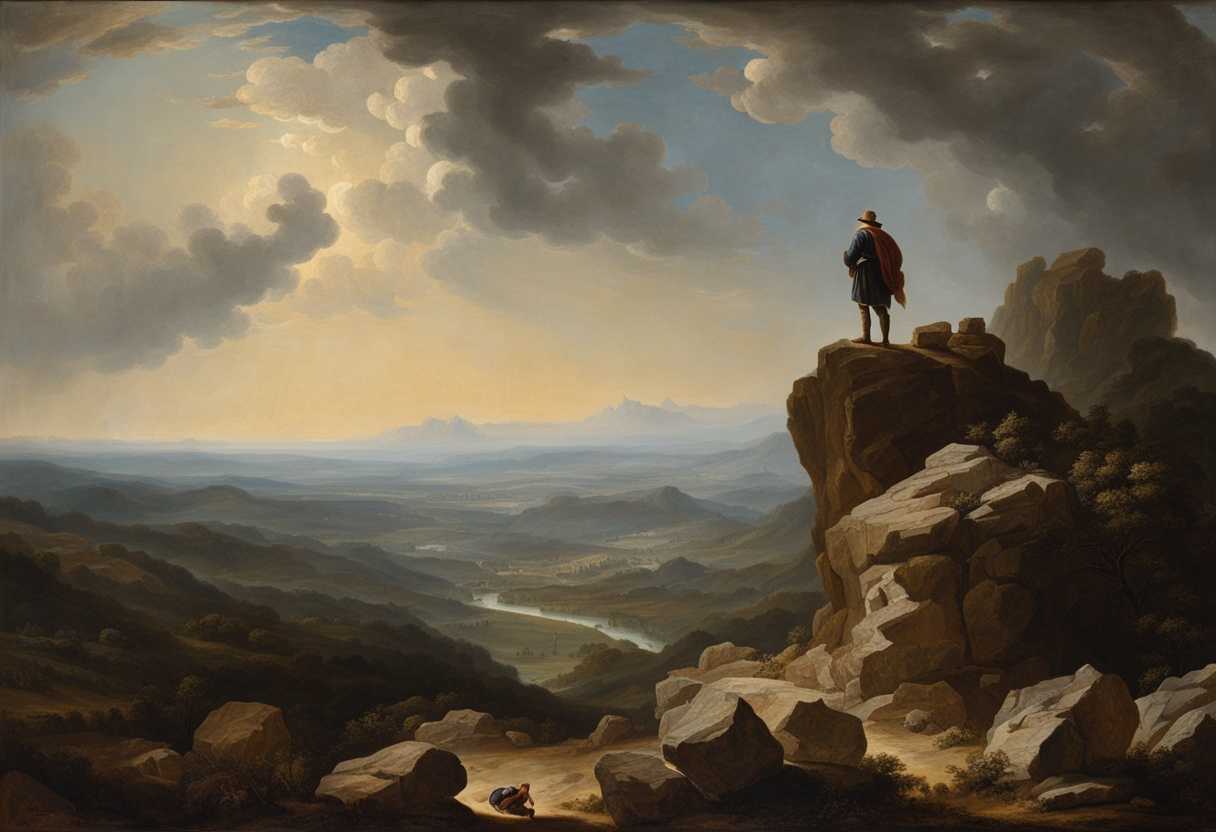
Setting the Scene for Jeremiah 21:13
In Jeremiah chapter 21, the prophet Jeremiah finds himself in the midst of a tumultuous scene in the city of Jerusalem. The city is besieged by the Babylonian army, and the people are facing the consequences of their disobedience to God. King Zedekiah, the ruler of Judah at the time, is seeking guidance from Jeremiah as the situation grows increasingly dire.
Surrounded by his advisors and officials, King Zedekiah summons Jeremiah to the royal palace to inquire about the outcome of the siege. The atmosphere is tense, with fear and uncertainty palpable in the air. Jeremiah, known for his unwavering commitment to delivering God’s messages, stands before the king and delivers a sobering prophecy of the impending destruction of Jerusalem at the hands of the Babylonians.
The scene is set in a grand hall within the palace, adorned with opulent decorations that now seem out of place amidst the looming threat of invasion. The flickering torches cast eerie shadows on the faces of those present, highlighting the gravity of the situation. Jeremiah’s words hang heavy in the air, serving as a stark reminder of the consequences of turning away from God’s commands.
What is Jeremiah 21:13 about?
This verse is a powerful declaration from the Lord directed towards a specific group of people, the inhabitants of the valley and the rock of the plain. The use of the phrase “I am against you” signifies a stance of opposition and judgment by God towards those individuals. It suggests that their actions or beliefs are not aligned with His will or are contrary to what is righteous and just. God is warning them of the consequences of their actions and calling them to account for their behavior by declaring His opposition. The imagery of the valley and the rock of the plain adds depth to the message. Valleys can symbolize low points or times of struggle, while rocks may represent stability and foundation. This could suggest that these people are being called out regardless of their circumstances or position. The Lord’s declaration is a reminder that His judgment is impartial and all-encompassing, reaching even those who may seem secure or grounded. Reflecting on this verse prompts us to consider our own actions and beliefs, ensuring that they align with God’s will to avoid facing His opposition and judgment.
Understanding what Jeremiah 21:13 really means
Jeremiah 21:13 is a poignant verse within the larger narrative of Jeremiah’s prophetic message to the people of Judah and Jerusalem. It serves as a direct communication from God, emphasizing His opposition to Jerusalem due to their sins and disobedience. The phrase “I am against you, Jerusalem” starkly portrays the consequences of turning away from God’s commandments, highlighting the impending judgment on the city. This message challenges the arrogance and false sense of security prevalent among the inhabitants of Jerusalem, revealing their misplaced confidence in physical and military strength rather than in God.
The imagery of Jerusalem being described as “You who live above this valley on the rocky plateau” symbolizes the city’s perceived invincibility and strategic advantage. It reflects the inhabitants’ belief in their impregnability, leading them to ask, “Who can come against us? Who can enter our refuge?” This rhetorical question exposes their arrogance and false security, showcasing their disregard for the spiritual and moral decay within their society. The verse serves as a cautionary tale, warning against the dangers of pride and self-reliance, urging individuals to reevaluate where they place their trust.
Drawing parallels from related biblical passages such as Proverbs 16:18, Isaiah 2:11-12, and Matthew 23:12, the theme of pride leading to downfall resonates throughout scripture. These passages reinforce the timeless message of humility being valued by God, contrasting with the prideful attitude depicted in Jeremiah 21:13. Today, the verse remains relevant as a reminder that true security stems from a right relationship with God, transcending material wealth, technological advancements, or military prowess. It prompts introspection on our reliance on worldly strengths and challenges us to prioritize spiritual and moral foundations.
An illustrative anecdote of a prosperous individual who experienced a downfall due to misplaced trust in material success echoes the lesson of Jeremiah 21:13. Despite external achievements, neglecting spiritual well-being can lead to a humbling experience that redirects focus towards faith and relationships. This narrative underscores the importance of acknowledging God’s sovereignty and seeking humility in all aspects of life. In conclusion, Jeremiah 21:13 serves as a powerful reminder of the perils of pride and the security found in humility and dependence on God. Embracing these principles aligns us with His will, leading to genuine peace and security beyond worldly measures.
How can we seek God’s righteousness with our hearts?
To seek God’s righteousness with our hearts means to earnestly desire to live in accordance with His will and His commandments. It involves a deep commitment to following God’s ways and aligning our thoughts, actions, and desires with His standards of righteousness. Seeking God’s righteousness with our hearts requires a genuine and sincere effort to prioritize God’s ways above our own desires and the temptations of the world.
This pursuit involves a wholehearted devotion to God, seeking Him first in all things and allowing His righteousness to guide our decisions and behaviors. It requires a constant turning to God in prayer, seeking His guidance and wisdom, and a willingness to submit ourselves to His leading. We acknowledge our dependency on God and our desire to walk in His ways by seeking His righteousness with our hearts, trusting in His goodness and faithfulness to lead us on the path of righteousness.
Application
Embrace righteousness and justice as your compass at work and with your family. Let your actions speak louder than words, showing fairness and compassion. Be a beacon of light in a world that sorely needs it. Will you heed the call and be the change you wish to see?

Reverend Michael Johnson is an experienced Church Minister with a profound expertise in spirituality and guidance. With a serene presence and a compassionate heart, he has faithfully served his congregation for over 20 years, leading them on a spiritual journey towards inner peace and enlightenment. Reverend Johnson’s extensive knowledge of religious philosophies and profound understanding of human nature have made him a trusted confidant and mentor to many, as he seamlessly weaves his profound wisdom into life teachings. Reverend Johnson’s calming demeanor and empathetic nature continue to uplift and heal souls, nurturing a sense of unity and tranquility within his community.