
1 In the seventh month, Ishmael the son of Nethaniah, son of Elishama, of the royal family, one of the chief officers of the king, came with ten men to Gedaliah the son of Ahikam, at Mizpah. As they ate bread together there at Mizpah,
2 Ishmael the son of Nethaniah and the ten men with him rose up and struck down Gedaliah the son of Ahikam, son of Shaphan, with the sword, and killed him, whom the king of Babylon had appointed governor over the land.
3 Ishmael also struck down all the Judeans who were with him, that is, with Gedaliah, at Mizpah, and the Chaldean soldiers who happened to be there.
4 On the day after the murder of Gedaliah, before anyone knew about it,
5 There came eighty men from Shechem and Shiloh and Samaria, with their beards shaved and their clothes torn, and their bodies gashed, bringing grain offerings and incense to present at the temple of the Lord.
6 And Ishmael the son of Nethaniah went out from Mizpah to meet them, weeping as he went. As he met them, he said to them, “Come in to Gedaliah the son of Ahikam.”
7 As soon as he had finished speaking all these words, the ground under them split apart.
8 But there were ten men among them who said to Ishmael, “Do not put us to death, for we have stores of wheat, barley, oil, and honey hidden in the fields.” So he refrained and did not put them to death with their companions.
9 Now the cistern into which Ishmael had thrown all the bodies of the men whom he had struck down along with Gedaliah was the large cistern that King Asa had made for defense against Baasha king of Israel; Ishmael the son of Nethaniah filled it with the slain.
10 Then Ishmael took captive all the rest of the people who were in Mizpah, the king’s daughters and all the people who were left at Mizpah, whom Nebuzaradan, the captain of the guard, had committed to Gedaliah the son of Ahikam. Ishmael the son of Nethaniah took them captive and set out to cross over to the Ammonites.
11 But when Johanan the son of Kareah and all the leaders of the forces with him heard of all the evil that Ishmael the son of Nethaniah had done,
12 they took all their men and went to fight against Ishmael the son of Nethaniah.
13 Now when all the people who were with Ishmael saw Johanan the son of Kareah and all the leaders of the forces with him, they rejoiced.
14 and all the people whom Ishmael had taken captive escaped from Johanan and went to the land of the Ammonites.
15 But Ishmael the son of Nethaniah escaped from Johanan with eight men, and went to the Ammonites.
16 Then Johanan the son of Kareah and all the leaders of the forces with him took all the rest of the people whom Ishmael the son of Nethaniah had carried away captive from Mizpah after he had slain Gedaliah the son of Ahikam, soldiers, women, children, and eunuchs, whom Johanan brought back from Gibeon.
17 And they went and stayed at Geruth Chimham near Bethlehem, intending to go to Egypt
18 because of the Chaldeans. For they were afraid of them, because Ishmael the son of Nethaniah had struck down Gedaliah the son of Ahikam, whom the king of Babylon had made governor over the land.
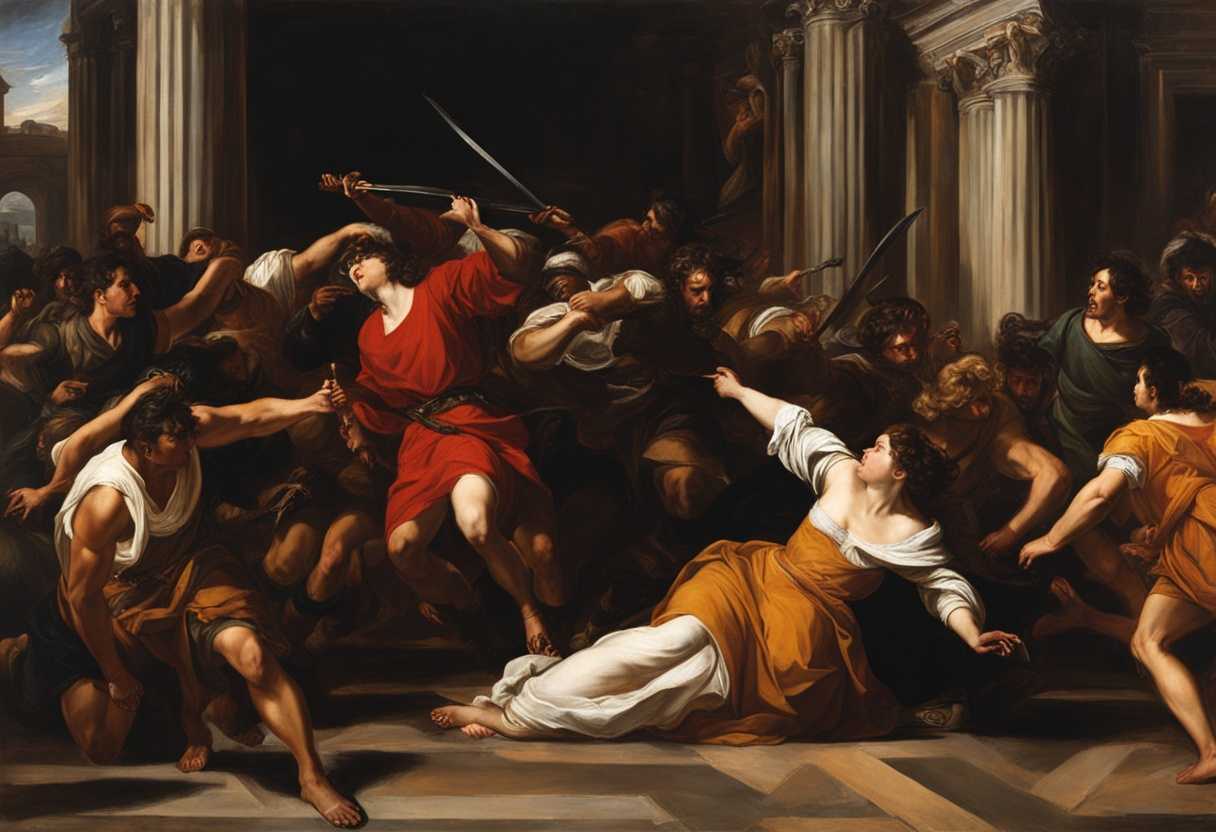
The True Meaning of Jeremiah 41
The book of Jeremiah was written by the prophet Jeremiah, a man chosen by God to deliver His message to the people of Judah during a tumultuous time in their history. We witness the aftermath of the assassination of Gedaliah, the governor appointed by the Babylonians to oversee the remnant of Judah after the destruction of Jerusalem in this chapter.
The events described in this chapter highlight the fragile and chaotic state of the people of Judah following the fall of their kingdom. We see the consequences of violence and the struggle to maintain order and stability in the face of political upheaval. This chapter also foreshadows the difficult decisions the people will have to make regarding their future, as they grapple with the question of whether to remain in the land or seek refuge elsewhere.
The actions of the characters in this chapter echo the warnings and prophecies found throughout the book of Jeremiah, where the prophet repeatedly called the people to repentance and obedience to God. The unfolding events serve as a stark reminder of the importance of heeding God’s voice and the consequences of turning away from Him.
Jeremiah 41:1-3
The verses in Jeremiah 41:1-3 narrate the tragic account of the assassination of Gedaliah, who the Babylonians appointed as governor over Judah after the destruction of Jerusalem. Ishmael, a member of the royal family of Judah, conspired with other men to murder Gedaliah during a meal. This act was not only a betrayal of Gedaliah’s trust but also a violation of the peace treaty that the remnant of Judah had with the Babylonians. The consequences of this assassination were severe, leading to a fearful and tumultuous time for the people left in Judah.
The betrayal and treachery displayed in these verses highlight the devastating effects of human greed and selfishness. Despite the fragile peace that Gedaliah was fostering among the remaining people in Judah, Ishmael’s actions demonstrate the destructive nature of jealousy and a desire for power. This event serves as a cautionary tale about the consequences of allowing negative emotions to drive our actions and the importance of upholding trust and loyalty in our relationships.
The assassination of Gedaliah also serves as a reminder of the consequences of disobedience to God’s appointed leaders and the breakdown of unity among His people. Gedaliah was trying to lead the people in a time of great hardship, and his death left a void in leadership that further exacerbated the challenges faced by the remaining inhabitants of Judah. This incident echoes the broader theme in the Bible of the need for obedience to God-appointed authorities and the importance of unity among believers to fulfill God’s purposes.
Throughout the Bible, there are numerous instances where betrayal and violence lead to tragic outcomes. From the betrayal of Joseph by his brothers in Genesis to the betrayal of Jesus by Judas in the New Testament, these stories serve as warnings about the destructive power of human sinfulness and the importance of forgiveness and redemption. Jealousy and treachery led to Gedaliah’s assassination, serving as a stark example of their far-reaching consequences for both the individual targeted and the community as a whole. This narrative reinforces the biblical message of the importance of righteousness, faithfulness, and trust in God’s plan, even in the face of adversity.
Jeremiah 41:4-7
A narrative of a tragic event took place after the assassination of Gedaliah, who had been appointed as governor of Judah by the Babylonians, in Jeremiah 41:4-7. Following Gedaliah’s murder, chaos ensued as Ishmael, a member of the royal family and a rival claimant to the governorship, launched an attack on Mizpah where Gedaliah had been governing. Ishmael’s treacherous actions resulted in the deaths of many people, including those he had deceived into believing he came in peace.
This section of the verse serves as a stark reminder of the consequences of political intrigue, betrayal, and the devastating impact of violence. Ishmael’s actions showcase the destructive nature of jealousy, ambition, and the lengths to which people may go to achieve their own selfish desires, even at the cost of innocent lives. It sheds light on the brokenness of humanity and the propensity for evil that exists within individuals when they allow their hearts to be consumed by envy and power.
The tragic events that transpired in Jeremiah 41:4-7 also bring to mind a recurring theme in the Bible – the consequences of sin and disobedience. Throughout the Bible, we see numerous accounts of individuals who let their sinful nature lead them astray, resulting in catastrophic outcomes. Ishmael’s betrayal and violent actions serve as a cautionary tale about the importance of obedience to God’s commands and the dangers of succumbing to temptations that may lead us away from His will. We are reminded of the importance of seeking God’s guidance, trusting in His sovereignty, and living a life that is aligned with His purposes when examining this passage. The story of Ishmael serves as a poignant example of how unchecked sin and rebellion against God can lead to destruction, not only for the individual involved but also for those around them. It underscores the need for us to be vigilant in guarding our hearts against the temptations of this world and to constantly seek forgiveness and redemption through Christ. Verses such as Proverbs 3:5-6 remind us to trust in the Lord with all our hearts and lean not on our understanding. God will direct our paths and lead us away from the pitfalls of sin and disobedience by acknowledging Him in all our ways. Jeremiah 41:4-7 serves as a sobering reminder of the consequences of forsaking God’s ways and the importance of seeking His will above all else.
Jeremiah 41:8-10
A tragic event unfolds in Jeremiah 41:8-10 after the assassination of Gedaliah, the governor appointed by the Babylonians to oversee the remnant of people left in Judah after the fall of Jerusalem. Ishmael, a member of the royal family of Judah, who was likely displeased by Gedaliah’s collaborative stance with the Babylonians, decided to take matters into his own hands. Ishmael, along with ten men, deceivingly invited Gedaliah and his supporters to a meal under false pretenses of peace, and then viciously attacked and killed Gedaliah.
This passage serves as a stark reminder of the consequences of betrayal, deceit, and the tragic results of seeking power through malevolent means. Ishmael’s actions not only resulted in the death of Gedaliah but also led to the murder of many innocent individuals who were at the meal. The brutality and treachery displayed by Ishmael showcase the depths to which human sinfulness can lead when individuals allow jealousy and ambition to override morality and righteousness.
The story of Gedaliah and Ishmael also highlights the theme of trust in God’s providence and the consequences of straying from His plan. Gedaliah’s appointment as governor was part of God’s mercy towards the remnant of Judah, offering them a chance to live in peace under Babylonian rule. However, Ishmael’s actions disrupted this plan and ultimately led to further suffering for the already beleaguered people of Judah. This serves as a cautionary tale for individuals who choose to act in defiance of God’s will and disregard the consequences of their actions. We can draw parallels between Ishmael’s betrayal of Gedaliah and Judas Iscariot’s betrayal of Jesus in the broader context of the Bible. Both acts of treachery resulted in tragic consequences, but ultimately, God’s plan prevailed. Through these stories, we are reminded of the importance of faith, obedience, and the ultimate sovereignty of God over the affairs of humankind. Despite the presence of evil and betrayal in the world, we can take comfort in the knowledge that God’s purposes will ultimately be fulfilled, even in the midst of chaos and suffering.
Jeremiah 41:11-15
Ishmael and his men carried out a brutal attack at Mizpah, leading to a significant and tragic event unfolding in Jeremiah 41:11-15. This section of the verse highlights the aftermath of the violence that resulted in the death of Gedaliah, who had been appointed as governor by the Babylonians to rule over the remnant of Judah. Gedaliah’s assassination by Ishmael had devastating consequences for the people left in Judah, as it created further instability and fear in an already turbulent time.
Gedaliah was perceived by many as a wise and just leader who sought to bring some sense of order and normalcy to the war-torn land after the destruction of Jerusalem by the Babylonians. His assassination not only symbolized the loss of a promising leader but also led to a sense of hopelessness and despair among the already traumatized people.
This tragic event in Jeremiah 41 serves as a stark reminder of the consequences of rebellion, violence, and betrayal. The assassination of Gedaliah is a demonstration of how one act of violence can have far-reaching repercussions and disrupt the lives of many. It speaks to the destructive power of human actions when driven by greed, anger, and a thirst for power.
Furthermore, this passage emphasizes the importance of leadership and the impact it can have on a community. Gedaliah’s death left a leadership vacuum and plunged the people further into chaos, illustrating the fragility of stability in times of crisis. It underscores the need for righteous and just leadership, as depicted in the Bible through various leaders such as King David, who led with integrity and sought the guidance of God in their governance. The story of Gedaliah’s assassination in Jeremiah 41 can be seen as part of the recurring theme of the consequences of sin and disobedience in the broader context of the Bible. Throughout the Old Testament, we witness how the actions of individuals and nations have lasting effects not only on themselves but on future generations as well. This aligns with the biblical principle of reaping what you sow, as emphasized in Galatians 6:7, “Do not be deceived: God cannot be mocked. A man reaps what he sows. Jeremiah 41:11-15 serves as a poignant reminder of the fragility of peace, the importance of righteous leadership, and the enduring impact of human actions. It prompts reflection on the choices we make and the ripple effects they may have on those around us, emphasizing the need for wisdom, humility, and a reliance on God’s guidance in all aspects of life.
Jeremiah 41:16-18
Several important sections to be analyzed in this passage are found in Jeremiah 41:16-18. “Then Johanan son of Kareah and all the army officers who were with him led away all the people of Mizpah who had survived, whom Johanan had recovered from Ishmael son of Nethaniah after Ishmael had assassinated Gedaliah son of Ahikam…” – This part of the passage highlights the aftermath of the assassination of Gedaliah, who was appointed as governor of Judah by the Babylonians after the fall of Jerusalem. Despite surviving the initial attack by Ishmael, the people were led away by Johanan and his army officers. This showcases the chaos and instability that prevailed in Judah at the time, with different factions vying for power and control. The betrayal and violence within their own community reflect the consequences of turning away from God’s guidance and living in disobedience.
-
“They set out for Egypt, because they were afraid of the Babylonians; but carried off by Ishmael son of Nethaniah they fell into the hands of the Babylonians and were put to the sword.” – This section reveals the tragic fate of the people of Mizpah who, out of fear of the Babylonians, chose to flee to Egypt for safety. However, Ishmael’s deceit led them into the hands of their enemies, resulting in their demise. This serves as a cautionary tale about the dangers of making decisions based on fear rather than trust in God. The people’s actions demonstrate how human nature can sometimes lead us astray and into perilous situations when we fail to rely on God’s protection and provision.
-
“Now Johanan son of Kareah and all the army officers who were with him took charge of all the survivors from Ishmael son of Nethaniah after he had assassinated Gedaliah son of Ahikam: the soldiers, women, children, and court officials he had recovered from Gibeon… Johanan and his men assume responsibility for the survivors rescued from Ishmael’s treachery in this final section. They took charge of the soldiers, women, children, and court officials, demonstrating leadership and a sense of duty towards their fellow countrymen. This act of compassion and protection amidst the chaos and destruction signifies the importance of unity and caring for one another in times of crisis. It also emphasizes the importance of leaders who act with integrity and courage in upholding righteousness and justice, even in the face of adversity. Jeremiah 41:16-18 underscores themes of betrayal, fear, consequences of sin, and the importance of righteous leadership in times of turmoil. It serves as a stark reminder of the fragility of human nature and the necessity of placing our trust in God rather than succumbing to worldly fears and temptations. The passage showcases the intricate dynamics of power struggles and the heavy toll that sin and disobedience can exact on individuals and communities. It ultimately prompts us to reflect on the enduring message of seeking God’s guidance, acting in righteousness, and extending compassion and support to one another in challenging times.
After Jeremiah 41
The final paragraph of the summary of this chapter could be as follows:
Ishmael’s treachery had brought great sorrow and destruction upon the people. Yet, even in the midst of this darkness, a glimmer of hope remained. The survivors, led by Johanan, sought to flee to Egypt, determined to find safety and rebuild their lives. But as they journeyed, a new challenge awaited them, one that would test their faith and their resolve. The road ahead was uncertain, but with God’s guidance, they would need to navigate the path before them, for only then could they truly find the peace and restoration they so desperately sought.

Reverend Michael Johnson is an experienced Church Minister with a profound expertise in spirituality and guidance. With a serene presence and a compassionate heart, he has faithfully served his congregation for over 20 years, leading them on a spiritual journey towards inner peace and enlightenment. Reverend Johnson’s extensive knowledge of religious philosophies and profound understanding of human nature have made him a trusted confidant and mentor to many, as he seamlessly weaves his profound wisdom into life teachings. Reverend Johnson’s calming demeanor and empathetic nature continue to uplift and heal souls, nurturing a sense of unity and tranquility within his community.