
Jeremiah 44:7-10 is about God’s admonition to the people of Judah for turning away from Him to worship false gods, resulting in their disobedience and the consequent destruction of their land and exile.
7 “Therefore, now thus says the Lord, the God of hosts, the God of Israel: Why do you commit this great evil against yourselves, to cut off from you man and woman, infant and child, from the midst of Judah, leaving you no remnant?”
8 Why do you provoke me to anger with the works of your hands, making offerings to other gods in the land of Egypt where you have come to live, so that you may be cut off and become a curse and a taunt among all the nations of the earth?
9 Have you forgotten the evil of your fathers, the evil of the kings of Judah, the evil of their wives, your own evil, and the evil of your wives, which they committed in the land of Judah and in the streets of Jerusalem?
10 They are not humbled even to this day; they have not feared, they have not walked in my law or in my statutes that I set before you and before your fathers.
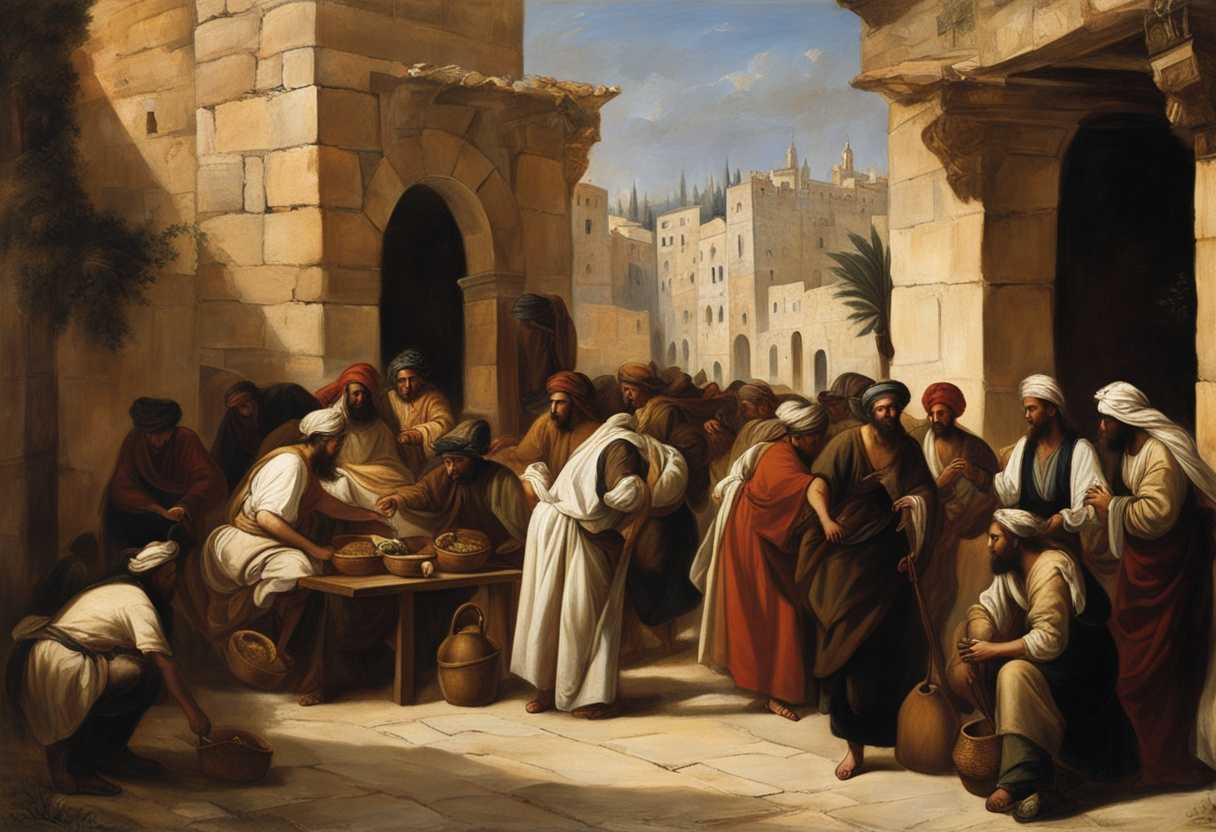
Setting the Scene for Jeremiah 44:7-10
The scene in Jeremiah 44:7-10 takes place in the land of Egypt, specifically in the city of Tahpanhes. The prophet Jeremiah is present, along with a group of Jewish refugees who had fled to Egypt after the Babylonian conquest of Jerusalem. These refugees had sought safety in Egypt, believing that they would be protected from the Babylonian forces. However, Jeremiah had been sent by God to warn them of the impending judgment that would come upon them even in Egypt due to their continued idolatry and disobedience.
The surroundings in Tahpanhes are likely bustling with activity, as it was a prominent city in Egypt at the time. The Jewish refugees would have been living among the Egyptian population, trying to make a new life for themselves in a foreign land. Jeremiah’s presence would have caused a stir among the people, as he delivered his message of warning and rebuke from the Lord. The tension in the air would have been palpable as the refugees grappled with the reality of their situation and the consequences of their actions.
As Jeremiah stood before the gathered crowd, his words would have echoed through the streets of Tahpanhes, challenging the people to repent and turn back to the one true God. The scene would have been a mix of fear, defiance, and uncertainty as the refugees wrestled with the message that Jeremiah brought them from the Lord. The outcome of this encounter would ultimately shape the fate of these Jewish refugees in Egypt, as they were forced to confront their sins and decide whether to heed the prophet’s warning or continue on their current path of destruction.
What is Jeremiah 44:7-10 about?
Let’s delve into Jeremiah 44:7-10 together. God is cautioning the people against the dangers of idol worship and disobedience in this passage. He emphasizes the consequences of turning away from Him and following false gods. It serves as a reminder of the importance of staying faithful to God and His commandments.
Through these verses, we see a powerful message about the significance of loyalty and obedience in our relationship with God. They challenge us to reflect on our own actions and choices—are we prioritizing God in our lives, or are we allowing other things to take His place? The warning about God’s judgment serves as a wake-up call for us to reevaluate our priorities and ensure that we are walking in alignment with His will. Let’s consider how we can guard ourselves against the pitfalls of idolatry and disobedience as we ponder on these verses. Let’s strive to cultivate a deep and unwavering connection with God, rooted in love and obedience. May we heed His warnings and choose to walk in His ways, knowing that His guidance leads to true fulfillment and blessings in our lives.
Understanding what Jeremiah 44:7-10 really means
Jeremiah 44:7-10 presents a poignant message from God through the prophet Jeremiah to the people of Judah who had sought refuge in Egypt. The passage serves as a stark warning about the consequences of disobedience and idolatry. The opening question, “Why do you bring such great disaster on yourselves?” cuts to the core of the issue, highlighting the self-destructive nature of their actions. It prompts reflection on the direct correlation between their choices and the resulting calamities they face.
The phrase “By cutting off from Judah man and woman, child and infant” underscores the severity of the impending judgment, emphasizing that no one will be spared from the consequences of their collective disobedience. It paints a grim picture of the all-encompassing nature of the impending disaster. The mention of “provoking me to anger with the works of your hands” draws attention to the idolatrous practices that have deeply offended God. It suggests a deliberate and persistent defiance that has fueled divine anger.
Moreover, the statement “You have not humbled yourselves even to this day” reveals a stubborn refusal to acknowledge wrongdoing and seek repentance. It speaks to a hardened heart and a lack of contrition before God. Drawing parallels with related passages such as Deuteronomy 30:19-20, Isaiah 1:18-20, and 2 Chronicles 7:14, the message of choosing life, reasoning with God, and seeking forgiveness remains consistent throughout Scripture. These passages collectively emphasize the importance of obedience, humility, and repentance in maintaining a right relationship with God.
The relevance of Jeremiah 44:7-10 extends beyond its historical context, resonating with contemporary audiences. It serves as a timeless reminder that our actions have consequences and that straying from God’s path leads to self-inflicted suffering. The anecdote illustrating a community ignoring warnings about destructive behavior mirrors the situation in Judah, underscoring the universal truth of the passage. Just as the community would benefit from heeding warnings and seeking help, we are called to turn away from destructive behaviors, seek God’s guidance, and embrace humility and repentance.
In conclusion, Jeremiah 44:7-10 stands as a powerful admonition to prioritize obedience to God, repent of wrongdoing, and cultivate a humble relationship with the Divine. By heeding this message, we can avert the self-inflicted suffering that accompanies disobedience and instead partake in God’s grace and blessings. Let us reflect on the lessons embedded in this passage, examining our lives, and committing to a path of obedience, humility, and repentance before our Creator.
Are we truly seeking God’s will or our own?
The message of the verse you provided is a reminder to always seek and follow God’s will rather than our own desires. The passage emphasizes the consequences of turning away from God’s instructions and following our own motivations. We risk facing negative outcomes and straying from the path that God has set for us by doing so.
Therefore, in our own lives, it is vital to consistently examine our intentions and actions to ensure that they are aligned with God’s will. We can easily be swayed by our own desires and emotions, leading us away from the righteous path that God has designed for us. Seeking God’s will involves humility, submission, and a willingness to surrender our own agendas in favor of what God desires for us. We can entrust our decisions and paths to God by acknowledging His wisdom and sovereignty, knowing that in doing so, we are following the true and righteous way forward.
Application
Just as in a busy office, where deadlines and distractions may pull you away from your goals, staying faithful to God’s word is crucial in this fast-paced world. Just like how you prioritize your family’s well-being above all else, remember to nurture your relationship with God. Take inspiration from these verses to refocus on what truly matters and spread positivity to those around you. Will you take this opportunity to realign your life with God’s teachings and embrace His grace wholeheartedly?

Reverend Michael Johnson is an experienced Church Minister with a profound expertise in spirituality and guidance. With a serene presence and a compassionate heart, he has faithfully served his congregation for over 20 years, leading them on a spiritual journey towards inner peace and enlightenment. Reverend Johnson’s extensive knowledge of religious philosophies and profound understanding of human nature have made him a trusted confidant and mentor to many, as he seamlessly weaves his profound wisdom into life teachings. Reverend Johnson’s calming demeanor and empathetic nature continue to uplift and heal souls, nurturing a sense of unity and tranquility within his community.