
John 11:24-25 is about the belief in the resurrection of the dead and the promise of eternal life through faith in Jesus Christ.
24 Martha said to him, “I know that he will rise again in the resurrection on the last day.”
25 Jesus said to her, “I am the resurrection and the life. Whoever believes in me, though he die, yet shall he live,
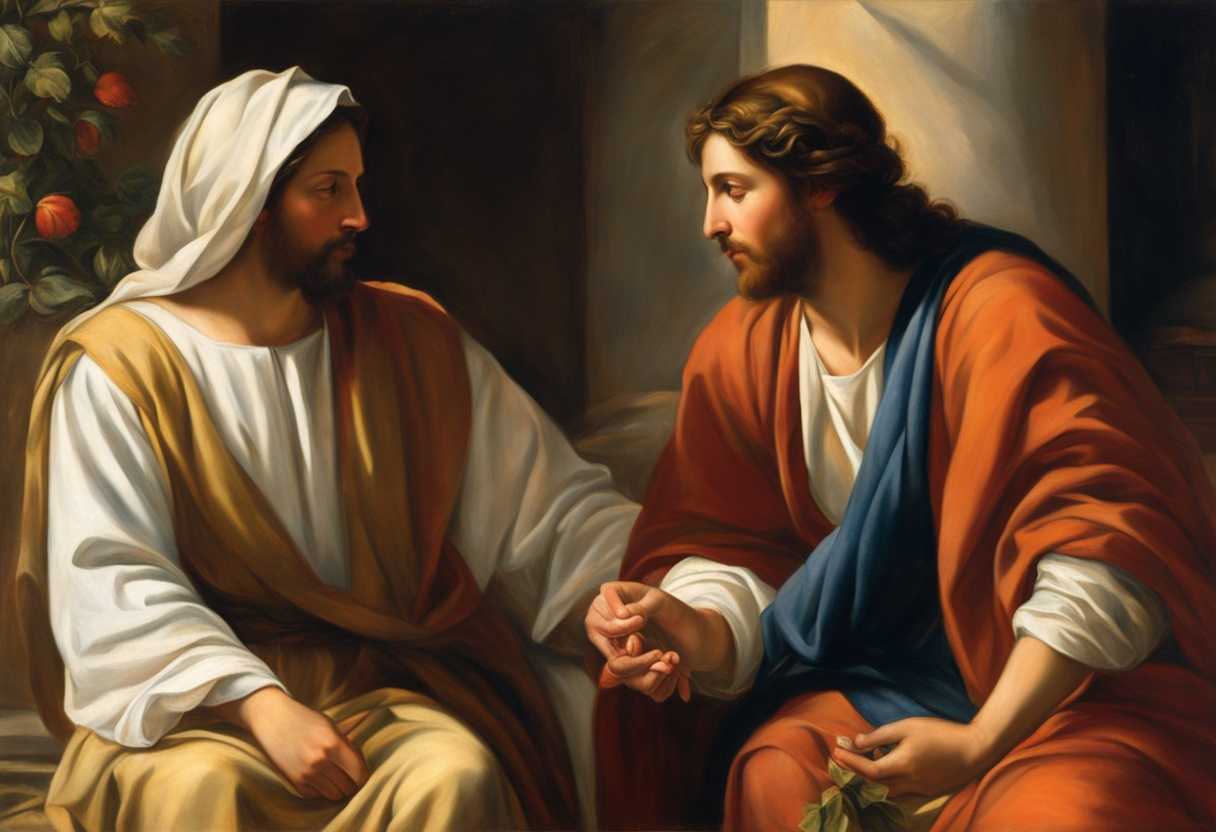
Setting the Scene for John 11:24-25
In John chapter 11, we find Jesus standing outside the tomb of his dear friend Lazarus, who had passed away four days earlier. The scene is filled with grief as Mary and Martha, Lazarus’ sisters, are weeping and mourning the loss of their brother. A crowd has gathered around the tomb, offering their condolences and support to the grieving sisters.
Jesus, deeply moved by the sorrow around him, asks to be taken to the tomb. As they approach the burial site, Jesus instructs the stone covering the entrance to be rolled away. The onlookers are filled with a mix of curiosity and skepticism, wondering what Jesus plans to do next. In a powerful display of his divine authority, Jesus calls out in a loud voice, “Lazarus, come out!” The tension in the air is palpable as everyone waits to see what will happen next.
Suddenly, to the amazement of all present, Lazarus emerges from the tomb, still wrapped in burial cloths. The crowd is overcome with awe and wonder at this miraculous event. Jesus’ words in John 11:24-25, “I am the resurrection and the life. The one who believes in me will live, even though they die,” take on a profound significance in this moment as the power of God’s love and grace is displayed in bringing Lazarus back to life.
What is John 11:24-25 about?
Jesus offers Martha comfort and hope in this powerful verse by proclaiming himself as the resurrection and the life. He is reassuring her that he has the power to conquer even death itself, and he is the source of eternal life. This statement not only reflects Jesus’ divine nature but also shows his compassion and ability to bring comfort to those who are grieving. It reminds us that no matter how dire or hopeless a situation may seem, Jesus has the power to bring new life and hope.
Imagine the immense comfort Martha must have felt in this moment, hearing these words from Jesus himself. It serves as a reminder to all of us that in times of darkness and despair, Jesus is our source of hope and light. It challenges us to reflect on our own beliefs about life, death, and resurrection. What does it mean for us to believe in Jesus as the resurrection and the life? How can we find comfort and hope in this truth as we navigate the challenges and difficulties of life? Reflecting on these questions can deepen our understanding of the significance of Jesus’ proclamation to Martha and its impact on our own lives.
Understanding what John 11:24-25 really means
In the poignant narrative of Lazarus’ resurrection, we find Martha, the grieving sister, engaging in a profound conversation with Jesus. These verses capture a pivotal moment where Jesus, on the brink of performing a miraculous act, asserts His divine authority over life and death. Martha’s statement, “I know that he will rise again in the resurrection at the last day,” sets the stage for Jesus’ profound declaration, “I am the resurrection and the life.” In these words, Jesus not only proclaims His power but also reveals His essence as the source of life and resurrection.
The phrase “He who believes in me will live, even though he dies” encapsulates the core message of eternal life through faith in Jesus. It transcends the physical realm, offering believers the promise of life beyond death. This assurance of life everlasting is a cornerstone of Christian faith, providing hope and comfort in the face of mortality. Jesus’ assertion of being “the way, the truth, and the life” in John 14:6 reinforces His role as the ultimate source of eternal life, guiding believers to the Father through Him.
Paul’s words in 1 Corinthians 15:20-22 further illuminate the connection between Christ’s resurrection and the hope of believers’ resurrection. Through Jesus, the firstfruits of those who have fallen asleep, believers are assured of their own resurrection. Revelation 21:4 paints a vivid picture of the fulfillment of Jesus’ promise, where death and suffering are eradicated, and eternal peace reigns. These passages collectively point to the overarching theme of victory over death through faith in Jesus.
In a world marked by loss and suffering, these verses resonate deeply, offering solace and assurance of a life beyond the transient nature of our earthly existence. They serve as a beacon of hope, reminding us that our faith in Jesus transcends the boundaries of time and space, anchoring us in the promise of eternal life. Just as Martha found comfort in Jesus’ words amidst her grief, individuals today can draw strength from the assurance of life beyond death through faith in Christ.
The story of Lazarus’ resurrection and Jesus’ profound declaration in John 11:24-25 stand as a testament to the transformative power of faith. They beckon us to place our trust in the One who conquered death, inviting us into a reality where life triumphs over the finality of death. These verses serve as a poignant reminder of Jesus’ identity as the resurrection and the life, offering a glimmer of hope in the face of life’s most profound mysteries.
What does it mean to believe in Jesus?
Believing in Jesus means having faith and trust in Him as the Son of God and the Savior of the world. It means acknowledging His power over death and believing in the promise of eternal life that He offers to those who follow Him. True belief in Jesus goes beyond mere intellectual assent; it involves a personal surrender to His lordship and a willingness to follow His teachings.
When we believe in Jesus, we are entrusting our lives to Him and accepting His offer of salvation through faith. This belief is transformative and affects every aspect of our lives, shaping our values, priorities, and relationships. It is a foundational aspect of Christian faith, leading to a deep relationship with Jesus and a desire to live in obedience to His will.
Believing in Jesus means recognizing Him as the way, the truth, and the life, and choosing to walk in His footsteps. It means finding hope, purpose, and fulfillment in Him and experiencing the peace that comes from being in a right relationship with God. Believing in Jesus ultimately shapes our present lives and eternal destiny as a personal decision and a journey of faith.
Application
Think of your life as a journey, battling daily tasks at work and cherishing moments with your family. In John 11:24-25, Jesus promises eternal life and resurrection, a beacon of hope in our struggles. This promise isn’t just a story—it’s a call to action. Let it inspire you to live each day with renewed faith and courage. Aren’t you ready to anchor your life in the certainty of the eternal hope Christ offers?

Reverend Michael Johnson is an experienced Church Minister with a profound expertise in spirituality and guidance. With a serene presence and a compassionate heart, he has faithfully served his congregation for over 20 years, leading them on a spiritual journey towards inner peace and enlightenment. Reverend Johnson’s extensive knowledge of religious philosophies and profound understanding of human nature have made him a trusted confidant and mentor to many, as he seamlessly weaves his profound wisdom into life teachings. Reverend Johnson’s calming demeanor and empathetic nature continue to uplift and heal souls, nurturing a sense of unity and tranquility within his community.