
John 12:20-33 is about Jesus predicting his impending death and teaching his disciples about the necessity of his crucifixion as a means to draw all people to himself and fulfill God’s plan of salvation.
20 Now among those who went up to worship at the feast were some Greeks.
21 So these came to Philip, who was from Bethsaida in Galilee, and asked him, “Sir, we wish to see Jesus.”
22 Philip went and told Andrew; Andrew and Philip went and told Jesus.
23 And Jesus answered them, “The hour has come for the Son of Man to be glorified.
24 Truly, truly, I say to you, unless a grain of wheat falls into the earth and dies, it remains alone; but if it dies, it bears much fruit.
25 Whoever loves his life loses it, and whoever hates his life in this world will keep it for eternal life.
26 If anyone serves me, he must follow me; and where I am, there will my servant be also. If anyone serves me, the Father will honor him.
27 “Now is my soul troubled. And what shall I say? ‘Father, save me from this hour’? But for this purpose I have come to this hour.”
28 Father, glorify your name.” Then a voice came from heaven: “I have glorified it, and I will glorify it again.”
29 The crowd that stood there and heard it said that it had thundered. Others said, “An angel has spoken to him.”
30 Jesus answered, “This voice has come for your sake, not mine.
31 Now is the judgment of this world; now will the ruler of this world be cast out.
32 And I, when I am lifted up from the earth, will draw all people to myself.”
33 He said this to show by what kind of death he was going to die.
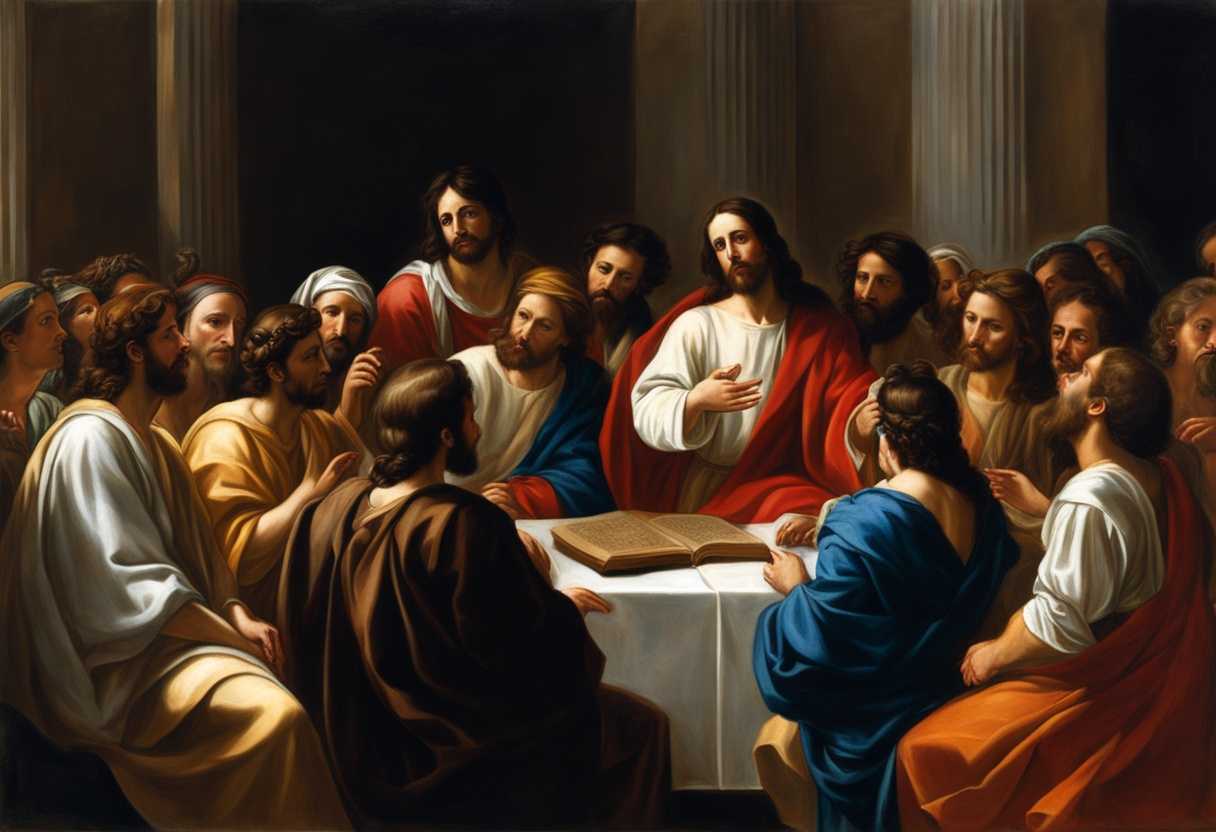
Setting the Scene for John 12:20-33
In John chapter 12, we find Jesus in Jerusalem during the time of the Passover feast. The scene is bustling with people from all over, gathered to celebrate this important Jewish festival. Among the crowd are Greeks who have come to worship at the feast. They approach Philip, one of the disciples, expressing their desire to see Jesus.
Philip, in turn, goes to Andrew, and together they bring the request to Jesus. This interaction sets the stage for a significant moment in Jesus’ ministry. As Jesus hears about the Greeks seeking Him, He begins to speak about His impending death and the purpose for which He came into the world. The atmosphere is charged with anticipation and solemnity as Jesus talks about being lifted up, foreshadowing His crucifixion and the salvation that would come through His sacrifice. The disciples and the crowd listen intently, perhaps sensing the weight of the moment and the gravity of Jesus’ words.
What is John 12:20-33 about?
Jesus prophetically reveals the path that lies ahead for him in this powerful verse, foretelling his impending death and subsequent glorification. Through his words, he sheds light on the profound sacrificial act that he is destined to undertake for the redemption of humanity. Jesus is imparting a crucial lesson on the core of Christian faith by emphasizing the necessity of his sacrifice for salvation. We ponder upon this verse, reflecting on the magnitude of Jesus’ sacrifice and the profound depths of his love for us. Have you ever stopped to consider the weight of such a burden that Jesus willingly bore for the sake of humanity? Through his death and glorification, Jesus not only offers a pathway to salvation but also embodies the ultimate example of selflessness and humility. This verse serves as a poignant reminder of the profound significance of Jesus’ sacrifice, urging us to embrace his teachings with reverence and gratitude for the gift of salvation that he bestows upon us.
Understanding what John 12:20-33 really means
During the final week of Jesus’ life, just after His triumphant entry into Jerusalem, we find a pivotal moment where Jesus speaks about His impending death and its profound significance for the salvation of humanity. He declares, “The hour has come for the Son of Man to be glorified,” indicating that the time for His sacrificial death and subsequent resurrection is at hand. The term “glorified” in this context points to the ultimate purpose and fulfillment of Jesus’ mission on Earth. It signifies a divine glorification through His redemptive work.
In a striking metaphor, Jesus compares His impending death to a grain of wheat falling into the earth and dying. He explains that unless the seed dies, it remains alone, but through its death, it bears much fruit. This imagery vividly portrays the necessity of Jesus’ sacrificial death for the spiritual rebirth and salvation of many. It also underscores the profound principle that self-sacrifice leads to a greater good, echoing the essence of Jesus’ mission on Earth.
Furthermore, Jesus emphasizes the paradoxical nature of discipleship by stating, “Whoever loves his life loses it, and whoever hates his life in this world will keep it for eternal life.” This statement underscores the importance of prioritizing spiritual values over earthly pursuits. It challenges believers to embrace a life of self-denial and wholehearted commitment to God’s will, echoing the radical call to discipleship that Jesus exemplified.
Drawing from related Bible passages, such as Matthew 16:24-25, Philippians 2:8-9, and Romans 12:1, we see a consistent theme of self-denial, obedience, and sacrificial living. These passages reinforce the call to follow Jesus’ example of humility, obedience, and sacrificial love. They urge believers to present themselves as living sacrifices, holy and pleasing to God, in response to His mercy and grace.
The relevance of this message to people today is profound. In a world that often exalts self-interest and personal gain, this passage challenges us to adopt a counter-cultural mindset of self-sacrifice and service to others. It reminds us to shift our focus from temporary, worldly pursuits to eternal values and the Kingdom of God. Jesus’ willingness to endure suffering and death serves as a beacon of hope and a model for persevering through our own trials with faith and courage.
Consider the story of Sarah, a young woman who left her prosperous career to serve in a remote village, teaching children and providing medical care. Despite initial skepticism from friends who thought she was sacrificing too much, Sarah discovered immense joy and fulfillment in her service. Her selfless act, akin to the grain of wheat that dies to bear fruit, led to a flourishing community and transformed lives. Sarah’s story mirrors the call to sacrificial living and service exemplified in Jesus’ teachings.
In conclusion, this passage challenges us to embrace a life marked by self-sacrifice, service to others, and an eternal perspective. It beckons us to trust that through our willingness to lay down our lives and desires, God can bring about abundant spiritual fruit and lasting impact in the world. May we heed this call to sacrificial love and wholehearted devotion, following in the footsteps of our Savior, Jesus Christ.
How can we follow Jesus in serving others?
One way we can follow Jesus in serving others is by being willing to sacrifice our own desires and comforts for the sake of helping those in need. We can also follow Jesus’ example by prioritizing the needs of others above our own wants and preferences, just as he was willing to give up his own life for the salvation of humanity. This may involve giving up our time, resources, or even our own comfort in order to care for and support those who are struggling or in need.
Another way we can imitate Jesus in serving others is by showing compassion and kindness to everyone we encounter, regardless of who they are or what they have done. Jesus consistently showed love and mercy to all people, reaching out to those who were marginalized, rejected, or forgotten. We can strive to see the inherent dignity and worth of each individual and treat them with respect, kindness, and empathy by following his example, just as Jesus did during his earthly ministry. We can also seek to bring healing, restoration, and hope to those who are hurting or broken by serving others like Jesus did. We can also offer support, encouragement, and practical help to those who are struggling in various ways, just as Jesus performed miracles and brought physical and spiritual healing to many during his time on earth. We can be instruments of God’s grace and bring light into the lives of those around us by sharing the love and compassion of Christ through our words and actions.
Application
In the chaos of work and family life, stop and think about the magnitude of Jesus’ sacrifice. Jesus faced immense challenges but remained steadfast in His faith, just like we must when life throws us curveballs. Let’s follow His example and align our actions with His teachings. How will you let this powerful message transform your daily choices and deepen your trust in God?

Reverend Michael Johnson is an experienced Church Minister with a profound expertise in spirituality and guidance. With a serene presence and a compassionate heart, he has faithfully served his congregation for over 20 years, leading them on a spiritual journey towards inner peace and enlightenment. Reverend Johnson’s extensive knowledge of religious philosophies and profound understanding of human nature have made him a trusted confidant and mentor to many, as he seamlessly weaves his profound wisdom into life teachings. Reverend Johnson’s calming demeanor and empathetic nature continue to uplift and heal souls, nurturing a sense of unity and tranquility within his community.