
John 1:9-11 is about how Jesus, the true light, came into the world but was rejected by his own people, showing the importance of accepting and recognizing the true source of light and salvation.
9 The true light, which gives light to everyone, was coming into the world.
10 He was in the world, and the world was made through him, yet the world did not know him.
11 He came to his own, and his own people did not receive him.
Setting the Scene for John 1:9-11
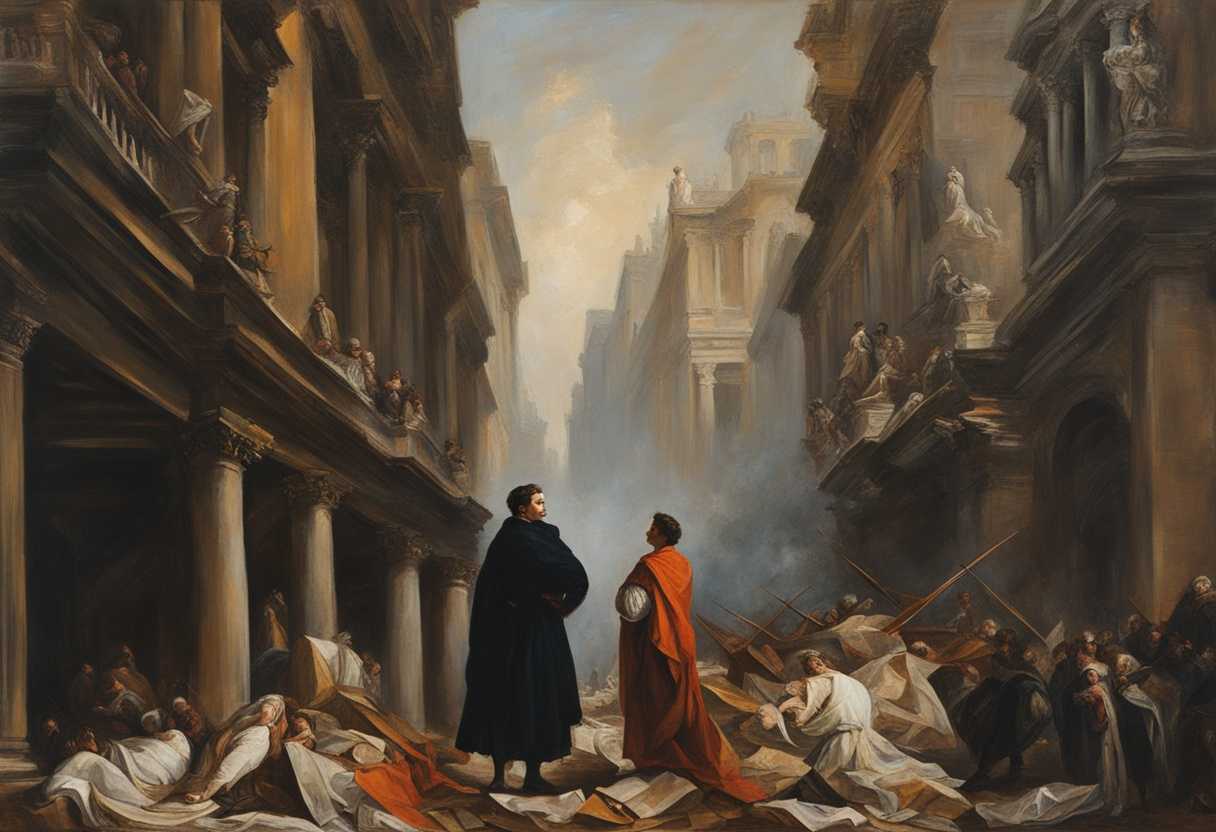
In John chapter 1, we find the scene set in the bustling streets of Jerusalem. The sun is beginning to set, casting a warm glow over the city as people go about their daily activities. In the midst of the crowd, we see a group of religious leaders gathered together, deep in discussion about the prophecies of the Messiah.
Among the group is a man named John, a devout follower of God who has been preaching about the coming of the Messiah. He is joined by a few of his disciples, who are eager to learn from him and spread the message of hope to the people. As they talk, a sense of anticipation fills the air, as they believe that the time is near for the fulfillment of the ancient prophecies.
Suddenly, a stranger approaches the group, a man named Jesus from Nazareth. John’s eyes light up as he recognizes him, knowing in his heart that this is the one they have been waiting for. Jesus’ presence brings a sense of peace and power, and as he speaks, his words resonate deeply with those around him. However, not everyone in the group is ready to accept him, as some doubt his origins and question his authority. The scene is charged with tension and expectation, as the stage is set for the unfolding of a divine plan that will change the course of history.
What is John 1:9-11 about?
Jesus is described as the “light of the world” in this verse.” Light often symbolizes truth, purity, and goodness. Jesus, being the light of the world, brings illumination to our lives, guiding us out of darkness and into truth. He offers spiritual enlightenment, hope, and salvation to all who are willing to accept Him. However, despite the all-encompassing nature of His light, there are still some who choose to reject Him. This rejection could be due to a lack of understanding, stubbornness, or simply a refusal to acknowledge Him as the Savior.
Why would anyone reject the light that can lead them out of darkness? Why would someone choose to remain in ignorance when the truth is right in front of them? We, as teachers and learners ourselves, can reflect on the significance of this verse in our own lives. Do we accept the light of Jesus into our hearts, or do we turn away from Him out of fear or pride? Jesus stands ready to shine His light into our lives, offering us salvation and eternal life. Let us embrace His light and walk in the truth that He offers, rather than turning away and remaining in darkness.
Understanding what John 1:9-11 really means
Introduction
In the Gospel of John, we encounter a unique perspective on the life and ministry of Jesus Christ. The verses we are exploring today, John 1:9-11, form part of the prologue of this Gospel, setting the stage for the profound truths that will unfold throughout the text.
Verse Breakdown and Commentary
“The true light that gives light to everyone was coming into the world.” Here, Jesus is depicted as the “true light,” symbolizing His divine essence and the illumination He brings to all. This imagery is echoed in John 8:12, where Jesus declares Himself as the light of the world, offering guidance and clarity to those who follow Him. In Isaiah 9:2, we see a prophecy fulfilled in Jesus, bringing light to a world shrouded in darkness. In a world marred by confusion and moral uncertainty, Jesus shines as the beacon of truth, offering direction and purpose to all who seek Him.
“He was in the world, and though the world was made through him, the world did not recognize him.” Despite being the Creator of all things, Jesus was not acknowledged by His own creation. Colossians 1:16 emphasizes that all things were created through Him, highlighting His supreme authority. Acts 17:24-25 further underscores His role as the Creator who is often overlooked by humanity. Today, many still fail to recognize Jesus’ divine presence in their lives, missing out on the profound relationship He offers. It is a sobering reminder of how easily we can overlook the source of our existence.
“He came to that which was his own, but his own did not receive him.” Jesus, coming to His chosen people, the Jews, faced rejection from many. This rejection is poignantly expressed in Matthew 23:37, where Jesus laments over Jerusalem’s resistance to His message. Romans 9:4-5 highlights the unique relationship between God and the people of Israel, underscoring the significance of their heritage. This narrative serves as a cautionary tale, urging us to remain open to God’s message, even when it challenges our preconceptions. It reminds us that God’s truth may come to us in unexpected ways, requiring humility and openness to receive it.
Conclusion
In conclusion, these verses illuminate Jesus as the true light, the world’s failure to recognize Him, and the rejection by His own people. As we reflect on these profound truths, let us seek the “true light” in our own lives, embracing the clarity and guidance that Jesus offers. May we be open to recognizing and receiving Him, allowing His truth to illuminate our path. Let us pray for hearts that are receptive to God’s message and a willingness to follow where He leads. Amen.
To whom or what do we give light?
We give light to everyone. We have a duty to share that light with others, just as the true Light, which enlightens everyone, came into the world but was not recognized by all. We are called to illuminate the darkness and guide those who may be lost in the shadows. We can help others see the way to salvation and a deeper connection with God by spreading the light of love, truth, and compassion. It is through our actions and lives that we can effectively reflect the light of Christ to those around us.
However, not everyone will accept the light we offer. Some may reject the light we try to bring into their lives, just as some did not receive the true Light when He came. It is important for us to remain steadfast in our mission to spread the light, even in the face of resistance or indifference. Our role is to shine brightly and let God’s light work through us, regardless of how it may be received by others. We ultimately share the light and leave the outcome to God. We fulfill our purpose as servants of God and representatives of His light in the world by doing so. Through our words, actions, and love, we have the opportunity to bring hope, healing, and transformation to those around us. We have the power to lead others out of darkness and into the glorious light of God’s love and grace as we reflect the light of Christ in our lives.
Application
Think of your life as a daily grind, juggling work and family. John 1:9-11 is like the ultimate power tool, offering the true light to guide you. Are you willing to plug into this source and let it transform your days? Embrace Jesus, let His teachings shape your actions. Will you continue on auto-pilot, or will you take this opportunity to truly follow Him?

Reverend Michael Johnson is an experienced Church Minister with a profound expertise in spirituality and guidance. With a serene presence and a compassionate heart, he has faithfully served his congregation for over 20 years, leading them on a spiritual journey towards inner peace and enlightenment. Reverend Johnson’s extensive knowledge of religious philosophies and profound understanding of human nature have made him a trusted confidant and mentor to many, as he seamlessly weaves his profound wisdom into life teachings. Reverend Johnson’s calming demeanor and empathetic nature continue to uplift and heal souls, nurturing a sense of unity and tranquility within his community.