
John 20:1 is about the discovery of the empty tomb by Mary Magdalene on the first day of the week following Jesus’ crucifixion, symbolizing the resurrection and the fulfillment of God’s promise of salvation for all believers.
1 Now on the first day of the week Mary Magdalene came to the tomb early, while it was still dark, and saw that the stone had been taken away from the tomb.
Setting the Scene for John 20:1
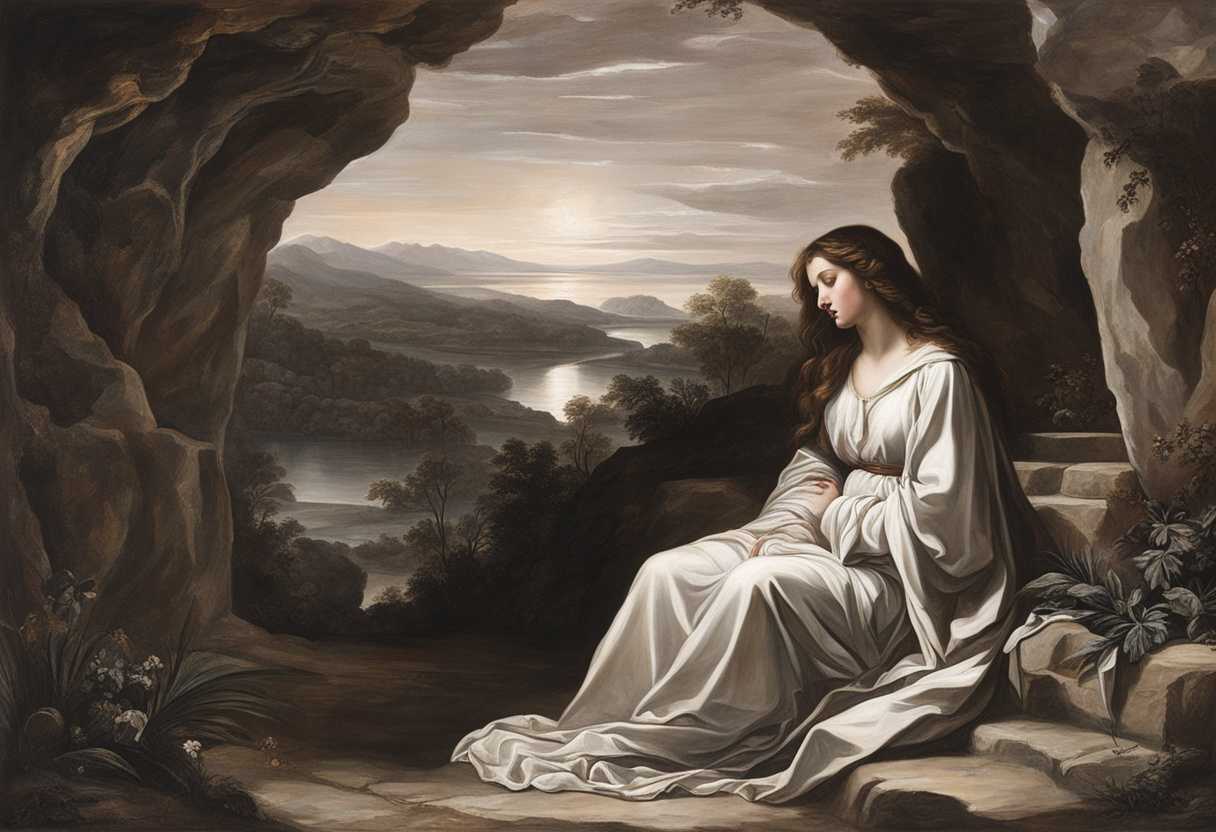
In John chapter 20, we find Mary Magdalene arriving at the tomb of Jesus early in the morning while it was still dark. She had come to the tomb to anoint Jesus’ body with spices, as was the custom in Jewish burial practices. As she approached the tomb, she noticed that the large stone covering the entrance had been rolled away.
Mary Magdalene was accompanied by a few other women, including Mary the mother of James, Salome, and possibly others who had been followers of Jesus. They had all been deeply grieved by the crucifixion of Jesus and had come to pay their respects to his body. The scene was somber and filled with sorrow as they made their way to the tomb, not knowing what they would find inside.
The surroundings were quiet and still, with the first light of dawn beginning to break through the darkness. The air was cool and filled with the scent of the spices the women carried with them. As they reached the tomb and saw the stone rolled away, confusion and fear gripped their hearts. Little did they know that this moment would mark the beginning of a miraculous event that would change the course of history.
What is John 20:1 about?
Ah, the powerful story of Mary Magdalene discovering the empty tomb on the first day of the week in the Gospel of John. This verse holds a profound message of hope, faith, and resurrection. It serves as a pivotal moment in Christian belief, signifying the ultimate triumph over death and the promise of new life.
Can you imagine the emotions Mary Magdalene must have felt as she arrived at the tomb that day, only to find it empty? The confusion, the fear, the wonder. This verse reminds us of the transformative power of faith and the unexpected ways in which God works in our lives. Let us reflect on the significance of the empty tomb in our own lives as we ponder this verse. How does it inspire us to trust in God’s plan, even when faced with uncertainty or challenges? May we find solace in the message of resurrection and allow it to bring renewal and hope to our hearts.
Understanding what John 20:1 really means
In the Gospel of John, we encounter a pivotal moment in Christian faith as we witness Mary Magdalene’s discovery of the empty tomb. This event marks the beginning of the resurrection narrative, a profound symbol of triumph over death and the assurance of eternal life. As we delve into this passage, we are invited to contemplate the significance of this miraculous event and its enduring impact on believers throughout history.
The account of the empty tomb in John 20:1 is not an isolated incident but is intricately connected to other Gospel passages that corroborate the resurrection story. Matthew, Mark, and Luke also document the women’s astonishment at finding the tomb empty and receiving the angelic proclamation of Jesus’ resurrection. These parallel narratives reinforce the foundational belief in Christ’s victory over death and the fulfillment of divine promises.
The resurrection narrative holds timeless relevance for individuals today, offering solace in times of grief and uncertainty. It serves as a beacon of hope, reminding us that death is not the final destination and that through Christ, we are promised eternal life. This profound truth inspires believers to live with purpose, faith, and the assurance that God’s redemptive power transcends all earthly limitations.
Consider the poignant image of Mary Magdalene standing before the empty tomb, her heart undoubtedly filled with a mix of confusion, sorrow, and unwavering devotion to her beloved Lord. Her journey to the tomb in the darkness of dawn mirrors our own quest for spiritual enlightenment amidst life’s trials and tribulations. Mary’s steadfast commitment to seeking Jesus exemplifies the unwavering faith required of believers, even in the face of adversity.
The removal of the stone blocking the tomb’s entrance serves as a powerful metaphor for the barriers that once separated humanity from God’s grace being shattered. This act symbolizes divine intervention, the triumph of light over darkness, and the opening of a new pathway to salvation. Through Mary’s witness to the empty tomb, we are reminded of God’s transformative power to overcome obstacles and usher in a new era of redemption and hope.
As we meditate on John 20:1 and its profound implications, let us embrace the message of the resurrection with renewed faith and gratitude. Just as Mary Magdalene’s encounter with the empty tomb transformed her grief into joy, may we too find comfort, inspiration, and unwavering hope in the promise of new life through Christ’s resurrection.
Is our faith strong enough to believe without seeing?
The verse in John 20:1 serves as a reminder of the power of faith in our belief in Christ. It challenges us to have faith in what we do not physically see, but rather believe in the unseen spiritual truths. It emphasizes the importance of trusting in Jesus without always needing physical proof or tangible evidence. This verse encourages us to have a strong and unwavering faith that goes beyond what our eyes can see.
Believing without seeing requires a deep level of trust and confidence in the promises of God. It calls for a faith that is not dependent on physical signs or visible evidence, but rather grounded in the truths of the Gospel. We demonstrate a genuine and steadfast faith by believing in Jesus and His resurrection without physically seeing Him. It is through this kind of faith that we can experience the fullness of God’s grace and receive the blessings He has in store for us. Having faith without seeing is a fundamental aspect of Christianity ultimately. It is a testament to our conviction and trust in the unseen realities of God’s kingdom. We demonstrate our allegiance to Him and acknowledge His sovereignty over our lives by holding fast to our faith in Christ, even in the absence of tangible proof. May we embrace this call to believe without always needing to see, and may our faith strengthen us in times of doubt and uncertainty.
Application
Imagine logging on to a brand-new day at work, a fresh slate to achieve your best. John 20:1 is like that—bringing the dawn of a new hope. Christ’s resurrection isn’t just history; it’s your personal reboot. How does His victory over death change your daily grind, your family moments, your every breath? Will you let this powerful truth activate your faith and spread the message of Easter joy to others?

Reverend Michael Johnson is an experienced Church Minister with a profound expertise in spirituality and guidance. With a serene presence and a compassionate heart, he has faithfully served his congregation for over 20 years, leading them on a spiritual journey towards inner peace and enlightenment. Reverend Johnson’s extensive knowledge of religious philosophies and profound understanding of human nature have made him a trusted confidant and mentor to many, as he seamlessly weaves his profound wisdom into life teachings. Reverend Johnson’s calming demeanor and empathetic nature continue to uplift and heal souls, nurturing a sense of unity and tranquility within his community.