
John 9:15 is about the Pharisees’ disbelief and denial of Jesus’ miraculous healing of the blind man, highlighting their spiritual blindness and resistance to accepting Jesus as the Messiah.
15 So the Pharisees again asked him how he had received his sight. And he said to them, “He put mud on my eyes, and I washed, and I see.”
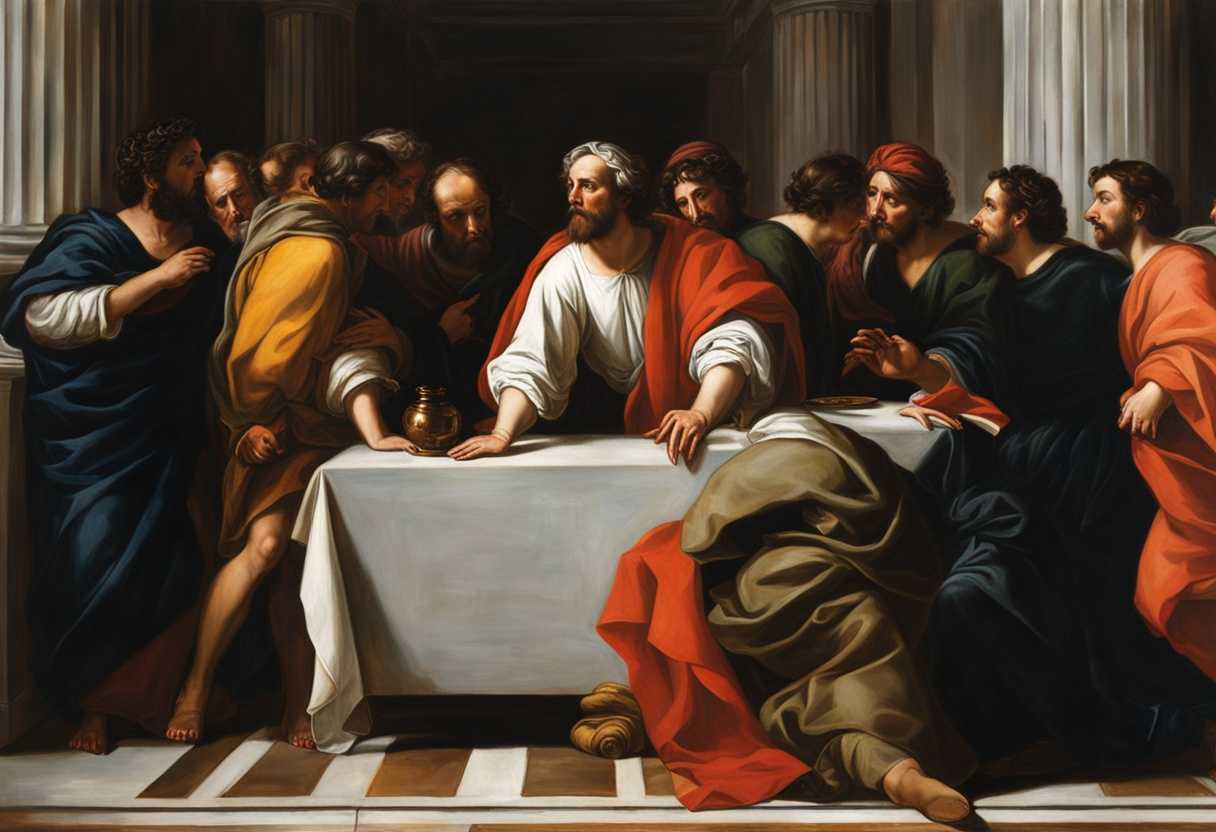
Setting the Scene for John 9:15
In John chapter 9, we find Jesus and his disciples walking through the streets of Jerusalem. As they pass by the temple, they come across a man who has been blind from birth, sitting by the roadside begging for alms. The man’s name is not mentioned in the passage, but his presence is significant as he becomes the central figure in a miraculous event that is about to unfold.
The disciples, curious about the man’s condition, ask Jesus, “Rabbi, who sinned, this man or his parents, that he was born blind?” Jesus responds that neither the man nor his parents sinned, but that the works of God might be displayed in him. With these words, Jesus spits on the ground, makes mud with his saliva, anoints the man’s eyes with the mud, and instructs him to go and wash in the pool of Siloam. The blind man obeys, and as he washes the mud from his eyes, he is miraculously healed and gains his sight for the first time in his life.
The scene is filled with a sense of anticipation and wonder as the blind man’s life is forever changed by encountering Jesus. The bustling streets of Jerusalem provide a backdrop to this powerful moment of healing and revelation, as onlookers witness the incredible transformation taking place before their eyes. The man who was once blind now sees, and his story becomes a testament to the transformative power of faith and the compassion of Jesus.
What is John 9:15 about?
Jesus’ compassion and willingness to heal despite societal norms are seen in this verse as a powerful example. The Pharisees, who were religious leaders of the time, were critical of Jesus for performing this miracle on the Sabbath, a day designated for rest and worship according to Jewish law. However, Jesus challenges their rigid interpretation of the law and shows that acts of kindness and healing should not be restricted by man-made rules and traditions. We can ask ourselves as we reflect on this verse: Are traditions or rules hindering acts of love and compassion in our own lives? Are we more focused on following strict guidelines rather than showing kindness and mercy to those in need? Jesus’ actions remind us of the importance of prioritizing love and empathy above all else, even if it means going against the grain or facing criticism from others.
Let this verse inspire us to break free from the chains of legalism and embrace a spirit of love and grace towards others, just as Jesus did. May we have the courage to act with kindness and compassion, regardless of societal expectations or rules that may stand in our way.
Understanding what John 9:15 really means
In the narrative of John 9:15, we witness a profound moment where Jesus heals a man who was born blind, sparking a series of inquiries from the Pharisees. This event is not merely a physical healing but a symbolic representation of spiritual truths. The act of Jesus putting clay on the man’s eyes serves as a tangible demonstration of divine intervention, illustrating how God often works through physical means in our lives to bring about miracles.
The man’s simple yet powerful declaration, “I washed, and I see,” encapsulates the essence of faith and obedience. His willingness to follow Jesus’ instructions and take action resulted in a miraculous transformation. This highlights the synergy between faith and works, emphasizing that belief must be accompanied by corresponding deeds.
In examining related passages such as John 9:6-7, we gain a deeper understanding of the context surrounding the miraculous healing. Jesus’ deliberate actions, like making clay with His saliva and directing the man to wash in the Pool of Siloam, underscore the significance of obedience in receiving blessings. Moreover, the fulfillment of prophecies like Isaiah 35:5 in Jesus’ healing ministry reinforces His identity as the long-awaited Messiah.
The overarching themes of spiritual blindness and enlightenment resonate strongly in today’s context. Just as the blind man received physical sight, we are called to confront our spiritual blindness and seek Jesus as the light of the world. This narrative challenges us to examine our own areas of darkness and trust in Jesus for illumination and transformation.
Consider a modern-day parallel: a person grappling with addiction may feel trapped in darkness, much like the blind man. However, through faith, obedience to a recovery journey, and encountering the healing touch of Jesus, they can experience a profound shift akin to receiving sight. This anecdote illustrates the universal applicability of the story, showing how Jesus’ transformative power transcends time and circumstances.
In conclusion, John 9:15 serves as a poignant reminder of Jesus’ capacity to heal, restore, and bring about radical change in our lives. It beckons us to acknowledge our spiritual blindness, step out in faith, and embrace the light of Christ. By aligning our actions with our beliefs, we open ourselves to the miraculous work of God, allowing Him to bring clarity and renewal to even the darkest corners of our existence.
What does it mean to truly see?
To truly see means to have a deep understanding and recognition of the truth. It is about perceiving things clearly and not being deceived by what may appear on the surface. Seeing in this context goes beyond physical vision and focuses on perceiving things with spiritual insight and discernment. It involves looking beyond what is obvious and paying attention to the deeper meaning and implications of things. The concept of seeing is used to illustrate a spiritual truth in the verse from John 9. It challenges us to look beyond the physical appearance or limited understanding of a situation and to seek a deeper understanding of the truth. Truly seeing requires an open heart and mind to accept and comprehend what may not be readily apparent. It involves recognizing the work of God and understanding His ways, even when it may not align with our expectations or preconceived notions. Truly seeing involves a profound perception and understanding of the world around us. It is about seeing with the eyes of faith and recognizing the hand of God at work in all aspects of our lives. We can gain insight, wisdom, and a deeper connection to the spiritual truths that guide our journey by seeking to truly see.
Application
In the hustle of work and family, remember John 9:15—God’s power to transform lives is real. Like the blind man healed by Jesus, have faith in God’s ability to bring miracles into your daily struggles. Face your challenges with the confidence that God is with you, ready to work wonders. Are you ready to trust in His transformative power today?

Reverend Michael Johnson is an experienced Church Minister with a profound expertise in spirituality and guidance. With a serene presence and a compassionate heart, he has faithfully served his congregation for over 20 years, leading them on a spiritual journey towards inner peace and enlightenment. Reverend Johnson’s extensive knowledge of religious philosophies and profound understanding of human nature have made him a trusted confidant and mentor to many, as he seamlessly weaves his profound wisdom into life teachings. Reverend Johnson’s calming demeanor and empathetic nature continue to uplift and heal souls, nurturing a sense of unity and tranquility within his community.