
1 Then the word of the Lord came to Jonah the second time, saying,
2 “Arise, go to Nineveh, that great city, and call out against it the message that I tell you.”
3 So Jonah arose and went to Nineveh, according to the word of the Lord. Now Nineveh was an exceedingly great city, three days’ journey in breadth.
4 Jonah began to go into the city, going a day’s journey. And he called out, “Yet forty days, and Nineveh shall be overthrown!”
5 Then the people of Nineveh believed in God; and they called a fast and put on sackcloth, from the greatest of them to the least of them.
6 The word reached the king of Nineveh, and he arose from his throne, removed his robe, covered himself with sackcloth, and sat in ashes.
7 And he issued a proclamation and published through Nineveh, “By the decree of the king and his nobles: Let neither man nor beast, herd nor flock, taste anything. Let them not feed or drink water,
8 but let man and beast be covered with sackcloth, and let them call out mightily to God. Let everyone turn from his evil way and from the violence that is in his hands.
9 Who knows? God may turn and relent and turn from his fierce anger, so that we may not perish.”
10 When God saw what they did, how they turned from their evil way, God relented of the disaster that he had said he would do to them, and he did not do it.
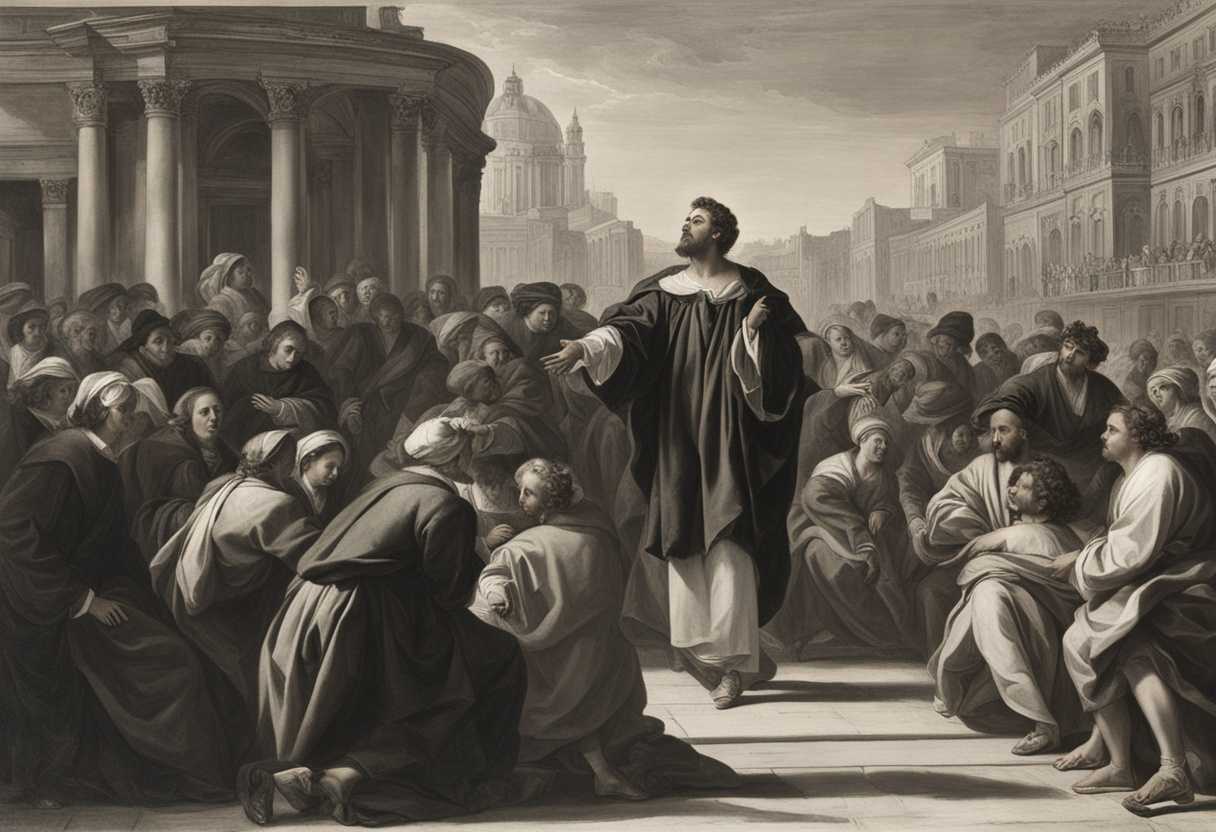
The True Meaning of Jonah 3
The book of Jonah is a short narrative in the Old Testament, attributed to the prophet Jonah. Jonah was a reluctant prophet, called by God to deliver a message of judgment to the city of Nineveh, the capital of the Assyrian Empire. Jonah finally obeys God’s command and preaches to the people of Nineveh in this chapter, leading to a remarkable response of repentance.
Jonah’s initial refusal to go to Nineveh and his subsequent experience in the belly of the great fish have set the stage for this pivotal moment. The people of Nineveh, from the king to the lowest citizen, respond with fasting, sackcloth, and a genuine turning away from their wicked ways as Jonah delivers God’s warning. This unexpected reaction demonstrates the power of God’s word and the possibility of redemption, even for a great and evil city.
The events in this chapter echo the broader themes of God’s mercy and the importance of obedience found throughout the Scriptures. We see the fulfillment of the promise in Ezekiel 18:23, “Do I take any pleasure in the death of the wicked? declares the Sovereign Lord. Rather, am I not pleased when they turn from their ways and live?” The people of Nineveh’s repentance serves as a powerful example of the transformative power of God’s message, even when delivered by a reluctant messenger.
Jonah 3:1-3
Jonah received the word of the Lord a second time in Jonah 3:1-3, instructing him to go to the great city of Nineveh and proclaim the message given to him.’ Jonah obeyed the word of the Lord and went to Nineveh. Now Nineveh was a very important city—a visit required three days.” These few verses are pivotal in the story of Jonah as they mark the beginning of his mission to the city of Nineveh. This passage showcases the mercy and second chances offered by God. Despite Jonah’s initial disobedience that led to his time in the belly of the great fish, God still gives him another opportunity to fulfill his original task of prophesying against the wicked city of Nineveh.
Here, we see God’s faithfulness and persistence in directing Jonah back to his mission. It also underscores the importance of obedience and surrender to God’s will. Jonah’s obedience in this instance is crucial, as it not only leads to the salvation of the people of Nineveh but also serves as a lesson for all believers to heed God’s instructions promptly and completely. The fact that Nineveh is emphasized as a “great city” in the text highlights the significance of the city and its inhabitants in God’s eyes.
The city of Nineveh was known for its great wickedness, and its impending destruction was the reason Jonah was initially hesitant to deliver God’s message. However, despite the city’s sinful reputation, God’s mercy and compassion extend even to the people of Nineveh. This demonstrates God’s desire for all people to repent and turn to Him, regardless of their past actions. It is a powerful reminder of God’s boundless grace and His willingness to forgive those who sincerely seek Him. The story of Jonah and the city of Nineveh resonates with the themes of repentance, forgiveness, and redemption in the broader context of the Bible. Nineveh’s response to Jonah’s message, which will be further explored in the subsequent verses of Jonah 3, serves as a representation of how genuine repentance can lead to divine intervention and salvation. This narrative also foreshadows the ultimate sacrifice of Jesus Christ for the redemption of all humanity, emphasizing God’s unwavering love and desire for reconciliation with His creation. Jonah 3:1-3 sets the stage for a profound spiritual transformation that is about to take place in Nineveh. It highlights the importance of obedience, repentance, and God’s relentless pursuit of His people. It serves as a reminder that no one is beyond the reach of God’s grace and that true repentance can bring about incredible blessings and restoration.
Jonah 3:4-5
Jonah shouted to the crowds on the day he entered the city in Jonah 3:4-5, declaring, “Forty days from now Nineveh will be destroyed!”’ The people of Nineveh believed God’s message, and from the greatest to the least, they declared a fast and put on burlap to show their sorrow.” This passage captures a pivotal moment in the narrative of Jonah, where he finally fulfills his mission to prophesy the impending destruction of Nineveh.
Jonah’s initial reluctance to deliver this message stemmed from his prejudiced view towards the people of Nineveh, as they were Assyrians known for their cruelty and oppression. However, after being swallowed by a great fish and experiencing God’s mercy firsthand, Jonah ultimately obeys and proclaims the message of judgment to the Ninevites. Despite Jonah’s lack of enthusiasm in delivering this message, the power of God’s word is evident through the immediate response of the people of Nineveh.
The reaction of the Ninevites is striking as they respond to Jonah’s message with genuine repentance and humility. From the greatest to the least, all levels of society in Nineveh embrace a fast and put on sackcloth as a sign of their sorrow and genuine desire to turn away from their sinful ways. This demonstrates the inclusive nature of God’s message – it is for everyone, irrespective of social status or background. It shows that true repentance requires action beyond just words; fasting and wearing sackcloth were tangible expressions of their inward contrition.
This account in Jonah 3:4-5 underscores the theme of God’s boundless mercy and willingness to forgive those who turn from their evil ways. It highlights the transformative power of genuine repentance and the immediacy of God’s response to a sincere heart. This event in Nineveh serves as a powerful reminder to all believers of the importance of heeding the call to repentance and the readiness of God to extend grace when true remorse is shown.
The story of Jonah also resonates with the broader biblical theme of God’s compassion for all people. Despite Jonah’s initial reluctance and prejudice, God’s love extends even to the sinful Ninevites. This echoes sentiments expressed in other parts of the Bible, such as in John 3:16, where it is proclaimed that God so loved the world that He gave His only Son. The repentance of Nineveh serves as a testament to God’s desire for all to come to repentance and experience His saving grace.
Jonah 3:6-9
Jonah’s message had a powerful impact on the people of Nineveh, as seen in Jonah 3:6-9. Breaking down the verse into sections, we start with verse 6, which describes how the news of Jonah’s proclamation reached the king of Nineveh. Upon hearing this message, the king rose from his throne, took off his royal robes, put on sackcloth, and sat in ashes. This powerful imagery depicts the realization of the severity of their sins and the king’s humble response to it. The king acknowledges his need for repentance and his submission to a higher authority by removing his royal attire and donning sackcloth.
Moving on to verse 7, we see that the king issued a proclamation throughout Nineveh, declaring a fast and commanding everyone to repent of their evil ways and violence. This demonstrates a remarkable shift towards righteousness and penitence as not just the king, but the entire city responds to Jonah’s message with a collective sense of urgency and humility. The idea of fasting and repentance has strong biblical roots, as seen in verses like Joel 2:12-13, where God calls for a return to Him with fasting, weeping, and mourning, showing that genuine repentance involves a deep sorrow for sin and a turning back to God. The king in verse 8 goes even further by decreeing that both humans and animals should fast and be covered in sackcloth. This inclusivity in repentance showcases the king’s understanding of the interconnectedness of all creation and the impact of sin on both mankind and the natural world. This mirrors the interconnectedness of creation emphasized in the Genesis creation narrative (Genesis 1:26-28), highlighting humanity’s responsible stewardship of the earth and its inhabitants. The king’s decree reflects a profound acknowledgement of the depth of sin and the need for a holistic transformation.
Lastly, in verse 9, the king voices a hope that God may relent and turn from His fierce anger so that they may not perish. Despite the gravity of their sins, the king holds onto the hope of God’s mercy and willingness to forgive those who genuinely repent. This plea for God’s mercy resonates with numerous instances in the Bible where individuals or nations, such as King David in Psalm 51:1-2, cry out for God’s compassion and forgiveness in times of repentance. The account of Nineveh’s repentance in Jonah 3:6-9 serves as a powerful reminder of God’s willingness to forgive those who turn back to Him with genuine hearts. It emphasizes the transformative power of true repentance and humility before God, showcasing His mercy and compassion towards all who seek Him. The story of Nineveh stands as a testament to the universal call for repentance and the hope of reconciliation with God for all who turn from their wicked ways.
Jonah 3:10
Jonah 3:10 states, “When God saw what they did and how they turned from their evil ways, he relented and did not bring on them the destruction he had threatened.” This verse concludes the account of Jonah’s prophecy to the city of Nineveh. The profound mercy and compassion of God are seen in this verse. Despite the wickedness of the people of Nineveh, when they repented sincerely and turned away from their evil ways, God chose to show them compassion and decided not to bring upon them the destruction He had initially planned through Jonah’s prophecy. This teaches us about the relenting nature of God, emphasizing the power of genuine repentance and the possibility of divine forgiveness even in the face of imminent judgment.
This moment in Jonah’s story also sheds light on the theme of obedience to God’s will. Initially, Jonah resisted God’s call to prophesy to the people of Nineveh due to his own prejudices and desires. However, after his tumultuous journey and time spent in the belly of the fish, Jonah eventually obeyed God’s command and delivered the message of repentance to the Ninevites. The response of the Ninevites shows that when people humble themselves before God and heed His word, transformation and salvation are possible, echoing the themes of redemption and forgiveness found throughout the Bible.
Furthermore, the city of Nineveh itself holds significance in biblical history. Nineveh was renowned for its wickedness, as mentioned in the book of Nahum, and its imminent destruction was averted in response to the repentance brought through Jonah’s prophecy. This highlights the theme of God’s judgment being tempered by mercy and the willingness of the Almighty to spare even the most sinful if they turn to Him in true contrition.
The story of Jonah and the redemption of Nineveh serves as a powerful reminder of God’s sovereignty, mercy, and desire for all people to turn to Him in repentance. It also underscores the importance of obedience to God’s will, the transformative power of genuine repentance, and the universality of God’s love and grace, which transcends boundaries of race, nationality, and past sins. This verse, within the broader context of the book of Jonah, conveys a timeless message of hope, forgiveness, and the boundless compassion of God towards those who seek Him.
After Jonah 3
The people of Nineveh heard Jonah’s warning and responded with repentance. They fasted, put on sackcloth, and cried out to God. The king himself even joined in, ordering all to turn from their evil ways. God saw their repentance and relented from the disaster He had planned to bring upon them. The Lord is merciful and gracious, slow to anger and abounding in steadfast love, as we have seen. When we turn to Him in humility and contrition, He is quick to forgive. But the story does not end here. We will witness Jonah’s bitter response to God’s compassion in the next chapter, and learn a valuable lesson about the nature of true righteousness. For the ways of the Lord are not our ways, and His thoughts are higher than our thoughts.

Reverend Michael Johnson is an experienced Church Minister with a profound expertise in spirituality and guidance. With a serene presence and a compassionate heart, he has faithfully served his congregation for over 20 years, leading them on a spiritual journey towards inner peace and enlightenment. Reverend Johnson’s extensive knowledge of religious philosophies and profound understanding of human nature have made him a trusted confidant and mentor to many, as he seamlessly weaves his profound wisdom into life teachings. Reverend Johnson’s calming demeanor and empathetic nature continue to uplift and heal souls, nurturing a sense of unity and tranquility within his community.