
Joshua 22:24 is about the importance of maintaining unity and fellowship within the community of believers, emphasizing the need to uphold the teachings of the Lord and to avoid division and misunderstanding.
24 No, but we did it from fear that in time to come your children might say to our children, ‘What have you to do with the Lord, the God of Israel?
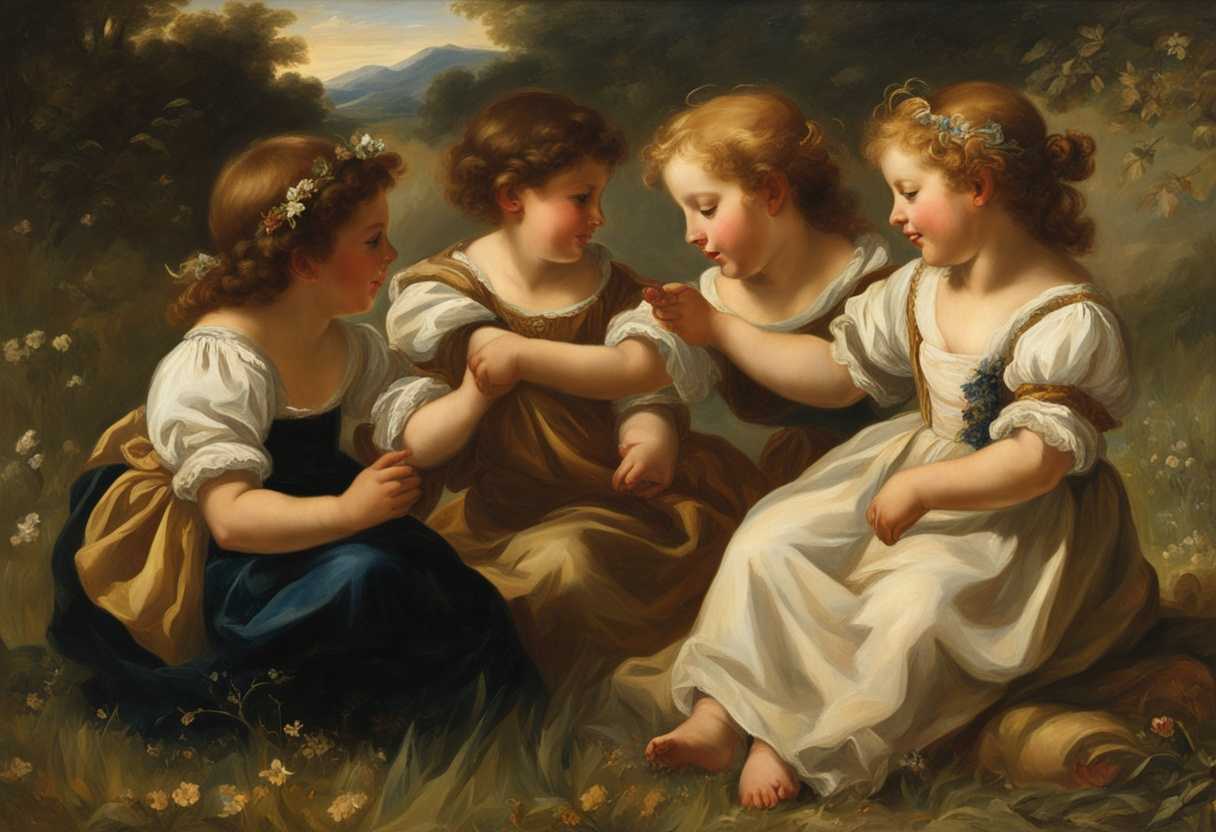
Setting the Scene for Joshua 22:24
In Joshua chapter 22, we find the scene where the Israelites have just finished conquering the land of Canaan under the leadership of Joshua. The twelve tribes of Israel are now settling into their allotted territories. Three of the tribes, Reuben, Gad, and half of the tribe of Manasseh, had received their inheritance on the east side of the Jordan River. As the rest of the tribes prepared to return to their lands on the west side of the Jordan, a misunderstanding arose.
The tribes on the west side of the Jordan mistakenly believed that the eastern tribes had built an altar as a sign of rebellion against the Lord. Concerned about a potential apostasy, they gathered a delegation led by Phinehas the priest to confront the eastern tribes. The scene is tense as the delegation arrives at the borders of the land of the eastern tribes, ready to address the perceived transgression. The setting is a vast plain, with the Jordan River flowing nearby, under the watchful eyes of both the eastern and western tribes, as they prepare to resolve the misunderstanding and ensure unity among the twelve tribes of Israel.
What is Joshua 22:24 about?
This verse highlights the importance of remaining faithful to God and staying united with fellow believers. Loyalty to God involves unwavering devotion, trust, and obedience to His teachings and commandments. It signifies a deep commitment to following His guidance and living a life that reflects His love and grace. Unity among God’s people emphasizes the strength and power that come from coming together in fellowship and support. It involves setting aside differences, extending grace and forgiveness, and working towards a common goal of spreading love, peace, and kindness. Reflect on this verse and ask yourself: How can I deepen my loyalty to God in my daily life? You can foster unity and harmony among your fellow believers in what ways? We can create a strong and supportive community that reflects His love and grace to the world by prioritizing loyalty to God and promoting unity among His people. We should strive to be loyal followers of God and promote unity among believers, as our unity can truly shine the light of His love to those around us.
Understanding what Joshua 22:24 really means
In the narrative of Joshua 22:24, we witness a pivotal moment where the tribes of Reuben, Gad, and the half-tribe of Manasseh construct an altar by the Jordan River. Initially, this act raises concerns among the other Israelite tribes, who fear it signifies a departure from their shared faith. However, the verse unveils the true intention behind the altar’s construction: it serves as a lasting testament to their unity in faith, ensuring that future generations will remember their commitment to the Lord.
The phrase, “We did it from fear that in time to come your children might say to our children, ‘What have you to do with the Lord, the God of Israel?’” encapsulates the deep-rooted concern for preserving a unified faith across generations. It underscores the importance of establishing enduring symbols and traditions that remind people of their shared beliefs and commitments, safeguarding the continuity of their faith heritage.
Drawing parallels from related biblical passages such as Deuteronomy 6:6-7 and Psalm 78:4, we glean further insights into the significance of passing down faith and values to future generations. These passages emphasize the duty of teaching and preserving faith, ensuring that the praiseworthy deeds of the Lord are not hidden but proclaimed to successive generations.
The relevance of Joshua 22:24 extends beyond its historical context, resonating with contemporary concerns about preserving faith and values amidst societal changes. In a world marked by rapid transformations, the verse prompts us to reflect on the importance of upholding traditions and symbols that anchor us to our faith and heritage, fostering unity and continuity in our beliefs.
Consider a family tradition where gathering for a meal and prayer every Sunday serves as a poignant reminder of shared faith and unity. When a new family member questions the tradition’s relevance, the elder elucidates that it transcends mere ritual; it embodies the core beliefs that bind them together. This anecdote illustrates how traditions can serve as a bulwark against changing times, preserving the essence of our faith for generations to come.
In conclusion, Joshua 22:24 imparts a timeless lesson on the deliberate actions required to safeguard faith and unity for posterity. It prompts us to evaluate the symbols and traditions we establish today, recognizing their enduring impact on future generations. By internalizing this wisdom, we can ensure that our faith remains steadfast and pertinent, transcending the flux of the world around us.
How can we ensure unity amidst misunderstandings?
To ensure unity amidst misunderstandings, it is crucial to communicate openly and honestly. When faced with differences or conflicts, it is important to address them directly and clarify any misunderstandings in order to prevent them from escalating. We can work towards finding common ground and resolving any issues that may arise by engaging in peaceful and respectful dialogue. This approach promotes unity by allowing for a clear and mutual understanding among all parties involved.
Furthermore, practicing empathy and seeking to understand the perspectives of others can help bridge any gaps in communication and foster unity. We can build trust and strengthen our relationships with one another by acknowledging and validating each other’s feelings and points of view. We can create a space for reconciliation and harmony to flourish by approaching misunderstandings with patience and a willingness to listen. A commitment to mutual respect, empathy, and effective communication ultimately maintains unity. We can navigate misunderstandings and differences with grace and understanding, strengthening the bonds that unite us as a community by upholding these principles.
Application
Just like updating software to prevent bugs, let’s upgrade our communication skills to prevent misunderstandings. Take a moment to reach out and bridge the gap with those around you. Let’s be the problem solvers in the network of our relationships. Will you be the upgrade that resolves conflicts and fosters harmony today?

Reverend Michael Johnson is an experienced Church Minister with a profound expertise in spirituality and guidance. With a serene presence and a compassionate heart, he has faithfully served his congregation for over 20 years, leading them on a spiritual journey towards inner peace and enlightenment. Reverend Johnson’s extensive knowledge of religious philosophies and profound understanding of human nature have made him a trusted confidant and mentor to many, as he seamlessly weaves his profound wisdom into life teachings. Reverend Johnson’s calming demeanor and empathetic nature continue to uplift and heal souls, nurturing a sense of unity and tranquility within his community.