
Judges 2:7 is about the passing of Joshua and the beginning of a new era characterized by the Israelites turning away from God and embracing idolatry.
7 And the people served the Lord all the days of Joshua, and all the days of the elders who outlived Joshua, who had seen all the great work that the Lord had done for Israel.
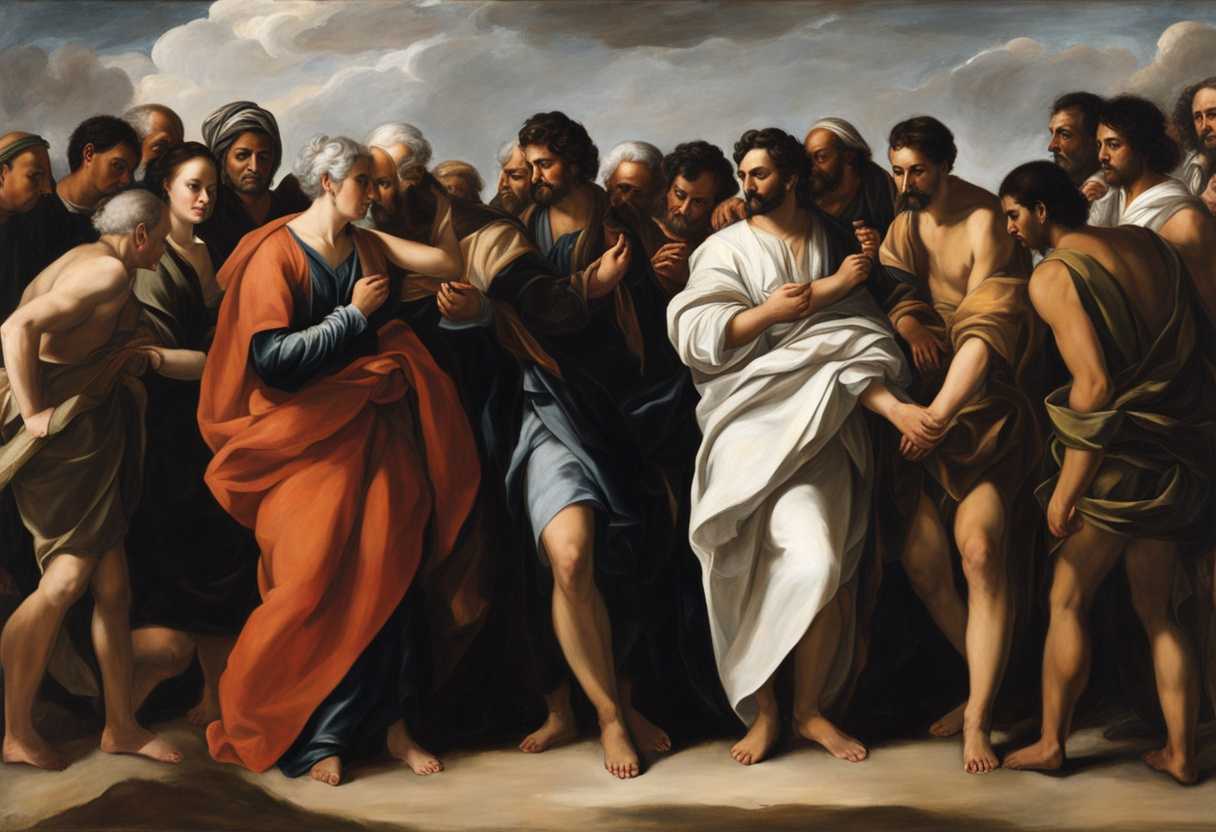
Setting the Scene for Judges 2:7
In Judges chapter 2, the scene unfolds in the land of Canaan shortly after the Israelites had settled there following their exodus from Egypt. The prominent figures in this scene are Joshua, the successor of Moses, and the elders of Israel. They had gathered the people together to remind them of the covenant God had made with them and to instruct them to follow His commandments.
The setting is a solemn assembly in the presence of the tabernacle, the sacred tent where God’s presence dwelt among His people. The elders, with Joshua at the forefront, recounted the miraculous deeds of the Lord, from the parting of the Red Sea to the victories in battle that had allowed them to possess the promised land. They warned the Israelites against turning away from God and worshiping the idols of the surrounding nations, emphasizing the importance of remaining faithful to the one true God.
As the people listened intently, the weight of their responsibility to uphold the covenant and teach future generations about God’s faithfulness hung in the air. The scene was filled with a sense of urgency and solemnity as the elders and Joshua impressed upon the Israelites the gravity of their calling to serve the Lord wholeheartedly.
What is Judges 2:7 about?
The behavior of the people of Israel during the leadership of Joshua contrasts starkly with their actions after his passing in this verse. During Joshua’s lifetime, the people were devoted to serving the Lord, following his commands, and remaining faithful to their covenant with God. Their obedience and loyalty to the Lord brought them blessings and victories in their battles.
However, after Joshua’s death, we witness a turn of events where the people of Israel stray from their faith and commitment to the Lord. This shift from obedience to disobedience raises important questions about the nature of faith, loyalty, and leadership. Why did the people of Israel veer off the path of righteousness after the death of Joshua? What role did their connection to Joshua play in their faithfulness to the Lord? And how can we ensure that we remain steadfast in our devotion to God even in times of transition and change? Let us reflect on this verse and consider the importance of staying true to our faith and remaining steadfast in our commitment to the Lord, regardless of external circumstances or changes in leadership. May we learn from the example of the people of Israel and strive to serve the Lord wholeheartedly, both in times of blessing and adversity.
Understanding what Judges 2:7 really means
The Book of Judges provides a glimpse into a pivotal period for the Israelites, marked by transitions and challenges following Joshua’s leadership. In Judges 2:7, we see a poignant portrayal of the Israelites’ faithfulness during the era of Joshua and the elders who survived him. The phrase “The people served the Lord” encapsulates a time of unwavering commitment and obedience to God, illustrating a community dedicated to following His divine guidance. Throughout the days of Joshua, his influential leadership played a crucial role in steering the Israelites towards a path of faithfulness and devotion to God, setting a powerful example for future generations to emulate.
The mention of “the elders who outlived him” sheds light on a group of individuals who bore witness to God’s miraculous deeds and continued to uphold His commandments even after Joshua’s passing. Their presence served as a beacon of wisdom and guidance, ensuring that the legacy of faithfulness persisted beyond a single leader’s lifetime. This narrative resonates with Joshua 24:31, emphasizing the enduring faithfulness of the Israelites under Joshua’s influence and the subsequent generation. Deuteronomy 6:5-7 reinforces the importance of wholehearted love for God and the transmission of His teachings to future descendants, underscoring the vital role of passing down faith from one generation to the next.
Drawing parallels to our contemporary context, Judges 2:7 prompts us to reflect on the profound impact of strong, godly leadership and the significance of imparting faith and values to future generations. Imagine a family where the steadfast faith of grandparents inspires successive generations to walk faithfully with God, mirroring the generational influence seen in the Israelites under Joshua’s leadership. This anecdote underscores the transformative power of personal testimonies and lived experiences in nurturing enduring faithfulness among communities and families.
As we ponder the implications of Judges 2:7 in our lives, we are challenged to consider the mentors and elders who have shaped our spiritual journey. How have their stories and examples influenced our relationship with God? Furthermore, we are encouraged to evaluate our role in sharing our faith and experiences with the next generation, actively contributing to the cultivation of a legacy of faithfulness. This verse beckons us to contemplate the legacy we are crafting and the responsibility we bear in nurturing faith in those who will follow in our footsteps, underscoring the profound impact of intentional discipleship and the enduring power of a steadfast commitment to God.
How can we pass on spiritual knowledge to future generations?
One way to pass on spiritual knowledge to future generations is by actively living out the teachings and values ourselves. We serve as a tangible example for those around us, including our children and descendants, by embodying the principles of our faith in our daily lives. Our actions and attitudes can speak volumes and leave a lasting impression on the next generation. Intentional teaching and storytelling are another way to pass on spiritual knowledge, in addition to personal example. Sharing the stories and lessons from our religious texts, traditions, and personal experiences can help convey important spiritual truths to our children and grandchildren. Through regular discussions, lessons, and reflections, we can help to ensure that the wisdom and insights of our faith are carried forward to future generations. Creating a sense of community and belonging within a religious or spiritual group can also aid in passing on spiritual knowledge. We foster a sense of connection and continuity that can strengthen the transmission of spiritual teachings and values to those who come after us by participating in activities, gatherings, and rituals with others who share our beliefs. This shared experience can help to reinforce the importance of our faith in the lives of our descendants.
Application
Just like how we pass on knowledge and skills in our workplaces and families, the duty of passing down our faith is a sacred one. It is our calling to sow the seeds of spirituality in the fertile hearts of the generation that follows us. Will you rise to the occasion to mentor and nurture the spiritual growth of the young souls in our midst?

Reverend Michael Johnson is an experienced Church Minister with a profound expertise in spirituality and guidance. With a serene presence and a compassionate heart, he has faithfully served his congregation for over 20 years, leading them on a spiritual journey towards inner peace and enlightenment. Reverend Johnson’s extensive knowledge of religious philosophies and profound understanding of human nature have made him a trusted confidant and mentor to many, as he seamlessly weaves his profound wisdom into life teachings. Reverend Johnson’s calming demeanor and empathetic nature continue to uplift and heal souls, nurturing a sense of unity and tranquility within his community.