
1 How the gold has grown dim, how the pure gold is changed!
2 The precious sons of Zion, worth their weight in fine gold, how they are regarded as earthen pots, the work of a potter’s hands!
3 Even jackals offer the breast; they nurse their young, but the daughter of my people has become cruel, like the ostriches in the wilderness.
4 The tongue of the nursing infant sticks to the roof of its mouth for thirst; the children beg for food, but no one gives to them.
5 Those who once feasted on delicacies perish in the streets; those who were brought up in purple embrace ash heaps.
6 For the chastisement of the daughter of my people has been greater than the punishment of Sodom, which was overthrown in a moment, and no hands were wrung for her.
7 Her princes were purer than snow,
whiter than milk;
their bodies were more ruddy than coral,
the beauty of their form was like sapphire.
8 Now their face is blacker than soot;
they are not recognized in the streets;
their skin has shriveled on their bones;
it has become as dry as wood.
9 Happier were the victims of the sword than the victims of hunger, who wasted away, pierced by lack of the fruits of the field.
10 The hands of compassionate women have boiled their own children; they became their food during the destruction of the daughter of my people.
11 The Lord gave full vent to his wrath; he poured out his hot anger, and he kindled a fire in Zion that consumed its foundations.
12 The kings of the earth did not believe, nor any of the inhabitants of the world, that foe or enemy could enter the gates of Jerusalem.
13 This was for the sins of her prophets and the iniquities of her priests, who shed in the midst of her the blood of the righteous.
14 They wandered, blind, through the streets; they were so defiled with blood that no one was able to touch their garments.
15 “Away! Unclean!” people cried at them. “Away! Away! Do not touch!” So they became fugitives and wanderers; people said among the nations, “They shall stay with us no longer.”
16 The Lord himself has scattered them;
he will regard them no more;
no honor was shown to the priests,
no favor to the elders.
17 Our eyes failed, ever watching vainly for help; in our watching we watched for a nation that could not save.
18 They dogged our steps
so that we could not walk in our streets;
our end drew near; our days were numbered,
for our end had come.
19 Our pursuers were swifter than the eagles in the heavens; they chased us on the mountains; they lay in wait for us in the wilderness.
20 The breath of our nostrils, the Lord’s anointed, was captured in their pits, of whom we said, “Under his shadow we shall live among the nations.”
21 Rejoice and be glad, O daughter of Edom,
you who dwell in the land of Uz;
but to you also the cup shall pass;
you shall become drunk and strip yourself bare.
22 The punishment of your iniquity, O daughter of Zion, is accomplished; he will keep you in exile no longer; but your iniquity, O daughter of Edom, he will punish; he will uncover your sins.
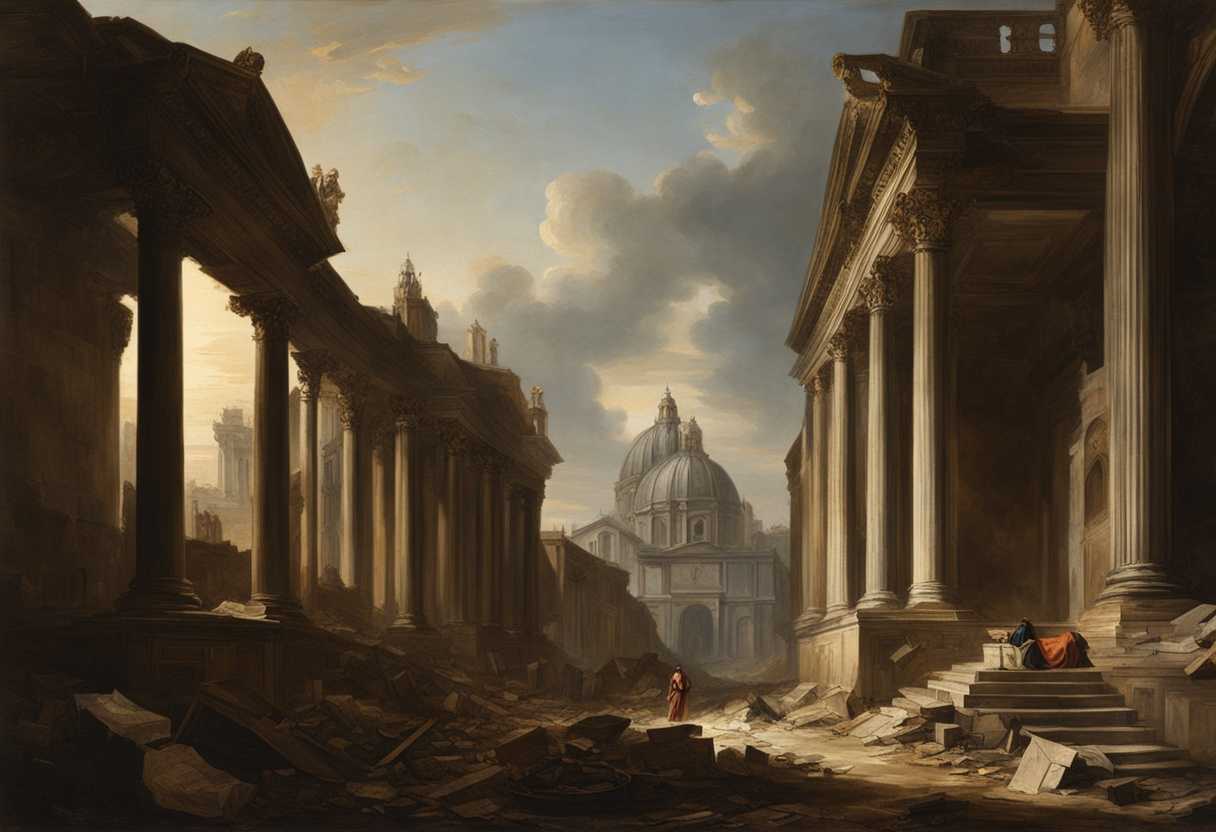
The True Meaning of Lamentations 4
The Book of Lamentations is believed to have been written by the prophet Jeremiah, who witnessed the destruction of Jerusalem by the Babylonians in 586 BC. Jeremiah was a prominent figure during the final years of the Kingdom of Judah, and his writings provide a poignant and sorrowful account of the fall of the holy city. Jeremiah continues his lament over the once-glorious Jerusalem, now reduced to ruin in this chapter. He mourns the suffering of the people, the desecration of the temple, and the loss of the city’s former splendor. The prophet’s words echo the sentiments expressed in Psalm 137, where the exiled Israelites weep by the rivers of Babylon, longing for their beloved Jerusalem. We will witness Jeremiah’s vivid descriptions of the city’s devastation, the anguish of the people, and the profound sense of abandonment felt by the faithful as we delve into this chapter. Yet, even in the midst of this darkness, we may find glimmers of hope, for the Lord’s compassion and mercy are never-ending, as we are reminded in the book of Lamentations itself: “The steadfast love of the Lord never ceases; his mercies never come to an end” (Lamentations 3:22).
Lamentations 4:1-6
The passage in Lamentations 4:1-6 begins by highlighting the once radiant and precious nature of the precious sons of Zion, comparing them to fine gold that has now become like clay jars. This transformation from valuable to common serves to emphasize the drastic change that has overcome the people of Zion. The imagery of clay jars denotes fragility and insignificance in contrast to the previous grandeur. This shift reflects a spiritual and moral decline within the community of Zion.
The mention of the hands of compassionate women boiling their own children for food in verse 10 is a horrifying depiction of the extreme anguish and suffering experienced by the people of Zion. This desperate act not only illustrates the dire circumstances faced by the inhabitants but also serves as a poignant portrayal of the severe consequences of disobedience and turning away from God. The vivid imagery is a stark reminder of the depths of despair that can be reached when a community forsakes their faith and foundational principles.
The verse mentions the iniquity of the daughter of my people being greater than the punishment of Sodom, which was overthrown in a moment and did not have hands laid on her. This comparison serves to underscore the gravity of the sins committed by the people of Zion. The destruction of Sodom and Gomorrah in Genesis 19 is a well-known biblical account of divine judgment upon cities steeped in wickedness and immorality. The reference to Sodom in Lamentations emphasizes the severity of the consequences faced by the daughter of Zion due to her transgressions.
Furthermore, the passage mentions how the nobles of Zion were purer than snow, whiter than milk, with their bodies more ruddy than coral, their appearance like sapphire. This vivid description of the nobles serves as a stark contrast to the current state of degradation and defilement within the city. The fall from such a lofty position to one of ruin and despair serves as a cautionary tale about the dangers of pride, corruption, and departing from the ways of the Lord. The mention of the nobles in this context highlights the accountability of those in positions of power and influence. The verses in Lamentations 4:1-6 serve as a sobering reflection on the consequences of sin, disobedience, and the abandonment of faith. The vivid imagery and poignant comparisons underscore the drastic transformation and moral decay experienced by the people of Zion. The passage serves as a timeless reminder of the importance of maintaining a steadfast commitment to God, avoiding the pitfalls of pride, corruption, and turning away from His teachings. Through the tragedy and desolation depicted in these verses, there is a call to repentance, redemption, and restoration through a return to the path of righteousness and obedience to the Lord.
Lamentations 4:7-11
The verses in Lamentations 4:7-11 speak of the desolation and destruction that had fallen upon Jerusalem, particularly the city’s nobles and leaders. Let’s break down the key sections of these verses for a deeper understanding.
Verse 7 begins by describing how once-proud nobles, who were once as pure as snow and white as milk, were now darker than soot, unrecognizable in the streets of the city. This stark contrast highlights the drastic change in their circumstances, emphasizing their fall from grace. The image of the nobles being compared to snow and milk, which are symbols of purity, serves to underscore the extent of their moral corruption and downfall. This transformation serves as a cautionary tale about the consequences of pride, greed, and moral decay that can lead even the most esteemed individuals to ruin.
Moving on to verse 8, it mentions that the nobles’ appearance was now blacker than coal, as they wandered unrecognized in the streets. This imagery of being unrecognizable speaks to the loss of dignity and honor that these once-respected individuals had undergone. Their downfall was not just physical but also deeply spiritual and moral. This serves as a reminder of the transient nature of human glory and the importance of humility and righteousness in the eyes of God.
Verse 9 paints a poignant picture of the plight of those who were slain in the city, their lives ending in a brutal manner. The verse describes how they perished due to lack of food and water, a fate that highlights the harsh realities of siege warfare and its devastating effects on the civilian population. The mention of these deaths serves as a reflection on the consequences of sin and disobedience, as well as a warning about the price of turning away from God. The focus shifts to another tragic aspect of the destruction – the fate of women and children in verses 10 and 11. These verses depict how tenderhearted women had resorted to unthinkable acts, such as cooking their own children, due to the extreme conditions of the siege. This horrific image underscores the depth of suffering and desperation that had enveloped the city. The mention of such atrocities serves as a chilling reminder of the consequences of forsaking God and the depths to which humanity can sink without His guidance and grace. The lamentation over Jerusalem’s desolation in these verses is not just a historical account but a powerful cautionary tale about the consequences of sin, pride, and disobedience. The vivid imagery used serves to evoke a sense of sorrow, repentance, and a call to return to God. These verses remind readers of the importance of remaining faithful, humble, and obedient to God’s commandments to avoid the pitfalls of moral decay and destruction. The themes of justice, mercy, and the consequences of turning away from God resonate throughout the Bible, serving as timeless messages for all generations to heed.
Lamentations 4:12-16
“The kings of the earth and all the inhabitants of the world did not believe that a foe or enemy could enter the gates of Jerusalem.” This was for the sins of her prophets and the iniquities of her priests, who shed in the midst of her the blood of the righteous. They wandered, blind, through the streets; they were so defiled with blood that no one was able to touch their garments. ‘Away! Unclean!’ people cried at them. ‘Away! Away! Do not touch!’ So they wandered and staggered; people among the nations said, ‘They shall stay there no longer.’ The Lord himself has scattered them; he will regard them no more; no honor was shown to the priests, no favor to the elders.”
This passage highlights the consequences of the sins of Jerusalem’s leaders, specifically the prophets and priests. God chose prophets in biblical narratives to deliver His messages to His people. However, if these prophets deviated from God’s teachings or used their position for personal gain, they faced severe punishment. Similarly, priests were meant to lead the people in worshipping God and upholding His commandments. The shedding of innocent blood by these leaders symbolizes the corruption and moral decay within Jerusalem’s religious and political institutions.
The mention of the kings of the earth and inhabitants of the world not believing that an enemy could breach the gates of Jerusalem emphasizes the once-strong reputation and perceived invincibility of the city. Historically, Jerusalem was considered a fortified city, protected by God Himself. However, the sin and corruption within its leadership weakened its defenses, leading to its downfall. This serves as a cautionary tale about the importance of remaining faithful and obedient to God’s will, as even the mightiest can fall if they stray from His path.
The imagery of the prophets and priests being so defiled with blood that people recoiled from them reflects the severe consequences of their actions. Touching blood symbolized becoming ritually unclean in Hebrew culture. The rejection and ostracism of these leaders by the people demonstrate the loss of respect and honor they once held. This serves as a reminder that those in positions of authority or leadership will be held to a higher standard by God and by the people they serve.
Furthermore, the scattering of the prophets and priests by the Lord signifies God’s judgment upon them. Throughout the Bible, God is portrayed as just and righteous, punishing those who turn away from Him. The absence of honor and favor shown to these leaders underscores the severity of their actions and the repercussions they faced. This narrative aligns with other passages in the Bible that warn against the consequences of turning away from God, such as the story of the fall of Israel and Judah due to their disobedience in the books of Kings and Chronicles.
Lamentations 4:17-20
The chapter highlights the cry of despair and agony of the people of Jerusalem in Lamentations 4:17-20. We read the verses, “17 Our eyes still failed us, watching vainly for our help; In our watching we watched for a nation that could not save us.” 18 They tracked our steps so that we could not walk in our streets. Our end drew near; our days were numbered, for our end had come. 19 Our pursuers were swifter than the eagles in the heavens; they chased us on the mountains, they lay in wait for us in the wilderness. 20 The breath of our nostrils, the anointed of the Lord, was taken in their pits, of whom we said, ‘Under his shadow we shall live among the nations. The people of Judah grapple with the destruction of Jerusalem and the exile of its inhabitants, revealing a deep sense of loss and desperation in these verses. The reference to “our eyes still failed us, watching vainly for our help” emphasizes the people’s futile search for assistance amidst their suffering. They had hoped for a nation to come to their aid, but they were left to face their troubles alone.
The mention of being “tracked” and unable to walk freely in their own streets portrays the oppressive conditions the people endured under the siege and conquest of Jerusalem. The people’s days were numbered, and their end had come, indicating the imminent destruction and downfall they faced. This imagery serves as a stark reminder of the consequences of turning away from God and His covenant.
The description of their pursuers being swifter than eagles and their relentless pursuit vividly captures the intensity and fear instilled in the hearts of the people as they fled from their enemies. The imagery of being hunted down in the mountains and wilderness further emphasizes the sense of vulnerability and helplessness they experienced.
The verse concludes with a poignant reflection on the loss of their leaders and protectors, symbolized by the “breath of our nostrils, the anointed of the Lord.” This could refer to the king or other prominent figures whose protection and guidance the people had relied on. The fact that even these esteemed individuals were taken captive or killed underscores the severity of the judgment that had befallen Judah. These verses from Lamentations 4 serve as a poignant depiction of the devastation and despair experienced by the people of Jerusalem. It underscores the consequences of sin and disobedience, as well as the importance of placing trust in God alone for deliverance. The lamentation of the people in these verses echoes throughout the Bible, reminding readers of the fleeting nature of worldly power and the enduring faithfulness of God even in times of great distress.
Lamentations 4:21-22
The verses in Lamentations 4:21-22 read: “Rejoice and be glad, Daughter Edom, you who live in the land of Uz. But to you also the cup will be passed; you will be drunk and stripped naked. Your punishment will end, Daughter Zion; he will not prolong your exile. But he will punish your sin, Daughter Edom, and expose your wickedness.”
Interpretation:
-
“Rejoice and be glad, Daughter Edom, you who live in the land of Uz.” – Here, the focus shifts from the afflicted Daughter Zion to the nation of Edom. It is a call for the people of Edom, descendants of Esau, to rejoice temporarily for they are not currently under the same intensity of God’s judgment as the Israelites. The mention of the land of Uz, traditionally believed to be the region of Job’s residence, adds a layer of significance as Job himself endured suffering and was later restored.
-
“But to you also the cup will be passed; you will be drunk and stripped naked.” – Despite the temporary respite, the prophecy foretells a day when Edom will face their own time of judgment. The metaphor of drinking from the cup of God’s wrath, commonly used throughout the Old Testament, indicates the punishment that Edom will eventually experience. Being “stripped naked” symbolises being exposed and left vulnerable, as God’s judgment reveals the true nature of their sins and wickedness.
-
“Your punishment will end, Daughter Zion; he will not prolong your exile.” – The focus returns to Daughter Zion, symbolising Jerusalem and the people of Judah. The promise here is one of eventual restoration and the end of their exile. This verse brings a message of hope to the Israelites, assuring them that their exile will not last forever and that God will show them mercy by eventually allowing them to return to their land.
-
“But he will punish your sin, Daughter Edom, and expose your wickedness.” – The passage concludes by reinforcing the idea that God will not overlook the sins of Edom. Despite any temporary relief, their wicked deeds will not go unpunished. This declaration serves as a reminder that God’s justice is equitable and that no nation can escape accountability for their actions.
Impact on the Bible’s Timeless Messages:
These verses in Lamentations reflect the themes of divine judgment, justice, mercy, and restoration that are prevalent throughout the Bible. They illustrate the consequences of sin and disobedience, but also offer hope and redemption for those who turn back to God. The contrast between the destinies of Daughter Zion and Daughter Edom serves as a reminder of the importance of repentance and the inevitable judgment that awaits those who persist in their wicked ways.
Furthermore, these verses highlight the cyclical nature of God’s dealings with His people, where punishment is followed by restoration, and sin is ultimately met with justice. The interconnectedness of these concepts resonates with other passages in the Bible, such as in the book of Jeremiah where God’s promises of restoration are intertwined with warnings of judgment. Lamentations 4:21-22 serves as a poignant reminder of God’s faithfulness to both punish sin and extend mercy to those who seek Him. It emphasizes the importance of remaining faithful to God, as His justice is certain, His mercy is abundant, and His promises of restoration are sure.
After Lamentations 4
The people of Jerusalem had fallen into despair. Their once-proud city lay in ruins, its streets filled with the cries of the hungry and the laments of the bereaved. The prophet Jeremiah, who had long warned of this calamity, now wept bitterly over the destruction he had witnessed.
Yet, even in the midst of this profound sorrow, a glimmer of hope remained. For the Lord, in His infinite mercy, had not abandoned His people. Though they had strayed from His ways, He still offered the promise of restoration and redemption. And it is to this promise that we now turn, as we seek to understand the path forward in the chapter that lies ahead.

Reverend Michael Johnson is an experienced Church Minister with a profound expertise in spirituality and guidance. With a serene presence and a compassionate heart, he has faithfully served his congregation for over 20 years, leading them on a spiritual journey towards inner peace and enlightenment. Reverend Johnson’s extensive knowledge of religious philosophies and profound understanding of human nature have made him a trusted confidant and mentor to many, as he seamlessly weaves his profound wisdom into life teachings. Reverend Johnson’s calming demeanor and empathetic nature continue to uplift and heal souls, nurturing a sense of unity and tranquility within his community.