
Leviticus 10:1-3 is about the consequences of offering unauthorized fire before the Lord, emphasizing the importance of reverence and obedience in worship.
10 Now Nadab and Abihu, the sons of Aaron, each took his censer and put fire in it and laid incense on it and offered unauthorized fire before the Lord, which he had not commanded them.
2 And fire came out from before the Lord and consumed them, and they died before the Lord.
3 Then Moses said to Aaron, “This is what the Lord has said: ‘Among those who are near me I will be sanctified, and before all the people I will be glorified.’” And Aaron held his peace.
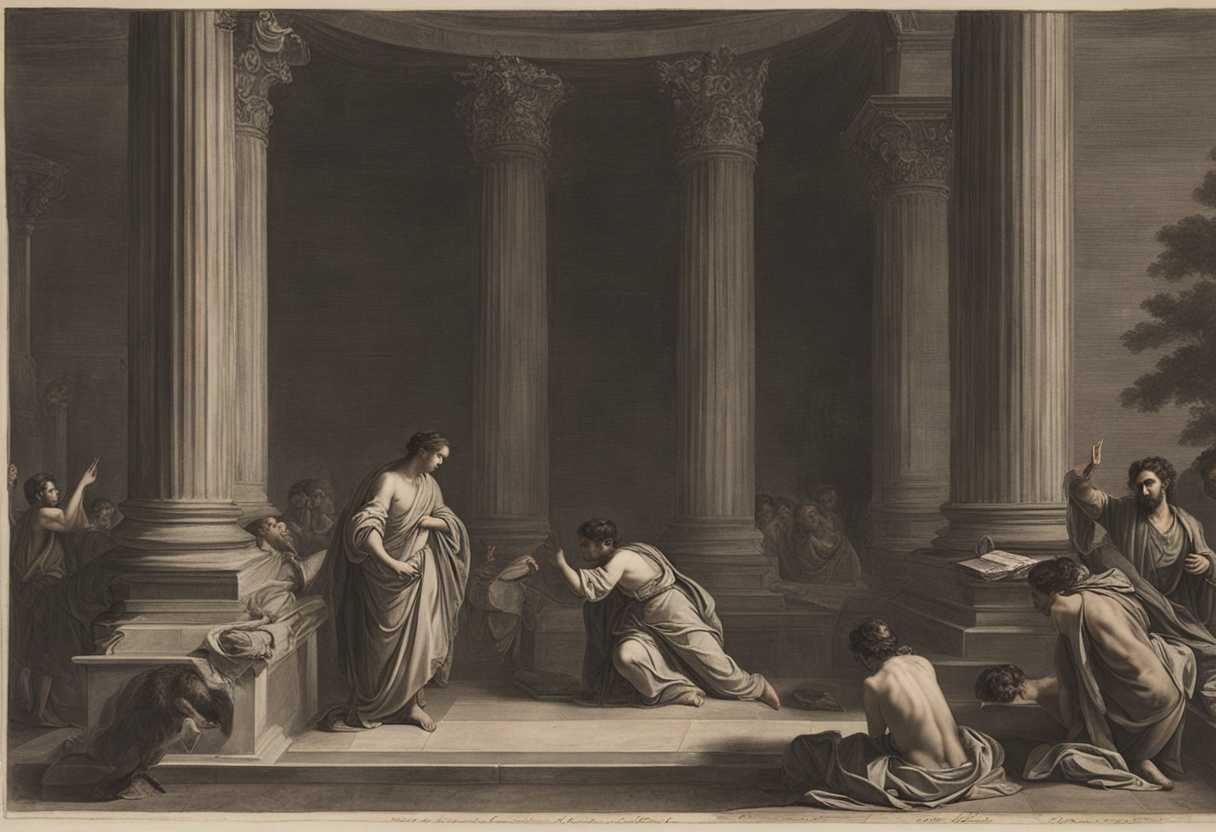
Setting the Scene for Leviticus 10:1-3
The scene in Leviticus 10:1-3 takes place shortly after the ordination of Aaron and his sons as priests. Aaron’s sons, Nadab and Abihu, are in the Tabernacle along with their father and brothers. The Tabernacle is a sacred tent where the Israelites worship and offer sacrifices to God. The atmosphere is filled with a sense of reverence and holiness as the priests carry out their duties.
Nadab and Abihu, filled with a sense of excitement and perhaps overconfidence in their new roles as priests, decide to offer unauthorized fire before the Lord. This act goes against the specific instructions given by God regarding the proper way to offer sacrifices. As a result, fire comes out from the presence of the Lord and consumes them, leading to their tragic deaths. The sudden and severe consequences of their actions serve as a sobering reminder of the importance of following God’s commands and approaching Him with reverence and humility.
The rest of the priests, including Aaron, are left in shock and grief at the loss of Nadab and Abihu. This event serves as a pivotal moment in the early days of the priesthood, emphasizing the need for obedience and respect in their service to God. The Tabernacle, once filled with the anticipation of a new beginning, is now shrouded in a somber atmosphere as the priests grapple with the consequences of disobedience.
What is Leviticus 10:1-3 about?
Oh, this verse is a powerful reminder of the importance of obedience and following God’s instructions. Nadab and Abihu, two priests in the Old Testament, made the grave mistake of offering unauthorized fire before the Lord. This act of disobedience led to them being consumed by God’s wrath, demonstrating the severity of not following God’s specific commands. It serves as a cautionary tale for us to understand the significance of honoring God’s instructions and respecting His holiness.
Have you ever reflected on the consequences of disobedience in your own life? Just like Nadab and Abihu, we too can face negative outcomes when we choose to go against God’s will. This verse calls us to examine our actions and ensure that we are aligning ourselves with God’s desires. It prompts us to consider the importance of obedience and submission to God’s authority, emphasizing the need for humility and reverence in our walk with Him. Let this verse be a reminder to approach God with awe and obedience, knowing that His ways are perfect and should be followed diligently.
Understanding what Leviticus 10:1-3 really means
In Leviticus 10:1-3, we encounter the sobering account of Nadab and Abihu, the sons of Aaron, who offered unauthorized fire before the Lord. This incident occurred shortly after Aaron and his sons were consecrated as priests, emphasizing the critical nature of obedience and reverence in worship. The phrase “unauthorized fire” signifies an act of worship not prescribed by God, highlighting the necessity of following God’s specific instructions. It serves as a poignant reminder that worship must be conducted according to God’s will, not human innovation.
God’s declaration, “I will be sanctified in them that come nigh me,” underscores the need for reverence and purity in worship. This statement emphasizes that those who approach God must regard Him as holy, reflecting the importance of honoring His holiness. Furthermore, the phrase “Before all the people I will be glorified” stresses the recognition and upholding of God’s glory and holiness within the community. This highlights the communal responsibility to honor God in worship and daily life.
Drawing parallels from related biblical passages such as Exodus 30:9, Hebrews 12:28-29, and 1 Samuel 15:22, we see a consistent theme of obedience, reverence, and the importance of following God’s commands. These passages reinforce the significance of approaching God with respect and adherence to His instructions. Today, this message resonates in how we engage in worship services, personal devotions, and our daily walk with God. It calls for a heart of obedience and a deep respect for God’s holiness in all aspects of our lives.
Consider a chef in a high-end restaurant who decides to deviate from a signature recipe. Despite good intentions, the dish falls short of expectations. Similarly, when we stray from God’s instructions in worship and daily living, we fail to honor Him as He deserves. This anecdote illustrates the importance of following established guidelines and respecting the authority of the one who set them, mirroring how we should approach our relationship with God.
In conclusion, Leviticus 10:1-3 serves as a poignant reminder of the significance of obedience, reverence, and the proper approach to worship. It calls us to honor God’s holiness, follow His commands diligently, and ensure that our worship and lives reflect His glory. May we heed this lesson, approaching God with reverence, obedience, and a deep respect for His holiness in all aspects of our lives.
What happens when we approach God with unauthorized offerings?
Approaching God with unauthorized offerings, as seen in Leviticus 10:1-3, results in severe consequences. When individuals come before God with offerings that he has not commanded, they are displaying disrespect for his holiness and his expectations. Nadab and Abihu offered unauthorized fire before the Lord in the passage, and as a result, God immediately judged them. This event serves as a warning that God desires obedience and reverence in how we approach him. Nadab and Abihu essentially chose to worship in their own way by disregarding God’s specific instructions for offerings, rather than in the way God had ordained. This act of self-willed worship not only dishonored God but also demonstrated a lack of faith and submission to his authority. The consequences they faced highlight the importance of approaching God with humility, obedience, and a heart that seeks to worship him according to his will. Approach God with reverence and in accordance with his instructions as a reminder that the story of Nadab and Abihu ultimately serves.
Application
Let the tale of Aaron’s sons resonate with you deeply. Feel the weight of obedience and respect in your worship. Reflect on your ways and align them with God’s will. Will you adapt your practices to honor Him better?

Reverend Michael Johnson is an experienced Church Minister with a profound expertise in spirituality and guidance. With a serene presence and a compassionate heart, he has faithfully served his congregation for over 20 years, leading them on a spiritual journey towards inner peace and enlightenment. Reverend Johnson’s extensive knowledge of religious philosophies and profound understanding of human nature have made him a trusted confidant and mentor to many, as he seamlessly weaves his profound wisdom into life teachings. Reverend Johnson’s calming demeanor and empathetic nature continue to uplift and heal souls, nurturing a sense of unity and tranquility within his community.