
Leviticus 10:10 is about emphasizing the importance of discerning between what is holy and what is common, and teaching the Israelites to make distinctions between the sacred and the profane in their worship and daily lives.
10 You are to distinguish between the holy and the common, and between the unclean and the clean,
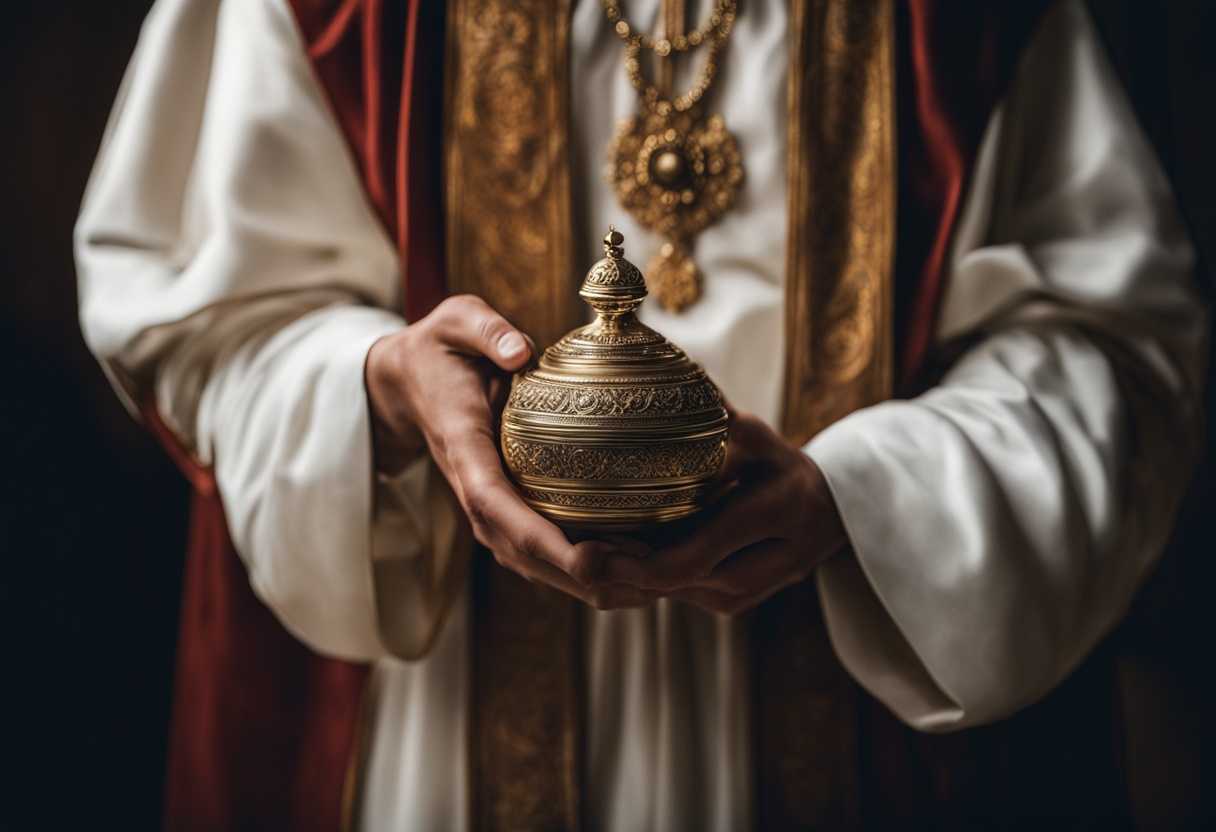
Setting the Scene for Leviticus 10:10
The scene in Leviticus 10:10 takes place in the Tabernacle, a sacred tent where the Israelites worship and offer sacrifices to God. Aaron, the high priest, and his sons, Nadab and Abihu, are present in this particular moment. They have recently been consecrated as priests and are learning their duties and responsibilities in serving God.
The surroundings are filled with the smell of burning incense and the sound of prayers being offered up to the Lord. The Tabernacle is adorned with intricate tapestries and golden furnishings, creating a sense of reverence and holiness in the air. Aaron, as the high priest, is instructing his sons on the proper way to handle the offerings and sacrifices according to the laws given by God to Moses.
Nadab and Abihu, in their eagerness to serve God, make a grave mistake by offering unauthorized fire before the Lord, which results in a swift and severe punishment from God. This scene serves as a powerful reminder of the importance of following God’s commands and honoring Him with reverence and obedience in all aspects of worship.
What is Leviticus 10:10 about?
Leviticus 10:10 delivers a profound message about distinguishing between what is sacred and what is ordinary. Understanding the difference between the holy and the common is essential as we navigate our lives. This verse serves as a reminder to maintain this distinction and honor the sanctity of the sacred while not letting it blend into the mundane.
When we reflect on this verse, we are prompted to question: What elements in our lives do we consider holy or special, and how do we treat them differently? How can we ensure that we give sufficient respect to the things that hold deeper meanings or symbolic significance? We can cultivate a mindset of mindfulness and intentionality in recognizing and respecting the sacred aspects of our lives by internalizing the message of Leviticus 10:10.
Understanding what Leviticus 10:10 really means
Leviticus 10:10, nestled within the Old Testament book of Leviticus, serves as a poignant reminder to the Israelites, particularly the priests, about the importance of distinguishing between the holy and the common, the unclean and the clean. This verse emerges in the aftermath of a tragic event involving Aaron’s sons, Nadab and Abihu, underscoring the gravity of maintaining holiness before God. The call to “distinguish between the holy and the common” urges a deliberate recognition of what is sacred and consecrated for divine purposes, contrasting it with the mundane and secular aspects of life.
Moreover, the directive to discern “between the unclean and the clean” underscores the significance of purity, both in a physical and spiritual sense. This mandate was crucial for upholding the sanctity of the community and fostering a deep reverence for God. In a broader biblical context, Leviticus 10:10 finds resonance in other passages such as 1 Peter 1:16, which echoes the timeless call to holiness, and Romans 12:2, which emphasizes the transformation of one’s mind to align with God’s will.
In a contemporary setting where ethical boundaries can often appear blurred, Leviticus 10:10 remains relevant, urging individuals to navigate life with clarity and discernment. It challenges us to live intentionally, recognizing the sacredness inherent in our daily choices, relationships, and actions. Just as a doctor must differentiate between healthy and diseased cells to provide effective treatment, we are called to discern between spiritually enriching and detrimental aspects of our lives to nurture our spiritual well-being.
Consider a personal anecdote where a friend grappled with balancing work and family commitments. By delineating clear boundaries and prioritizing time with family, he experienced a profound sense of fulfillment and peace. This narrative underscores the significance of distinguishing between what is truly valuable (the holy) and what is merely commonplace, illustrating the transformative power of intentional living. Leviticus 10:10, therefore, beckons us to emulate this discernment in our own lives, ensuring that our choices and actions reflect a commitment to honoring God.
In conclusion, Leviticus 10:10 stands as a timeless exhortation to live with wisdom and integrity, discerning the sacred threads woven into the fabric of our existence. By embracing this principle of differentiation, we can navigate the complexities of modern life with grace and purpose, embodying a steadfast dedication to holiness in all facets of our being.
How can we distinguish between the holy and unholy?
God instructs Aaron in Leviticus 10:10 to distinguish between the holy and the unholy, the clean and the unclean. This implies that one must discern between what is deemed sacred and pure in the eyes of God, and what is considered profane or impure. The verse emphasizes the importance of maintaining this distinction in all aspects of life, both in terms of physical cleanliness and spiritual purity.
To distinguish between the holy and unholy, one must adhere to God’s commandments and laws as outlined in the Bible. This involves living a righteous and moral life in accordance with God’s teachings, and avoiding actions or behaviors that are contrary to His will. Developing the discernment needed to recognize and uphold the difference between what is holy and unholy in God’s sight can be achieved by seeking to understand and follow God’s word. A heart and mind devoted to God and His ways ultimately distinguish between the holy and unholy. It involves a commitment to living a life of faith, obedience, and purity, while shunning sin and ungodliness. One can develop the clarity and discernment needed to uphold the distinctions between the holy and unholy in their thoughts, words, and actions by cultivating a strong relationship with God through prayer, study of Scripture, and regular fellowship with fellow believers.
Application
Embrace the call to uphold righteousness, to discern between the sacred and the profane in your choices. Let the words of Leviticus 10:10 fuel a transformation within you, guiding you towards a path of holiness and obedience. Will you heed this divine directive in your journey with the Lord?

Reverend Michael Johnson is an experienced Church Minister with a profound expertise in spirituality and guidance. With a serene presence and a compassionate heart, he has faithfully served his congregation for over 20 years, leading them on a spiritual journey towards inner peace and enlightenment. Reverend Johnson’s extensive knowledge of religious philosophies and profound understanding of human nature have made him a trusted confidant and mentor to many, as he seamlessly weaves his profound wisdom into life teachings. Reverend Johnson’s calming demeanor and empathetic nature continue to uplift and heal souls, nurturing a sense of unity and tranquility within his community.