
Leviticus 18:24-25 is about God warning the Israelites that the land will vomit out its inhabitants if they defile themselves with the abominable practices of the nations before them.
24 “Do not make yourselves unclean by any of these things, for by all these the nations I am driving out before you have become unclean,
25 And the land became unclean, so that I punished its iniquity, and the land vomited out its inhabitants.
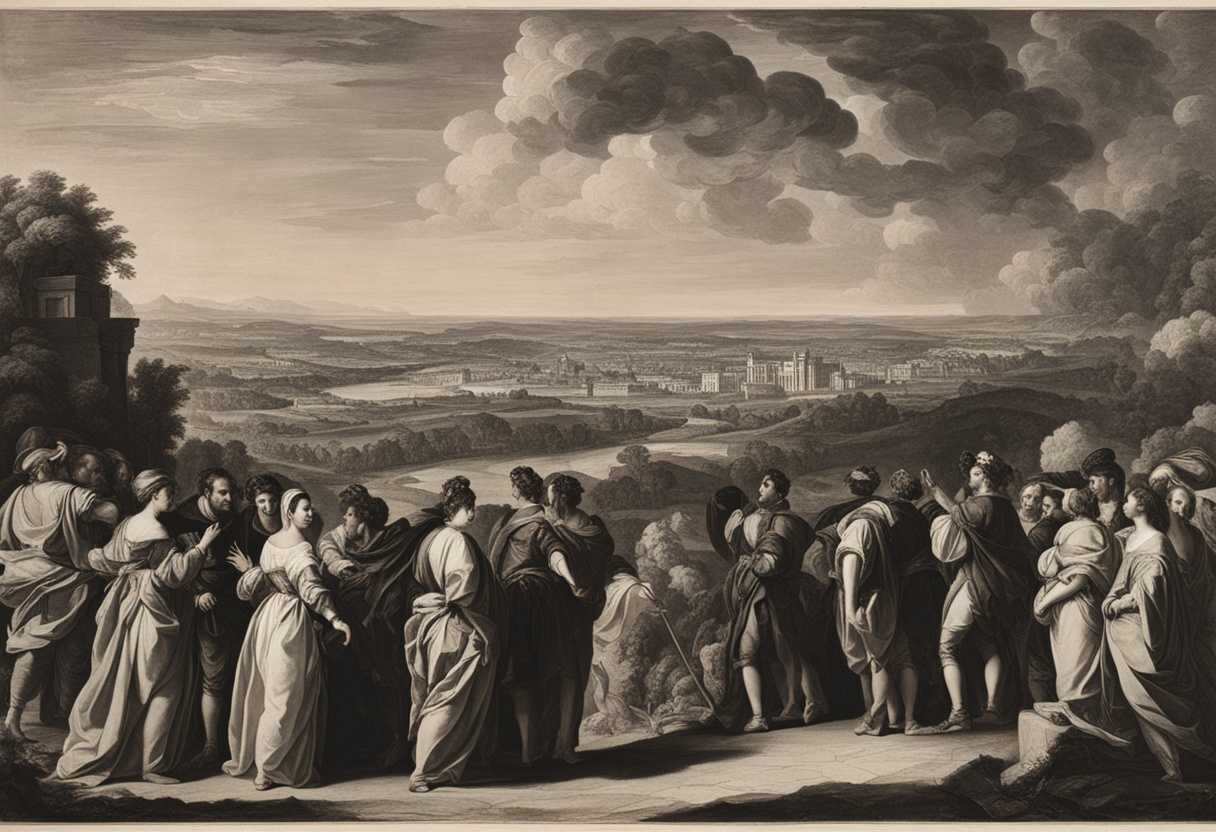
Setting the Scene for Leviticus 18:24-25
In the scene described in Leviticus 18:24-25, the setting is the land of Canaan, a place that the Israelites have been led to by Moses after their exodus from Egypt. The Israelites, led by Moses, have been wandering in the wilderness for years, and they are now on the cusp of entering the promised land of Canaan. The land of Canaan is described as a land flowing with milk and honey, a fertile and abundant land that God has promised to give to the Israelites as their inheritance.
As the Israelites stand on the border of Canaan, Moses addresses them, reminding them of the laws and commandments that God has given them to follow. He warns them that the current inhabitants of the land, the Canaanites, have defiled the land with their detestable practices, including idolatry, immorality, and other sins. Moses emphasizes that the land itself has become unclean because of the sins of its inhabitants, and if the Israelites follow in their ways, they too will be vomited out of the land, just as the Canaanites are about to be expelled.
The scene is tense and solemn, as the Israelites are reminded of the importance of following God’s laws and living in obedience to Him as they prepare to enter the promised land. The surroundings are described as lush and fertile, a stark contrast to the spiritual defilement that has taken place in the land. Moses’s words serve as a warning and a call to holiness for the Israelites as they stand on the threshold of their new home.
What is Leviticus 18:24-25 about?
This verse speaks to the consequences of disobeying God’s will and living in sin. Just like a land can become polluted and barren due to recklessness and neglect, our lives can also become spiritually impoverished when we indulge in sinful behavior. The idea of defiling the land symbolizes the destructive impact that our actions can have on our relationships with ourselves, others, and ultimately with God. It serves as a stark reminder that our choices have consequences that can impact not just ourselves but also the world around us.
Think about it – when we engage in behaviors that go against God’s teachings, we are essentially polluting our souls and distancing ourselves from His grace and love. We create barriers between us and God by defiling the land with sin, hindering our spiritual growth and fulfillment. This verse encourages us to reflect on our actions and strive to live in alignment with God’s will, ensuring that our lives and surroundings remain pure and prosperous. Let’s consider how we can cultivate a spiritual environment that is nourished by goodness and righteousness, rather than one that is tainted by sin and disobedience.
Understanding what Leviticus 18:24-25 really means
Leviticus 18:24-25, nestled within a section of laws concerning sexual conduct and moral behavior, serves as a poignant reminder of the significance of upholding spiritual and moral purity. The phrase “Do not defile yourselves” resonates with a call to steer clear of behaviors deemed sinful and contrary to God’s decrees. Defilement, in this context, signifies engaging in actions that transgress divine commandments, highlighting the necessity of adhering to a higher standard of righteousness. Moreover, the mention of the nations preceding the Israelites being expelled due to their defilement serves as a cautionary tale, illustrating the repercussions of straying from God’s path.
“The land was defiled; so I punished it for its sin” underscores the notion of collective responsibility, emphasizing that sin can have far-reaching consequences, impacting not only individuals but entire communities and even the land itself. This collective accountability echoes throughout related biblical passages such as Romans 1:24-27, where Paul discusses the consequences of forsaking God’s truth for falsehood, leading to moral and spiritual degradation. Similarly, in 1 Corinthians 6:18-20, believers are urged to flee from sexual immorality, recognizing their bodies as temples of the Holy Spirit, aligning with the imperative to shun defilement and uphold purity.
The enduring relevance of these verses is striking, particularly in a contemporary landscape marked by moral relativism. They serve as a timeless beacon, guiding individuals to adhere to God’s unchanging standards amidst shifting societal norms. The concept of sin’s impact on communities and the interconnected nature of our actions reverberate strongly in today’s world. Just as the defilement of the land in Leviticus affected the entire nation, our choices can have profound implications, extending beyond ourselves to influence those around us.
Consider a small town where communal pride in cleanliness and beauty prevails. As a few individuals begin littering and neglecting their properties, a ripple effect ensues, tarnishing the once pristine town. This decline, stemming from individual actions, mirrors the broader theme of Leviticus 18:24-25, illustrating how personal choices can reverberate throughout a community. The narrative of the town’s deterioration serves as a tangible reminder of the interconnectedness of our actions and their potential impact on the collective well-being.
In conclusion, Leviticus 18:24-25 stands as a poignant exhortation to uphold moral and spiritual purity, prompting introspection on the repercussions of our conduct. It beckons us to live in a manner that honors God’s precepts and fosters communal flourishing, underscoring the enduring relevance of these ancient teachings in navigating the complexities of contemporary ethical dilemmas.
How does God view our actions and choices?
God views our actions and choices as significant and consequential. Our decisions have real impact and can either align us with God’s ways or lead us astray. When we choose to follow God’s commandments and live in obedience to His will, we are walking in righteousness and honoring Him. On the other hand, when we choose to indulge in sinful behaviors and disobedience, we are going against God’s design and inviting consequences into our lives. God ultimately desires us to live in alignment with His principles and lead a life that reflects His holiness. Our choices matter to God because they reveal the condition of our hearts and demonstrate our commitment to Him. We demonstrate our love and reverence for God by seeking to make choices that honor Him, inviting His blessings and favor into our lives. God calls us to walk in obedience and make choices that are pleasing in His sight, knowing that our decisions have eternal significance.
Application
Are you ready to rise above the noise of the world and heed the divine call of higher purpose? Let’s align our actions with our beliefs, embodying the values of love and righteousness in every corner of our lives. Let’s be bold in our faith, shaping our thoughts and deeds by the timeless wisdom found in the sacred texts. Today, let’s commit to being the shining beacons of light amidst the darkness, showing the world what it truly means to live a life that honors the Divine. Will you join me in this journey towards spiritual growth and fulfillment?

Reverend Michael Johnson is an experienced Church Minister with a profound expertise in spirituality and guidance. With a serene presence and a compassionate heart, he has faithfully served his congregation for over 20 years, leading them on a spiritual journey towards inner peace and enlightenment. Reverend Johnson’s extensive knowledge of religious philosophies and profound understanding of human nature have made him a trusted confidant and mentor to many, as he seamlessly weaves his profound wisdom into life teachings. Reverend Johnson’s calming demeanor and empathetic nature continue to uplift and heal souls, nurturing a sense of unity and tranquility within his community.