
Leviticus 19:27 is about the prohibition against shaving the hair on the sides of one’s head or trimming the edges of one’s beard as a way to maintain the distinctiveness and holiness of the Israelites as God’s chosen people.
27 You shall not round off the hair on your temples or mar the edges of your beard.
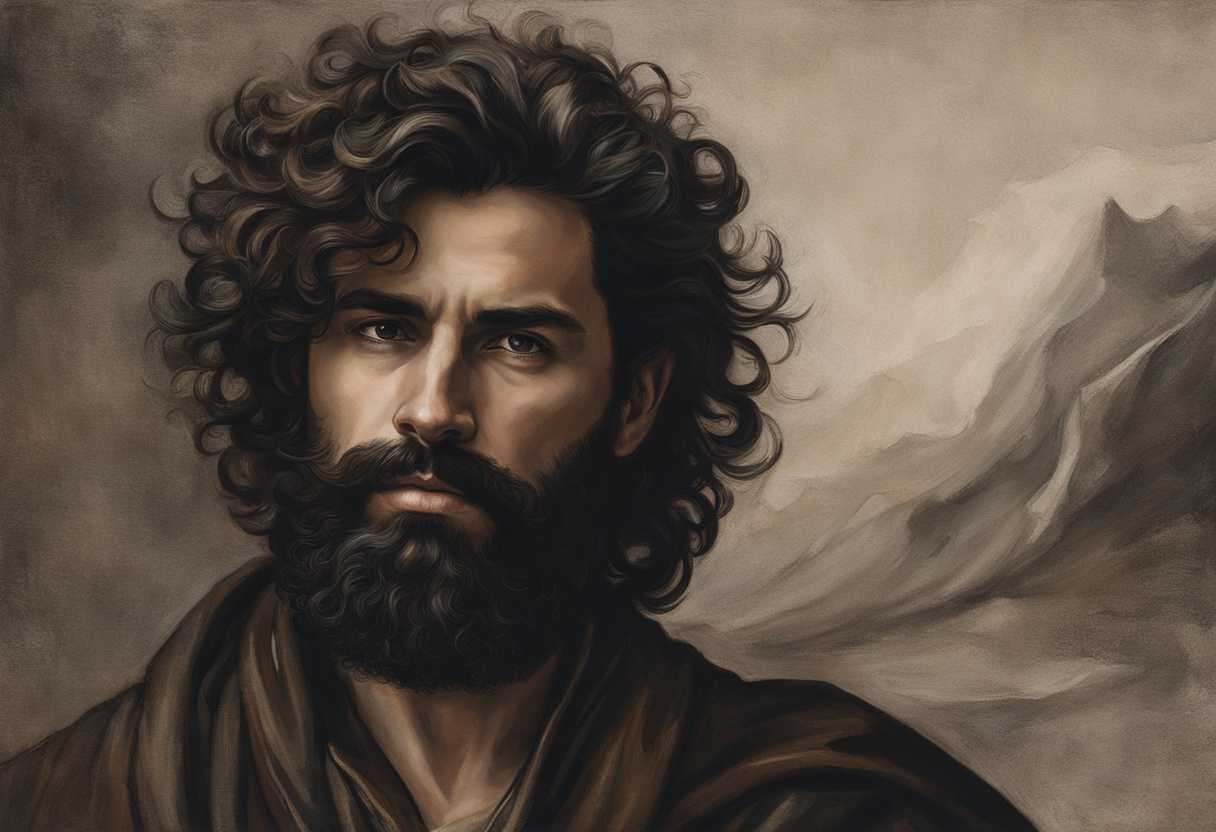
Setting the Scene for Leviticus 19:27
In Leviticus chapter 19, we find a group of Israelites gathered in the courtyard of the Tabernacle. The scene is set in the early morning, with the sun just beginning to rise, casting a warm glow over the area. The courtyard is bustling with activity as people come to offer sacrifices and seek guidance from the priests.
Among the crowd, we see Moses, the revered leader of the Israelites, dressed in his traditional robes and speaking with a group of elders. Nearby, Aaron, the high priest, is preparing to enter the Holy of Holies to make atonement for the sins of the people. The air is filled with the sound of prayers and the smell of incense burning on the altar.
As the people gather, Moses begins to address them, reminding them of the laws and commandments given to them by the Lord. He emphasizes the importance of holiness and obedience, instructing them to “not cut the hair at the sides of your head or clip off the edges of your beard” (Leviticus 19:27). The people listen attentively, eager to follow the teachings of their God and live in accordance with His will.
What is Leviticus 19:27 about?
The text in this verse instructs us not to cut the hair at the sides of our heads or trim the edges of our beards. This directive may seem specific and unusual to some, but within certain religious or cultural contexts, such as in some interpretations of religious texts like the Bible or the Quran, it holds significance. It may symbolize a form of respect, adherence to tradition, or a way to demonstrate devotion to one’s faith.
When we come across verses like this, it’s essential to consider the historical and cultural context in which they were written. Understanding the reasoning behind such instructions can help us appreciate the depth of meaning they hold for those who follow them. Reflecting on why specific guidelines are given can also prompt us to consider the significance of rituals, symbols, and traditions in our own lives and the lives of others. What cultural practices or beliefs do we hold dear, and what value do they bring to our lives? Let’s approach verses like this with curiosity and a willingness to learn from different perspectives as we explore them. While the instructions may not align with our personal beliefs or practices, we can still gain insight into the diverse ways in which people express their spirituality and cultural identity. Let’s use these unique teachings as an opportunity to broaden our understanding and deepen our respect for the customs and traditions of others.
Understanding what Leviticus 19:27 really means
Leviticus 19:27, nestled within the Holiness Code of Leviticus, delves into the intricate details of grooming practices that were not merely about physical appearance but held profound spiritual significance for the Israelites. In a world where external appearances often reflect deeper beliefs and values, these grooming laws served as a visible marker of the Israelites’ commitment to their faith and their separation from the practices of surrounding nations. The prohibition against cutting the hair at the sides of the head and clipping off the edges of the beard may seem like trivial instructions to modern readers, but they were pivotal in reinforcing the Israelites’ unique identity as God’s chosen people.
Continuing the theme of distinctiveness, Leviticus 19:28 extends the call for separation by forbidding tattoos and body markings, further emphasizing the importance of maintaining a pure and unblemished body as a reflection of one’s devotion to God. This notion of bodily purity and honoring God with one’s physical form is echoed in the New Testament, where Paul, in 1 Corinthians 6:19-20, underscores the idea of the body as a temple of the Holy Spirit, urging believers to treat their bodies with reverence and respect.
The relevance of Leviticus 19:27 extends beyond ancient Israel to contemporary Christian living, challenging believers to consider how their outward appearance and grooming practices reflect their inner convictions and commitment to God. Just as the Israelites were called to be set apart from the nations around them, Christians are called to live lives that bear witness to their faith in a world that often promotes conformity over conviction. This verse serves as a reminder that holiness is not confined to religious rituals but permeates every aspect of life, including seemingly mundane activities like grooming.
In a world where cultural influences and societal pressures constantly vie for our attention and conformity, the principles underlying Leviticus 19:27 remain pertinent. By understanding the historical and cultural context behind these grooming laws, we can glean valuable insights into the importance of maintaining a distinct identity as followers of Christ. Just as the Israelites’ grooming practices were a daily reminder of their covenant with God, our choices in how we present ourselves can serve as a tangible expression of our commitment to living in a way that honors and glorifies God.
So, the next time you consider your grooming routine or how you present yourself to the world, remember the profound message behind Leviticus 19:27. It’s not just about outward appearances; it’s about embodying a faith that sets you apart, a faith that honors God in all aspects of your life.
What role should physical appearance play in spirituality?
Physical appearance should not be the focus of one’s spirituality. The verse in Leviticus 19:27 reminds us that outward appearances are not what truly matter in the eyes of God. It is the inner qualities, such as one’s character, actions, and intentions, that hold significant value in spiritual growth and connection with the divine. While personal grooming and hygiene are important for self-care and respect, they should not become a heavy burden or distraction from the true essence of spirituality.
Through this verse, we are reminded to prioritize the development of our inner selves rather than fixating on our outward appearances. We can deepen our spiritual connection and lead a more fulfilling and meaningful life by focusing on cultivating virtues such as kindness, compassion, humility, and love. Our physical appearance should not overshadow the importance of nurturing our spiritual well-being and embodying the values that reflect our faith and beliefs.
Application
Dear fellow believer, embrace Leviticus 19:27 as a guiding light, reminding us of our sacred duty to honor our bodies as vessels of the divine. Just as we care for our work with dedication and our families with love, let us extend that care to our physical selves. By aligning our inner devotion with our outward appearance, we manifest the divine within us. How will you show reverence for your temple today?

Reverend Michael Johnson is an experienced Church Minister with a profound expertise in spirituality and guidance. With a serene presence and a compassionate heart, he has faithfully served his congregation for over 20 years, leading them on a spiritual journey towards inner peace and enlightenment. Reverend Johnson’s extensive knowledge of religious philosophies and profound understanding of human nature have made him a trusted confidant and mentor to many, as he seamlessly weaves his profound wisdom into life teachings. Reverend Johnson’s calming demeanor and empathetic nature continue to uplift and heal souls, nurturing a sense of unity and tranquility within his community.