
is about the consequences of practicing detestable customs, such as sacrificing children to Molech, and emphasizes the severity of God’s judgment on those who disobey His commandments.
2 “Say to the people of Israel, Any one of the people of Israel or of the strangers who sojourn in Israel who gives any of his children to Molech shall surely be put to death. The people of the land shall stone him with stones.
2 “Say to the people of Israel, Any one of the people of Israel or of the strangers who sojourn in Israel who gives any of his children to Molech shall surely be put to death. The people of the land shall stone him with stones.
3 I myself will set my face against that man and will cut him off from among his people, because he has given one of his children to Molech, to make my sanctuary unclean and to profane my holy name.
4 If the people of the land do at all close their eyes to that man when he gives one of his children to Molech, and do not put him to death,
5 then I will set my face against that man and against his clan and will cut them off from among their people, him and all who follow him in whoring after Molech.
6 “If a person turns to mediums and necromancers, whoring after them, I will set my face against that person and will cut him off from among his people.
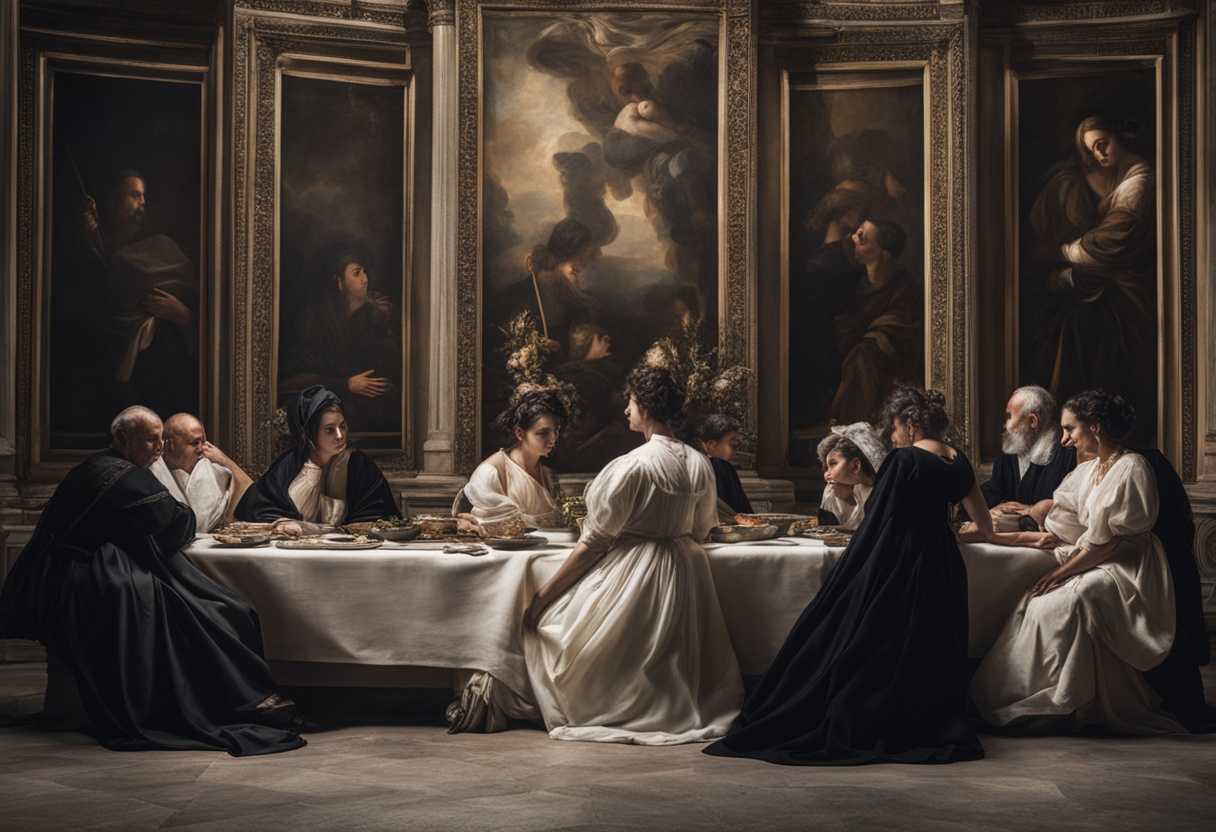
Setting the Scene for Leviticus 20:1-6
The scene in Leviticus 20:1-6 takes place in the camp of the Israelites during their journey through the wilderness after their exodus from Egypt. The camp is set up according to the instructions given by God to Moses, with the tabernacle at its center and the twelve tribes arranged around it. The people have been living in close quarters, following the laws and regulations outlined in the book of Leviticus to maintain their holiness and purity before God.
In this particular scene, Moses is standing before the congregation, with Aaron the high priest by his side. The elders of Israel are gathered around, along with the Levites and other leaders. The atmosphere is tense as Moses begins to address the people about the consequences of disobeying God’s commandments. The seriousness of the situation is palpable, as Moses recounts the laws regarding the punishment for various sins, including idolatry, witchcraft, and dishonoring one’s parents.
As Moses speaks, the people listen intently, knowing that their obedience to God’s laws is crucial for their survival and success in the Promised Land. The weight of their responsibility as God’s chosen people hangs heavy in the air, as they are reminded of the importance of upholding the covenant they made with the Lord. The scene serves as a sobering reminder of the consequences of sin and the need for repentance and obedience in order to remain in God’s favor.
What is Leviticus 20:1-6 about?
The verse clearly condemns the practice of sacrificing children to the idol Molech. The act of sacrificing children was barbaric and went against the moral principles that God had established for the Israelites. God’s command for severe punishment for those who engaged in such abhorrent practices demonstrates the seriousness with which he views the protection of innocent life. Teachers often discuss the importance of upholding values that promote respect for human life and dignity. This verse underscores the idea that every individual, regardless of age or circumstance, deserves to be protected and valued. It prompts us to reflect on the ways in which we can create a safe and nurturing environment for all children in our care, ensuring that they are shielded from harm and treated with compassion and kindness.
Imagine the strength and courage it must have taken for the Israelites to confront and eradicate such a deeply ingrained and monstrous practice in their society. This verse serves as a call for us to stand up against injustice and protect the most vulnerable among us. It challenges us to examine our own beliefs and actions to ensure that we are upholding the sanctity of life and following the ethical principles that guide us in our interactions with others.
Understanding what Leviticus 20:1-6 really means
Leviticus, a book of laws given to the Israelites, serves as a guide for living in holiness and maintaining a proper relationship with God and others. Chapter 20 delves into the consequences for various sins, emphasizing the gravity of upholding purity and sanctity. One key phrase in this passage condemns the act of sacrificing children to Molek, a pagan deity, highlighting the prohibition against such abhorrent practices and emphasizing the sanctity of life. The severe language used, such as God setting His face against the offender and cutting them off from the community, underscores the divine judgment and separation that result from such heinous acts.
The connection between child sacrifice and the defilement of God’s sanctuary and holy name is made explicit in Leviticus 20:1-6, illustrating the deep offense it causes to God. This prohibition against child sacrifice is reiterated in other biblical passages like Deuteronomy 18:10-12, Jeremiah 32:35, and Psalm 106:37-38, emphasizing the consistency of God’s stance against such detestable practices throughout Scripture. These verses serve as a historical and moral compass, guiding believers on the path of righteousness and underscoring the severity of actions that go against God’s will.
The relevance of this passage extends to contemporary society, urging individuals to value human life, reject dehumanizing practices, and steer clear of idolatry in all its forms. In a world where materialism, power, and other modern idols can take precedence over spiritual values, the call to uphold holiness and reject practices that harm others remains pertinent. The timeless principle of community accountability and the weightiness of sin serve as a sobering reminder of the impact our actions have on our relationship with God and our fellow human beings.
To illustrate the application of these principles, envision a scenario where someone stands against a prevalent harmful practice, risking their own well-being for the sake of justice and integrity. This act of courage and moral fortitude can inspire others to value human dignity and oppose actions that cause harm, mirroring the call in Leviticus to reject child sacrifice and uphold holiness. Leviticus 20:1-6, therefore, stands as a poignant reminder of the sanctity of life, the imperative of shunning idolatry, and the necessity of communal accountability. It beckons us to live in a manner that honors God and upholds the dignity of every individual, a timeless message that resonates profoundly in today’s world.
How can we ensure we are living holy lives?
To ensure we are living holy lives according to the meaning of this verse in Leviticus, we must follow the commandments and statutes outlined in the Bible. This involves maintaining a strong connection with God through prayer, reading the scriptures, and seeking guidance from spiritual leaders. We can strive to live in a way that honors God and reflects his holiness by constantly seeking to align our thoughts, words, and actions with his will.
Living a holy life also involves making conscious choices to avoid sin and temptation. This may require making sacrifices and setting boundaries to protect ourselves from influences that lead us away from God. We can strengthen our faith and live in accordance with the standards of holiness set forth in the Bible by practicing self-discipline and cultivating a heart of obedience.
Additionally, engaging in acts of worship, service, and love towards others can help us live holy lives. We can embody the values of righteousness and holiness that are pleasing to God by showing kindness, compassion, and humility to those around us. Through these actions, we can reflect the light of God’s love and grace to the world, inspiring others to seek after holiness and deepen their relationship with Him.
Application
Let God’s message in Leviticus 20:1-6 awaken your spirit today. Break free from the chains of worldly distractions and cleanse your soul from all that tarnishes your connection with God. Choose the path of righteousness and stand firm against the influences that try to pull you away from His light. Will you dare to remove the barriers blocking the way to a deeper bond with the Divine?

Reverend Michael Johnson is an experienced Church Minister with a profound expertise in spirituality and guidance. With a serene presence and a compassionate heart, he has faithfully served his congregation for over 20 years, leading them on a spiritual journey towards inner peace and enlightenment. Reverend Johnson’s extensive knowledge of religious philosophies and profound understanding of human nature have made him a trusted confidant and mentor to many, as he seamlessly weaves his profound wisdom into life teachings. Reverend Johnson’s calming demeanor and empathetic nature continue to uplift and heal souls, nurturing a sense of unity and tranquility within his community.