
Leviticus 22:24 is about emphasizing that any animal offered as a sacrifice must be without defect, symbolizing the requirement to present our best and purest selves in service to God.
24 You shall not offer to the Lord anything that has its testicles bruised or crushed or torn or cut. You shall not do it.
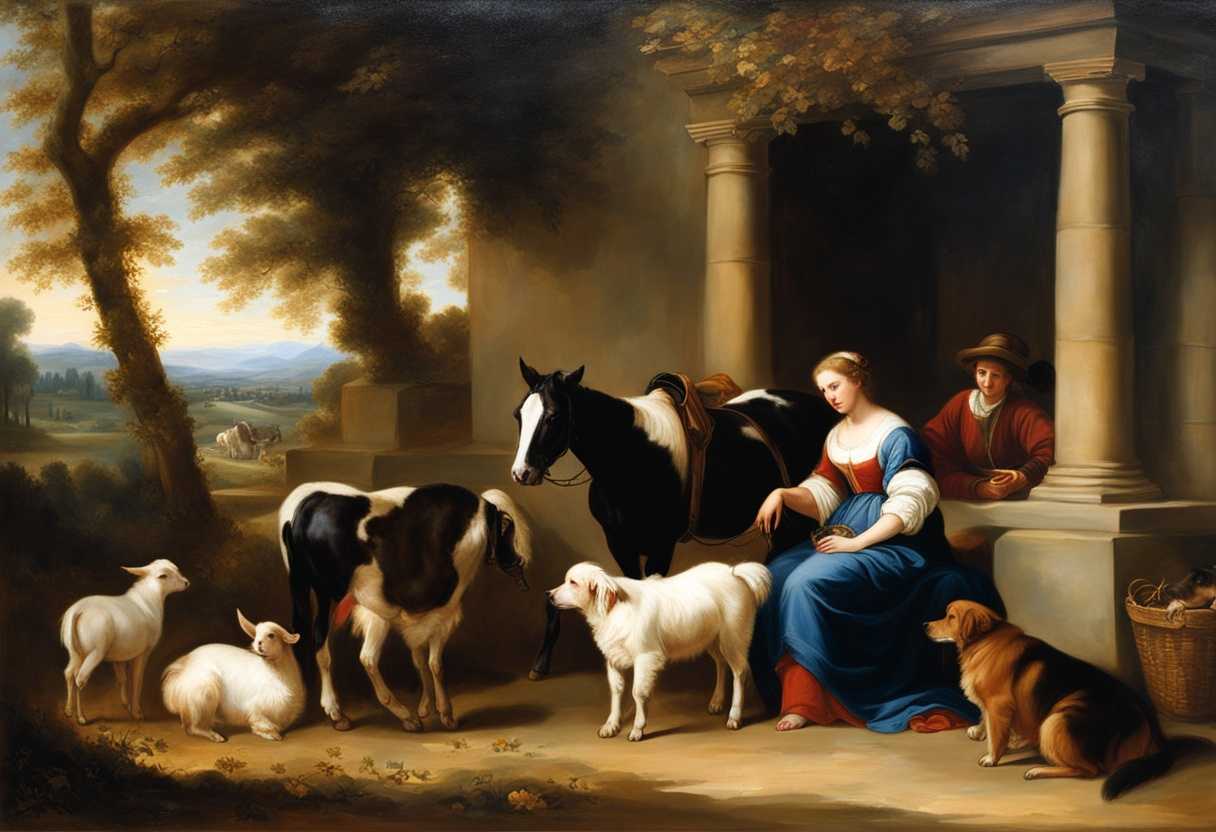
Setting the Scene for Leviticus 22:24
In Leviticus chapter 22, we find a scene set in the ancient Israelite camp during the time of Moses. The Israelites have recently been freed from slavery in Egypt and are now wandering in the wilderness on their way to the Promised Land. The camp is bustling with activity as families set up their tents, children play in the dusty streets, and livestock are tended to in pens.
In this particular scene, we see Moses, the revered leader of the Israelites, standing near the entrance of the tabernacle. He is surrounded by a group of priests, including Aaron and his sons, who are dressed in their sacred garments. They are discussing the laws and regulations outlined in Leviticus 22 regarding the proper way to offer sacrifices to the Lord. The air is filled with the smell of incense and the sound of prayers being lifted up to heaven.
As the sun begins to set, the camp grows quiet as the Israelites prepare for the evening sacrifice. The flickering light of the oil lamps illuminates the faces of the worshippers as they gather around the altar, ready to present their offerings to the Lord. It is a solemn and sacred moment, as the people seek to honor God and seek His favor as they continue their journey through the wilderness.
What is Leviticus 22:24 about?
The verse discusses presenting animals with defects for sacrifice to God. It signifies the importance of offering one’s best and highest quality to the Divine. Just like we wouldn’t want to receive a flawed or imperfect gift from someone we care about, God deserves offerings that are pure and unblemished. It encourages us to strive for excellence and to give our best in all aspects of our life, including our spiritual practices.
Have you ever thought about the significance of the quality of your offerings to God? How does the concept of presenting unblemished animals for sacrifice reflect the value of giving our best to the Divine? This verse invites us to contemplate the depth of our devotion and dedication to spiritual practices by emphasizing the importance of offering the finest goods. It challenges us to reflect on whether we are truly giving our all in our worship and service to God.
Understanding what Leviticus 22:24 really means
Leviticus 22:24, nestled within the Holiness Code of Leviticus, serves as a poignant reminder of the standards of purity and perfection required in offerings presented to God. The verse delves into the meticulous details of what is acceptable to offer, highlighting the importance of presenting unblemished sacrifices to the Lord. This emphasis on offering the best to God resonates throughout various biblical passages, such as Malachi 1:8, which critiques offering subpar sacrifices, and Romans 12:1, where believers are urged to present themselves as living sacrifices, holy and pleasing to God.
The relevance of Leviticus 22:24 extends beyond ancient sacrificial practices, speaking directly to the integrity and excellence expected in our worship and service today. Just as the Israelites were called to offer unblemished sacrifices, we are called to give our best in all aspects of our lives as an act of honoring God. This principle of personal excellence challenges us to strive for the highest standard in our daily endeavors, reflecting a commitment to honoring God through our actions and attitudes.
The concept of spiritual purity, emphasized in Leviticus 22:24, serves as a poignant reminder of the need to maintain integrity in our relationship with God. The call to present unblemished offerings can be seen as a metaphor for the purity and sincerity required in our worship and devotion. It prompts us to examine the quality of our offerings to God, whether they be acts of service, worship, or the way we conduct ourselves in our daily lives.
Consider the image of a child crafting a handmade gift for a parent with love and dedication. The value of the gift lies not in its material worth but in the sincerity and effort poured into it. Similarly, God treasures the purity and authenticity of our offerings, cherishing the heart behind our actions and the integrity of our worship. This analogy underscores the significance of presenting our best to God, reflecting a heart that is devoted and pure in its intentions.
The detailed directives in Leviticus 22:24, such as the prohibition against offering animals with bruised or damaged testicles, symbolize the need for wholehearted and unblemished offerings to God. This requirement underscores the importance of purity and integrity in what we present to the Lord, emphasizing the value of offering our best in every aspect of our lives. The directive to maintain these standards not only during specific rituals but consistently in our daily lives reinforces the idea that holiness is a way of life, permeating every facet of our existence.
By internalizing the principles encapsulated in Leviticus 22:24 and applying them to our lives, we can cultivate a spirit of holiness and integrity that aligns with God’s desires. Our offerings—whether they be our time, talents, or treasures—become a reflection of our commitment to honoring God with excellence and sincerity, ensuring that what we present to Him is truly pleasing and acceptable in His sight.
How can we offer our best to God?
We can offer our best to God by presenting Him with offerings that are without blemish or defect. We can apply this principle in our own lives by giving our best to God in everything we do, just as the verse instructs to offer animals for sacrifice that are perfect and unblemished. This means putting in our maximum effort, giving generously, and striving for excellence in our actions and service to Him.
Additionally, we can offer our best to God by having a pure and sincere heart. God does not just look at outward appearances, but He also sees our motivations and intentions. We can offer ourselves as a living sacrifice, holy and pleasing to God, by approaching Him with a genuine desire to please Him and with a heart filled with love, faith, and devotion. Our attitudes, thoughts, and the condition of our hearts are also involved in offering our best to God, not just external actions or material offerings. We can be confident that our offerings are acceptable and pleasing in His sight as we strive to live a life that is pleasing to God in all aspects.
Application
Dear reader, just as we strive for excellence in our careers and show love and dedication to our families, let’s also present our best to the Lord. Let’s offer Him our all, without holding back, in every aspect of our lives. Our efforts should be unblemished, reflecting our utmost respect and admiration for Him. Are we truly giving our best to the Lord, just as we do in other areas of our lives?

Reverend Michael Johnson is an experienced Church Minister with a profound expertise in spirituality and guidance. With a serene presence and a compassionate heart, he has faithfully served his congregation for over 20 years, leading them on a spiritual journey towards inner peace and enlightenment. Reverend Johnson’s extensive knowledge of religious philosophies and profound understanding of human nature have made him a trusted confidant and mentor to many, as he seamlessly weaves his profound wisdom into life teachings. Reverend Johnson’s calming demeanor and empathetic nature continue to uplift and heal souls, nurturing a sense of unity and tranquility within his community.