
Leviticus 22:26-30 is about the importance of honoring God with offerings that are pure and unblemished, reflecting the reverence and respect one should have for the Lord in all aspects of worship and service.
26 And the Lord spoke to Moses, saying,
27 “When an ox or sheep or goat is born, it shall remain seven days with its mother, and from the eighth day on it shall be acceptable as a food offering to the Lord.
28 But you shall not kill an ox or a sheep and her young in one day.
29 “When you offer a sacrifice of thanksgiving to the Lord, offer it in a way that you may be accepted.
30 So you shall keep my commandments and do them: I am the Lord.
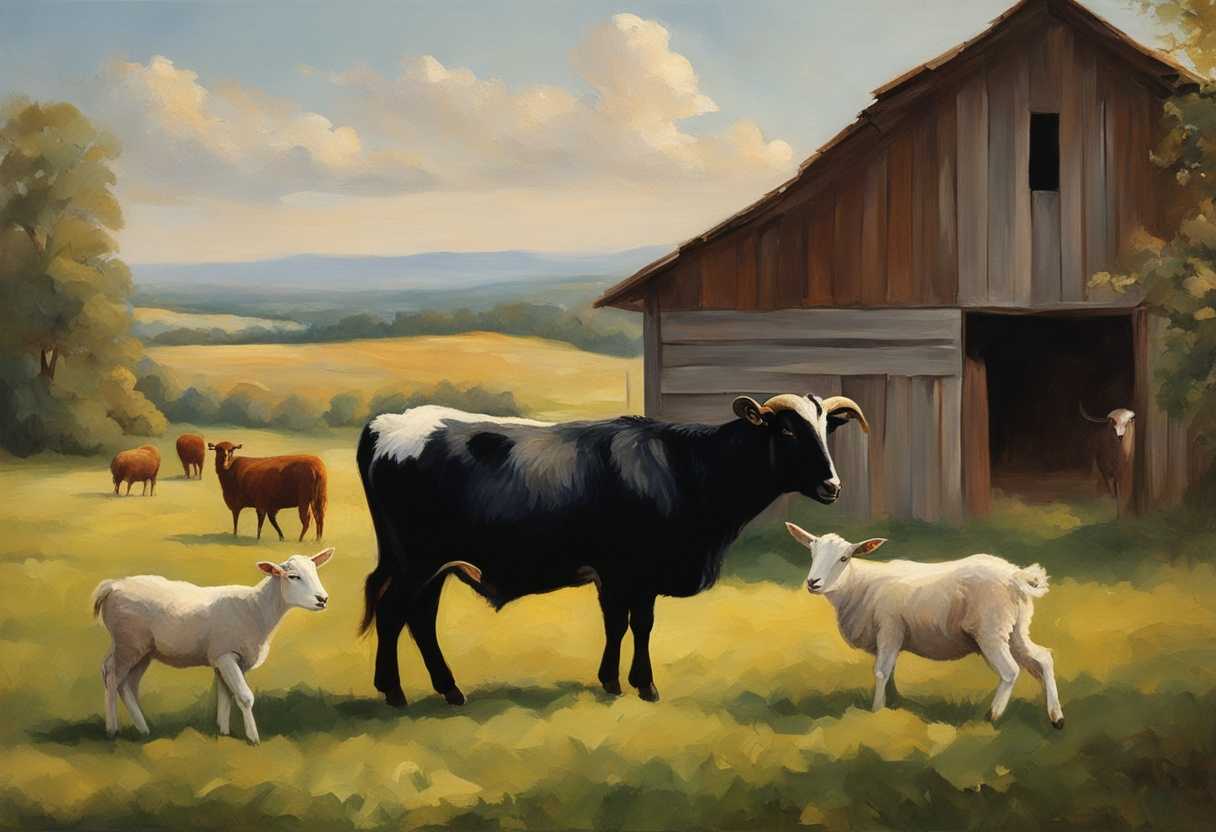
Setting the Scene for Leviticus 22:26-30
In the setting of Leviticus 22:26-30, we find the Israelites gathered at the entrance of the Tabernacle in the wilderness. The scene is filled with a sense of reverence and holiness as they prepare to offer sacrifices to the Lord. The air is filled with the scent of incense and the sound of prayers being lifted up to heaven.
Among the people present are the priests, who have been consecrated to serve in the Tabernacle. They are dressed in their sacred garments, ready to officiate the sacrifices according to the laws given by God to Moses. The animals for the offerings are also present, chosen carefully according to the specifications outlined in the book of Leviticus.
As the people watch, the priests carefully inspect each animal to ensure it is without blemish, as required by the Lord. The scene is a solemn reminder of the Israelites’ commitment to obeying God’s commandments and seeking His forgiveness through the sacrificial system. The atmosphere is one of both awe and gratitude as the people witness the rituals that symbolize their relationship with the Almighty.
What is Leviticus 22:26-30 about?
The focus in this verse is on presenting acceptable sacrifices to the Lord. The passage emphasizes the importance of offering unblemished animals as sacrifices, symbolizing the concept of giving our best to God. This requirement highlights the idea of giving wholeheartedly and with sincerity, showing a deep respect and reverence for the Lord.
Additionally, the verse mentions the significance of thanksgiving in the sacrifices. This underscores the importance of expressing gratitude to God for all He has done for us, showcasing a heart filled with appreciation and praise. Furthermore, obedience is highlighted as a crucial aspect of acceptable sacrifices. This emphasizes the notion of following God’s commandments and instructions diligently, demonstrating a commitment to living according to His will.
Reflecting on this verse, consider what it means to offer sacrifices to the Lord in your own life. Are you giving your best to God in all that you do? Are you expressing gratitude and praise to Him regularly? Are you striving to live in obedience to His word? Let these questions guide your actions and mindset as you seek to honor and glorify the Lord through your sacrifices.
Understanding what Leviticus 22:26-30 really means
Leviticus, a book of laws given to the Israelites, delves into the themes of holiness and proper worship. In Leviticus 22:26-30, the focus is on the requirements for acceptable offerings to God, stressing the significance of presenting the best and unblemished sacrifices. The verses highlight the care and respect for life by instructing that a calf, lamb, or goat must remain with its mother for seven days before being considered for sacrifice. This waiting period symbolizes the importance of allowing the animal to mature before dedicating it to God, reflecting a sense of nurturing and reverence for creation.
Moreover, the commandment that from the eighth day onwards, the animal becomes acceptable as a food offering to the Lord, signifies a new beginning in the act of dedication. The number eight often symbolizes renewal or a fresh start in the Bible, indicating that the offering is now ready to be presented to God in worship. Additionally, the prohibition against slaughtering an animal and its young on the same day promotes compassion and prevents unnecessary cruelty, aligning with God’s care for His creation. This directive underscores the importance of treating living beings with kindness and respect, mirroring the values of mercy and empathy.
The instruction to consume the offering on the same day without leaving any until morning emphasizes the immediacy and completeness of worship. This practice ensures that the offering is consumed in a state of freshness and purity, symbolizing the integrity and wholeheartedness required in approaching God. These principles of offering the best, showing compassion, and worshiping with immediacy and purity are not only relevant in ancient sacrificial practices but also hold timeless significance for believers today.
In contemporary terms, giving our best to God can translate into offering our time, talents, and resources wholeheartedly in service to God and others. The call to live lives marked by compassion, integrity, and prompt obedience to God’s commands resonates with the enduring values of love, righteousness, and devotion. Just as a handmade gift crafted with love holds more value than its material worth, our sincere and dedicated offerings to God are cherished for the heart and effort we invest in them.
Ultimately, these verses from Leviticus serve as a poignant reminder for believers to approach God with reverence, sincerity, and a spirit of generosity. By embracing these principles and applying them in our lives, we can deepen our relationship with God, reflect His love and holiness, and embody the essence of true worship and devotion.
How can we approach God with a pure heart?
Approaching God with a pure heart involves offering sacrifices that are without blemish. This indicates that our intentions and actions should be sincere and genuine when coming before God. Just like the Israelites were instructed to bring animals without defect as offerings, we too should approach God with authenticity and humility, ensuring that our hearts are free from hypocrisy or impure motives. Our worship and devotion to God should come from a place of reverence and respect, meaning we have a pure heart. We demonstrate our sincerity and commitment to a relationship with God by following His commandments and living a life in accordance with His teachings. This level of devotion requires us to continually strive for spiritual purity and seek forgiveness for our shortcomings, allowing our hearts to be cleansed from any impurity that may hinder our connection with God. Approaching God with a pure heart involves aligning our will with His and surrendering ourselves completely to His guidance and grace. We demonstrate our love and devotion to God by cultivating a genuine desire to seek Him and serve Him with honesty and integrity, allowing Him to work in us and through us for His glory.
Application
Dear reader, the time has come to step up and demonstrate our commitment to God. Just as we strive for excellence in our work and care for our families with our utmost dedication, let us also offer the same level of devotion to the Lord. Let our sacrifices be pure and our hearts willing, as nothing less is acceptable to honor Him. Will you rise to the challenge and show God your best today?

Reverend Michael Johnson is an experienced Church Minister with a profound expertise in spirituality and guidance. With a serene presence and a compassionate heart, he has faithfully served his congregation for over 20 years, leading them on a spiritual journey towards inner peace and enlightenment. Reverend Johnson’s extensive knowledge of religious philosophies and profound understanding of human nature have made him a trusted confidant and mentor to many, as he seamlessly weaves his profound wisdom into life teachings. Reverend Johnson’s calming demeanor and empathetic nature continue to uplift and heal souls, nurturing a sense of unity and tranquility within his community.