
Leviticus 23:15-21 is about the instructions given by God for the Feast of Weeks (Pentecost), emphasizing the importance of gratitude, offering the firstfruits of the harvest, and celebrating God’s provision.
15 “You shall count seven full weeks from the day after the Sabbath, from the day that you brought the sheaf of the wave offering.”
16 You shall count fifty days to the day after the seventh Sabbath. Then you shall present a grain offering of new grain to the Lord.
17 You shall bring from your dwelling places two loaves of bread to be waved, made of two tenths of an ephah. They shall be of fine flour, and they shall be baked with leaven, as firstfruits to the Lord.
18 And you shall present with the bread seven lambs a year old without blemish, one bull from the herd and two rams. They shall be a burnt offering to the Lord, with their grain offering and their drink offerings, a food offering with a pleasing aroma to the Lord.
19 You shall offer one male goat for a sin offering, and two male lambs a year old as a sacrifice of peace offerings.
20 And the priest shall wave them with the bread of the firstfruits as a wave offering before the Lord, with the two lambs. They shall be holy to the Lord for the priest.
21 And you shall make proclamation on the same day. You shall hold a holy convocation. You shall not do any ordinary work. It is a statute forever in all your dwelling places throughout your generations.
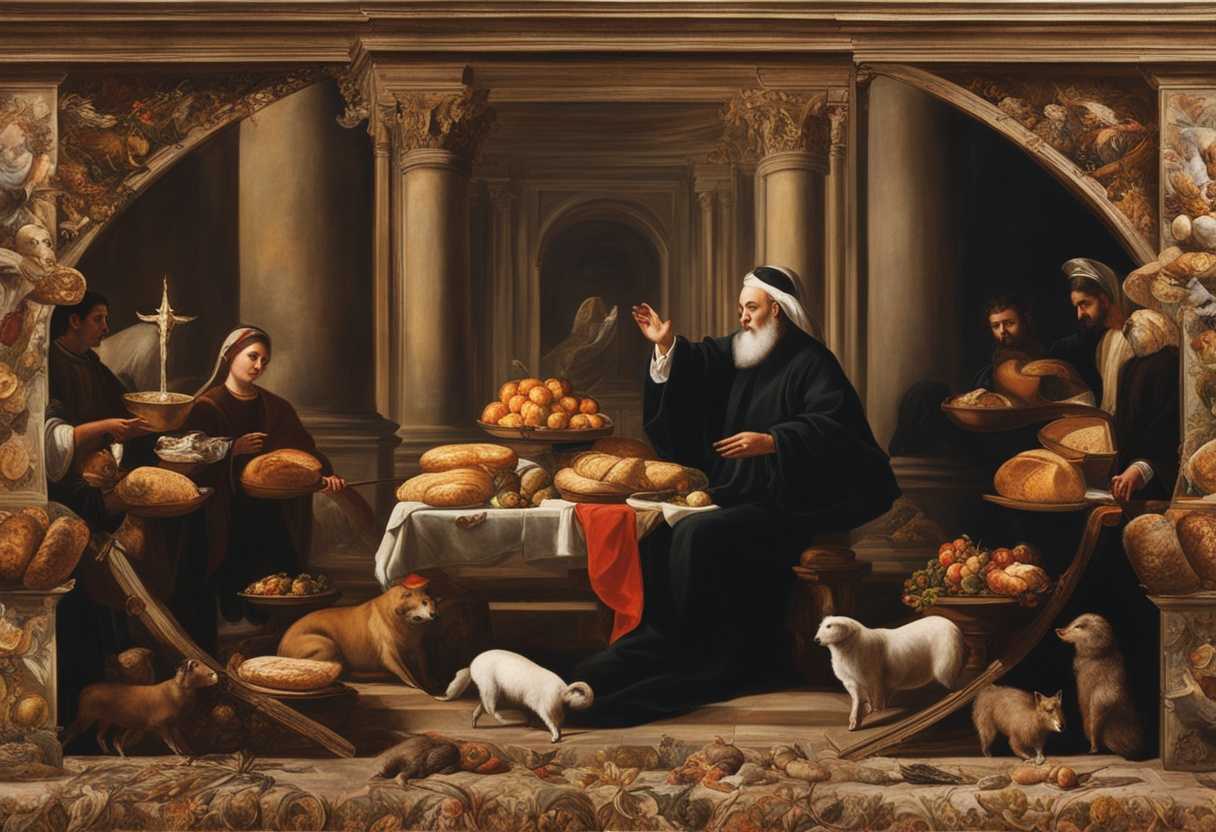
Setting the Scene for Leviticus 23:15-21
The scene in Leviticus 23:15-21 takes place during the Feast of Weeks, also known as Pentecost, a significant Jewish festival. The setting is a field of ripened wheat, with the Israelites gathered to celebrate the harvest. The air is filled with the sweet scent of freshly cut grain, and the sun is shining brightly overhead.
Among the crowd are Moses, Aaron, and the other leaders of the Israelites, who have come together to observe the festival as commanded by God. The people are dressed in their finest clothes, and there is a sense of joy and anticipation in the air as they prepare to offer their firstfruits to the Lord.
As the priests begin the ritual of waving the sheaves of wheat before the Lord, a sense of reverence falls over the gathering. The people watch in awe as the offering is made, giving thanks for the abundance of the harvest and the blessings of God. It is a time of celebration and gratitude, a moment of unity and devotion as the Israelites come together to honor the Lord and His provision.
What is Leviticus 23:15-21 about?
Specific instructions for the Feast of Weeks, also known as Shavuot, are seen in this verse. The Feast of Weeks is a significant feast in the Jewish tradition, marking the giving of the Torah at Mount Sinai. It is a time of spiritual reflection, gratitude, and celebration for the blessings received. The offering of firstfruits is a symbolic gesture of giving back to God a portion of the first and best of what one has received, acknowledging that all blessings come from Him.
The mention of a holy convocation reminds us of the importance of coming together as a community to worship and celebrate. It emphasizes the idea of unity, fellowship, and communal worship. Gathering together for a holy convocation during the Feast of Weeks allows for shared blessings, collective gratitude, and a strengthening of faith through communal worship. It also serves as a reminder of the interconnectedness of all believers and the importance of supporting and encouraging one another in our spiritual journeys. This verse teaches us the value of giving thanks, coming together in worship, and recognizing the source of all blessings.
Understanding what Leviticus 23:15-21 really means
Leviticus 23:15-21, nestled within the Old Testament book of Leviticus, unveils the intricate tapestry of the Feast of Weeks, a cherished Jewish festival occurring after the Passover. This passage serves as a beacon of gratitude for the bountiful harvest and a jubilant celebration of God’s unwavering provision throughout the ages.
“Count off seven full weeks,” a directive echoing through time, beckons us to embrace the essence of anticipation and readiness in our spiritual journey. It underscores the significance of deliberate preparation in approaching moments of worship and thanksgiving. The linkage to the Feast of Firstfruits through the phrase “From the day after the Sabbath” underscores the continuity in honoring God with the first fruits of our labor, symbolizing trust and reliance on His abundant provision.
The call to “present an offering of new grain to the Lord” resonates with the essence of sacrificial giving, urging us to offer back to God from the abundance He has graciously bestowed upon us. This act symbolizes our trust in His provision and our acknowledgment of His sovereignty over all aspects of our lives. The command to observe a “sacred assembly” emphasizes the communal nature of worship, highlighting the importance of coming together as a community to honor and glorify God.
In a world marked by hustle and bustle, the timeless principles of gratitude, community, and rest embedded in Leviticus 23:15-21 serve as guiding lights. Taking moments to pause, reflect, and express gratitude for our blessings is not just a religious duty but a vital practice for nurturing our spiritual well-being. The injunction to “do no regular work” underscores the significance of setting aside time for spiritual reflection and worship, free from the distractions of our daily routines.
As we navigate the complexities of modern life, the concept of offering our “first fruits” can transcend the agricultural context of ancient times. Just as a farmer dedicates the first and finest portion of his harvest to God and community, we can prioritize our time, talents, and resources in service to others before ourselves. This act of selflessness not only deepens our faith but also fosters unity and gratitude among those around us, echoing the spirit of the Feast of Weeks.
In conclusion, Leviticus 23:15-21 beckons us to embrace the virtues of preparation, gratitude, community, and rest in our spiritual walk. By weaving these timeless principles into the fabric of our lives, we can forge a deeper connection with God and cultivate meaningful relationships with those around us. Just as the Feast of Weeks was a time of joyous celebration and thanksgiving, may we too find moments of sacred assembly and reflection in our journey of faith.
How can we show gratitude for God’s provision?
We can show gratitude for God’s provision mentioned in Leviticus 23:15-21 by obeying His instructions and observing the appointed times of offering our firstfruits to Him. This act of giving back to God what He has provided demonstrates our acknowledgment of His sovereignty and provision in our lives. We show our trust in God’s faithfulness to provide for our needs by following through with these actions prescribed in the verse.
Additionally, expressing gratitude through thanksgiving and praise is essential in acknowledging God’s provision. Through prayer and worship, we can show our appreciation for everything God has given us. These acts of gratitude not only honor God but also cultivate a heart of thankfulness within us, allowing us to fully recognize and appreciate His daily provisions in our lives.
Furthermore, living a life of stewardship and generosity towards others is another way to show gratitude for God’s provision. We reflect His character and goodness to the world around us by sharing our blessings with those in need and being instruments of God’s love and provision to others. This act of giving back and helping others is a tangible way to demonstrate our gratitude for all that God has provided for us.
Application
Embrace the lesson from Leviticus 23:15-21: giving thanks and being obedient in your offering. Just like how you work hard in your job or take care of your family, show the same dedication towards honoring God. Will you commit to gratitude and obedience in your worship and stewardship today?

Reverend Michael Johnson is an experienced Church Minister with a profound expertise in spirituality and guidance. With a serene presence and a compassionate heart, he has faithfully served his congregation for over 20 years, leading them on a spiritual journey towards inner peace and enlightenment. Reverend Johnson’s extensive knowledge of religious philosophies and profound understanding of human nature have made him a trusted confidant and mentor to many, as he seamlessly weaves his profound wisdom into life teachings. Reverend Johnson’s calming demeanor and empathetic nature continue to uplift and heal souls, nurturing a sense of unity and tranquility within his community.