
is about observing the Year of Jubilee, which represents a time of restoration, forgiveness, and freedom as well as a reminder of God’s sovereignty and provision.
8 “You shall count seven weeks of years, seven times seven years, so that the time of the seven weeks of years shall give you forty-nine years.
Setting the Scene for Leviticus 25:8
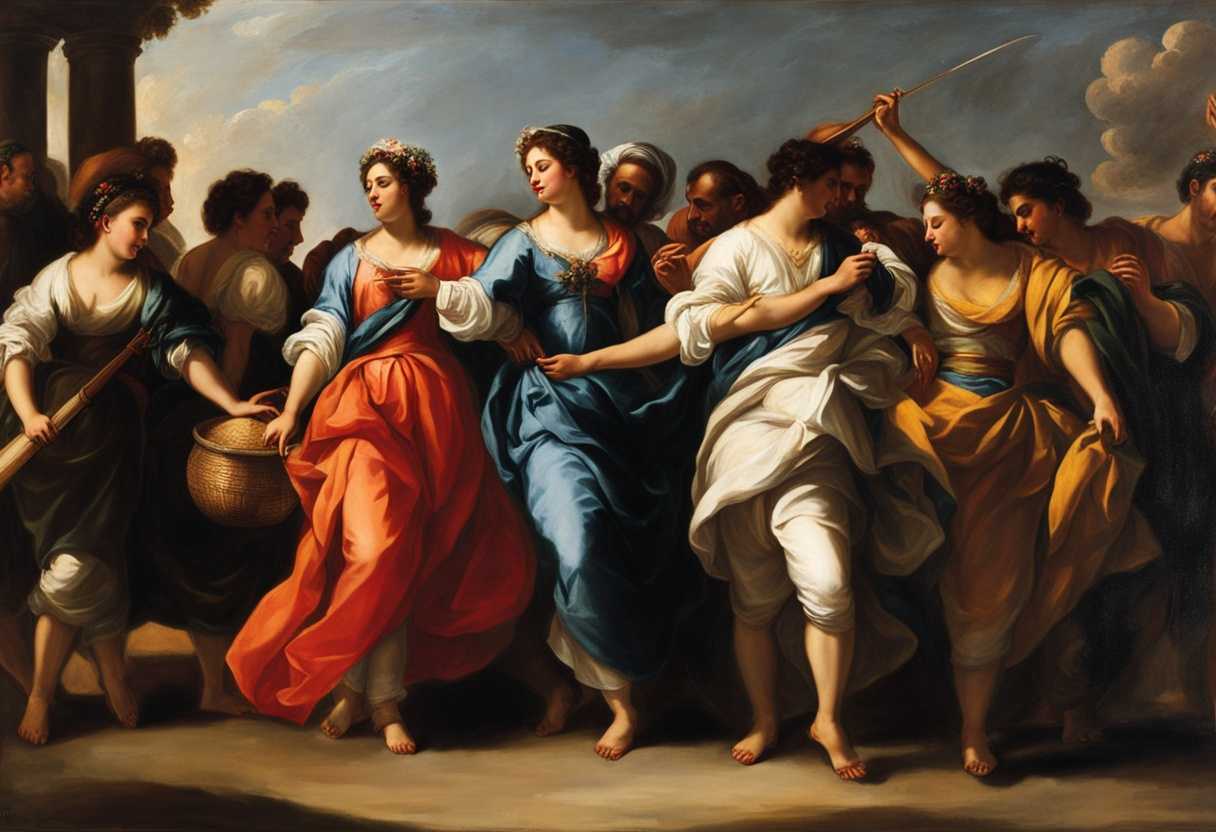
In Leviticus chapter 25, we find the Israelites in the wilderness, following their exodus from Egypt. The scene is set at Mount Sinai, where Moses has gathered the people to deliver God’s laws and commandments. The Israelites have been wandering in the wilderness for some time now, and Moses is instructing them on various laws regarding the Sabbath, Jubilee, and the treatment of slaves and property.
Among the crowd are Moses, Aaron, and other leaders of the tribes of Israel. The people have come together to hear the word of God and receive guidance on how to live according to His will. The atmosphere is solemn and reverent as Moses speaks to the people, emphasizing the importance of observing the Sabbath and the Jubilee year.
The surroundings are awe-inspiring, with Mount Sinai towering in the background and the vast wilderness stretching out before them. The people are gathered in a semi-circle around Moses, eagerly listening to his words and seeking to understand how they are to live in accordance with God’s laws. It is a pivotal moment in the history of the Israelites, as they strive to establish their identity as God’s chosen people and follow His commandments faithfully.
What is Leviticus 25:8 about?
God is instructing his people in this verse to observe a Sabbath year of rest for both the land and its people. This commandment signifies the importance of honoring the cycle of rest and rejuvenation, not just for humans but also for the earth itself. God emphasizes the need for balance, sustainability, and trust in His provision by designating a year for the land to lie fallow and for people to refrain from certain agricultural activities.
Imagine a farmer who works tirelessly to cultivate his fields year after year without giving the land a chance to replenish its nutrients. Eventually, the soil becomes depleted, and the crops suffer. Similarly, when individuals are constantly working without rest, they risk burnout and mental exhaustion. The Sabbath year serves as a reminder to prioritize rest, reflection, and gratitude for the blessings that God provides. It also fosters a sense of interconnectedness between humans and the environment, recognizing that both need care and nurturing to thrive. God’s people demonstrate their trust in His provision and wisdom by adhering to this commandment. They acknowledge that true abundance comes not just from relentless toil, but also from honoring the natural rhythms of life that God has set in place. The Sabbath year of rest is a powerful reminder of the interconnectedness of all living beings and the importance of allowing time for renewal and growth. It challenges us to consider how we can incorporate periods of rest and rejuvenation into our own lives, ensuring that we cultivate a sustainable and harmonious relationship with both the land and our fellow human beings.
Understanding what Leviticus 25:8 really means
Leviticus 25:8 is nestled within the intricate tapestry of laws and regulations outlined for the Israelites, specifically concerning the observance of the Sabbath year and the Year of Jubilee. This verse serves as a pivotal point in the divine calendar, introducing the concept of counting seven sabbatical years, culminating in the fiftieth year, known as the Year of Jubilee. During this sacred time, a profound sense of liberation and restoration permeated the land, as debts were forgiven, slaves were set free, and ancestral lands were returned to their original owners.
In the broader context of biblical passages, Leviticus 25:8 finds resonance with other verses that echo themes of freedom and restoration. Leviticus 25:10 proclaims liberty throughout the land during the Jubilee, emphasizing the jubilant nature of this period. Isaiah 61:1-2 foretells the coming of the Messiah to proclaim the year of the Lord’s favor, a prophecy fulfilled by Jesus as recorded in Luke 4:18-19. These passages intertwine the Year of Jubilee with the arrival of the Messiah, underscoring the ultimate liberation and restoration He brings to humanity.
The enduring relevance of the Year of Jubilee transcends the confines of ancient Israel and speaks to the human heart today. In a world burdened by debts, stress, and fractured relationships, the principles of rest, restoration, and freedom embodied in the Jubilee offer a beacon of hope. The call to practice forgiveness, generosity, and social justice resonates deeply in our contemporary society, urging us to emulate these virtues in our interactions with others.
Consider a modern-day scenario where a business owner in a small community chooses to forgive all debts owed to them every seven years. This act of radical generosity not only alleviates financial burdens but also fosters a culture of unity and mutual support within the community. Such gestures of grace and compassion mirror the ethos of the Year of Jubilee, promoting a spirit of restoration and second chances among individuals.
Delving into the profound phrases within Leviticus 25:8 unveils layers of spiritual significance. The directive to “count off seven sabbath years” underscores the divine order of time and the cyclical nature of God’s plan for His people. The repetition of “seven times seven years” symbolizes completeness and perfection, highlighting the thoroughness of God’s provision. The mention of the “fiftieth year” as the Year of Jubilee signifies a momentous occasion, a time of ultimate release and new beginnings, embodying the promise of redemption and the boundless grace of God.
By internalizing the principles encapsulated in the Year of Jubilee and weaving them into the fabric of our lives, we can cultivate a deeper sense of peace, foster genuine community bonds, and experience spiritual renewal. Just as the Year of Jubilee brought liberation and restoration to the Israelites, may we too embrace the call to extend forgiveness, practice generosity, and champion social justice in our spheres of influence, embodying the timeless truths encapsulated in Leviticus 25:8.
How can we find rest and renewal in God?
We can look to the concept of the Sabbath year described in Leviticus 25:8 in seeking rest and renewal in God. This verse speaks of allowing the land to rest every seventh year, highlighting the importance of taking time to pause, rejuvenate, and trust in God’s provision. We can take intentional periods of rest in our own lives by following this example, recognizing the need to step back from our daily work and responsibilities to find spiritual and physical renewal.
God invites us to trust in His faithfulness and to believe that in times of rest and stillness, He is still at work in our lives. We can cultivate a deeper sense of connection with God by prioritizing moments of solitude, prayer, and reflection, finding strength and new energy to continue in our journey. We can embrace the rhythm of rest and renewal that God offers, knowing that we can experience His grace and sustenance in a profound way through these times.
Application
Are you overwhelmed by the constant demands of work and family? Take a moment to pause and reflect as Leviticus 25:8 urges us to embrace rest and renewal. Just like a garden needs time to flourish, we too require moments of rejuvenation. Let’s recalibrate our lives by integrating moments of rest and reflection into our daily routines. How will you prioritize self-care and restoration amidst the hustle and bustle of modern life?

Reverend Michael Johnson is an experienced Church Minister with a profound expertise in spirituality and guidance. With a serene presence and a compassionate heart, he has faithfully served his congregation for over 20 years, leading them on a spiritual journey towards inner peace and enlightenment. Reverend Johnson’s extensive knowledge of religious philosophies and profound understanding of human nature have made him a trusted confidant and mentor to many, as he seamlessly weaves his profound wisdom into life teachings. Reverend Johnson’s calming demeanor and empathetic nature continue to uplift and heal souls, nurturing a sense of unity and tranquility within his community.