
Leviticus 3:6-11 is about the detailed instructions for the offering of a peace offering to the Lord, emphasizing the importance of voluntary and joyful giving as a symbol of reconciliation and thanksgiving to God.
6 “If his offering for a sacrifice of peace offering to the Lord is an animal from the flock, male or female, he shall offer it without blemish.”
7 If he offers a lamb for his offering, then he shall offer it before the Lord,
8 Then he shall lay his hand on the head of his offering and kill it in front of the tent of meeting, and Aaron’s sons shall throw its blood against the sides of the altar.
9 Then from the sacrifice of the peace offering he shall offer as a food offering to the Lord its fat; he shall remove the whole fat tail, cut off close to the backbone, and the fat that covers the entrails and all the fat that is on the entrails
10 And the priest shall burn it on the altar as a food offering made by fire to the Lord.
11 Then the priest shall burn it on the altar as a food offering to the Lord.
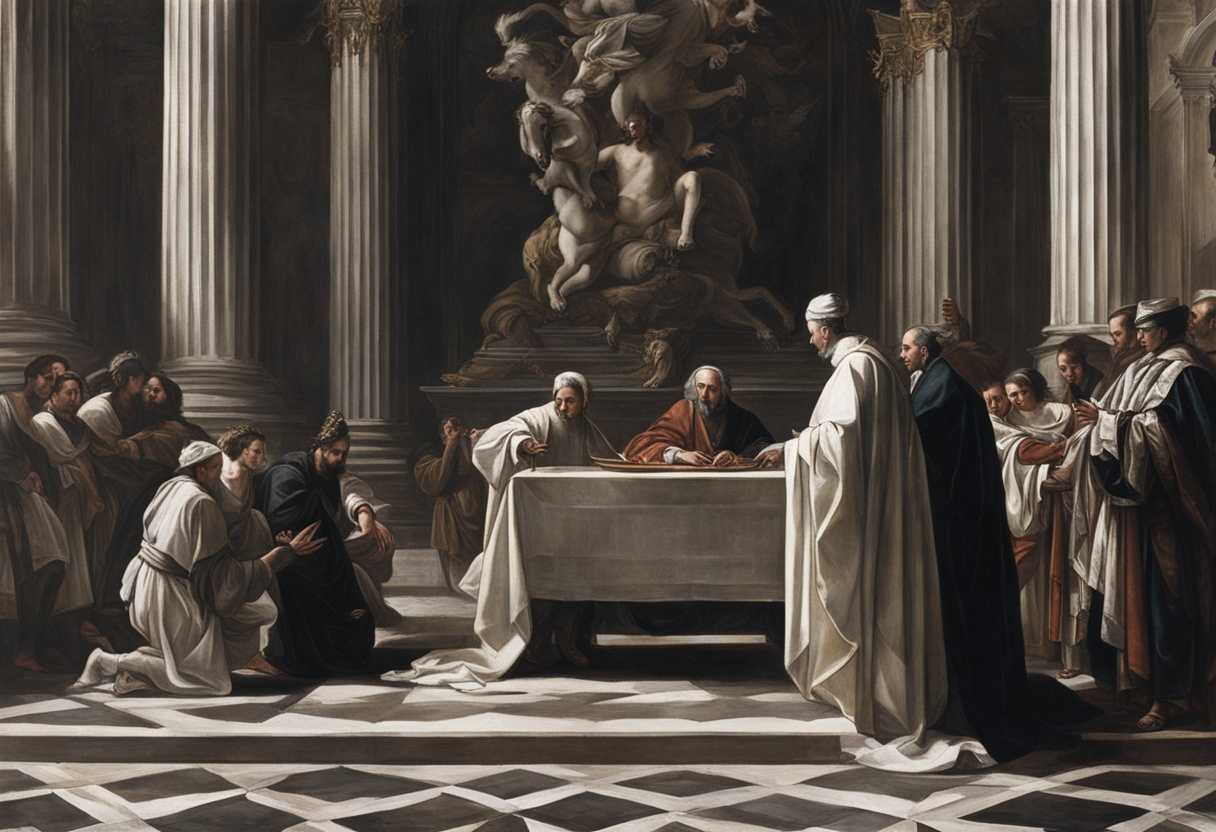
Setting the Scene for Leviticus 3:6-11
In the ancient tabernacle of the Israelites, a scene unfolds as Aaron, the high priest, stands before the altar with his sons, Eleazar and Ithamar. The air is filled with the scent of burning incense and the crackling of the fire on the altar. The flickering light from the flames dances across the faces of the priests as they prepare to offer a sacrifice to the Lord.
The animals for the sacrifice, a choice male from the flock without defect, have been brought forward by the worshipper seeking atonement for their sins. Aaron carefully inspects the animal, ensuring it meets the requirements set forth by the Lord in Leviticus. With reverence and solemnity, the priests lay their hands on the head of the animal, symbolizing the transfer of sin from the worshipper to the innocent creature.
As the animal is slaughtered and its blood is sprinkled on the altar, a sense of awe and reverence fills the tabernacle. The priests then take the fat and other specified portions of the animal and offer them up as a pleasing aroma to the Lord. Through this act of sacrifice, the worshipper finds forgiveness and reconciliation with God, foreshadowing the ultimate sacrifice of Jesus Christ on the cross.
What is Leviticus 3:6-11 about?
The verse outlines detailed instructions on how to offer a peace offering to the Lord. This passage serves as a teaching moment for individuals seeking to connect with God through the act of sacrifice and worship. Through these guidelines, individuals are shown the importance of following specific steps and procedures when offering a peace offering to the Lord, emphasizing the significance of approaching God with reverence and respect.
Think about the meticulous care and attention required to perform this act. What does it mean to follow these guidelines precisely? How does this passage reflect the concept of offering our best to God in worship? Individuals are encouraged to engage in a deep and intentional relationship with God by following these instructions, recognizing the importance of following His commands and honoring Him with their offerings. It serves as a reminder that our actions in worship should be done with purpose and devotion, reflecting our genuine desire to draw closer to God and experience His presence in our lives.
Understanding what Leviticus 3:6-11 really means
In the book of Leviticus, we encounter a detailed account of laws and rituals that governed the lives of the Israelites. Leviticus serves as a guidebook for the Israelites, outlining the ways in which they were to approach God in worship and daily living. Leviticus 3:6-11 specifically delves into the peace offering, a sacrificial practice designed to symbolize fellowship and thanksgiving to God.
Peace offerings held a significant place in ancient Israelite worship. These sacrifices were not about atonement for sin but rather about expressing gratitude and strengthening the bond between the worshipper and God. Leviticus, as a whole, underscores the themes of holiness, purity, and the intricate relationship between God and His people, setting the tone for how the Israelites were to conduct themselves in all aspects of life.
In Leviticus 3:6-11, the requirement of offering an unblemished animal highlights the importance of giving God our best and purest. This act symbolizes the idea of presenting our finest to the Lord, a principle that extends beyond sacrificial rituals to encompass all areas of our lives. It prompts us to reflect on whether we are offering our best to God in our work, relationships, and service to others.
The act of laying hands on the animal before sacrificing it signifies the transfer of sin and the personal involvement in the offering. This gesture underscores the concept of personal responsibility and accountability in one’s spiritual journey. It serves as a reminder that our relationship with God is not passive but requires active participation and a willingness to acknowledge our shortcomings.
The throwing of blood against the altar by Aaron’s sons carries deep symbolism, representing life and atonement. This imagery finds its ultimate fulfillment in the New Testament understanding of Jesus’ sacrifice as the ultimate atonement for the sins of humanity. The shedding of blood in sacrificial rituals points forward to the sacrificial death of Christ, where forgiveness and reconciliation with God are made possible.
Connecting the Old Testament sacrificial system to the New Testament, Hebrews 9:22 emphasizes the necessity of blood for the forgiveness of sins. This verse underscores the continuity between the Old and New Covenants, highlighting Jesus as the ultimate sacrifice that brings about redemption. Romans 12:1 further encourages believers to offer their lives as living sacrifices, holy and pleasing to God, echoing the principles of dedication and surrender embodied in the peace offering.
The principles encapsulated in the peace offering—thanksgiving, fellowship, and giving our best to God—remain relevant to believers today. As we navigate our daily lives, we are called to approach God with intentionality, offering our best in worship, work, and relationships. Just as the Israelites presented their offerings with care and reverence, we are challenged to consider how we can dedicate our talents, resources, and time to honor God in all that we do.
Consider the story of a musician who dedicates their gift to lead worship or a businessperson who uses their resources to support charitable causes. These individuals exemplify the concept of giving one’s best to God, using their abilities and blessings to serve others and glorify God. Their actions mirror the spirit of the peace offering, where gratitude, fellowship, and excellence converge in a harmonious offering to the Lord.
In conclusion, the timeless principles of dedication, thanksgiving, and fellowship with God, as exemplified in the peace offerings of Leviticus, challenge us to reflect on how we can offer our best to God in our daily lives. Let us strive to embody the essence of the peace offering in our worship, relationships, and service, recognizing that our offerings to God are not merely external rituals but reflections of our hearts and devotion to the Almighty.
How can we demonstrate gratitude in our lives?
One way we can demonstrate gratitude in our lives is by acknowledging the blessings we have received and giving thanks for them. This can involve reflecting on the good things in our lives and recognizing that they are gifts from God or others. We show our gratitude for the abundance in our lives by expressing it through prayers, thanksgiving, or acts of kindness towards others.
Another way to demonstrate gratitude is by sharing our blessings with those in need. This can include helping the less fortunate, offering support to those going through difficult times, or donating our time, resources, or talents to charitable causes. We show our gratitude for what we have been given and fulfill the biblical call to care for those who are vulnerable or in need by being generous and compassionate towards others.
Lastly, expressing gratitude can also involve living a life guided by thankfulness and appreciation. This can mean having a positive attitude, showing kindness and appreciation towards others, and embodying a spirit of thankfulness in all our interactions and activities. We embody the values of humility, kindness, and appreciation promoted in the verse by cultivating an attitude of gratitude in our daily lives.
Application
Reflect on Leviticus 3:6-11 and commit to offering your best to the Lord. Just like the Israelites were told to give unblemished sacrifices, let’s give our all in serving God. This passage should motivate us to give our best in our work and relationships, showing gratitude to the Lord. How will you dedicate yourself to presenting your best to the Lord right now?

Reverend Michael Johnson is an experienced Church Minister with a profound expertise in spirituality and guidance. With a serene presence and a compassionate heart, he has faithfully served his congregation for over 20 years, leading them on a spiritual journey towards inner peace and enlightenment. Reverend Johnson’s extensive knowledge of religious philosophies and profound understanding of human nature have made him a trusted confidant and mentor to many, as he seamlessly weaves his profound wisdom into life teachings. Reverend Johnson’s calming demeanor and empathetic nature continue to uplift and heal souls, nurturing a sense of unity and tranquility within his community.