
Luke 14:1, 7-11 is about the importance of humility and the virtue of not seeking honor or recognition for oneself, but rather choosing to take the lower position so that others may honor you.
1 One Sabbath, when he went to dine at the house of a ruler of the Pharisees, they were watching him carefully.
7 Now he told a parable to those who were invited, when he noticed how they chose the places of honor, saying to them,
8 “When you are invited by someone to a wedding feast, do not sit down in a place of honor, lest someone more distinguished than you be invited by him,”
9 and he who invited you both will come and say to you, ‘Give your place to this person,’ and then you will begin with shame to take the lowest place.
10 But when you are invited, go and sit in the lowest place, so that when your host comes he may say to you, ‘Friend, move up higher.’ Then you will be honored in the presence of all who sit at table with you.
11 For everyone who exalts himself will be humbled, and he who humbles himself will be exalted.
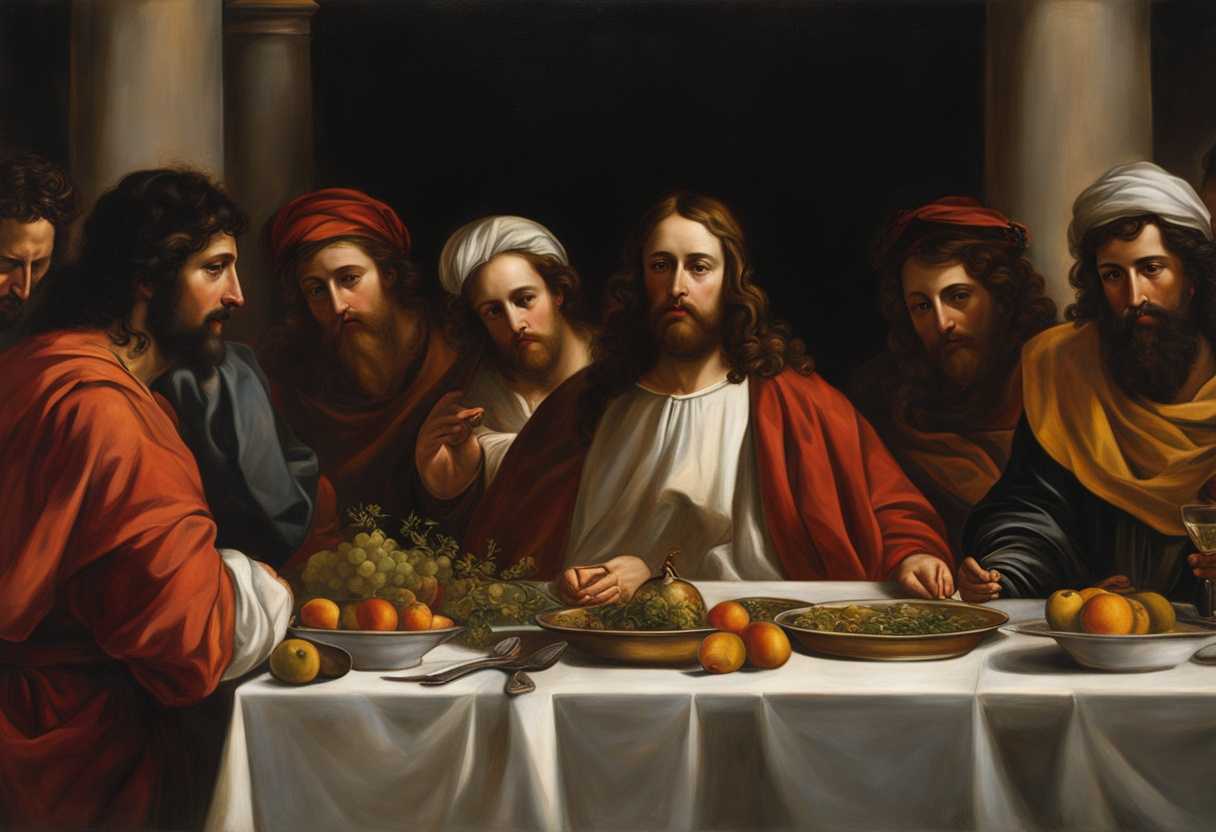
Setting the Scene for Luke 14:1, 7-11
In Luke chapter 14, we find Jesus dining at the home of a prominent Pharisee on the Sabbath. The Pharisees were known for their strict adherence to the Jewish law, and they were often critical of Jesus and his teachings. As Jesus sat down to eat, he observed how the guests were choosing the places of honor at the table. This prompted him to share a parable about humility and the importance of not seeking the places of honor for oneself.
Among the guests at the table were Pharisees and other religious leaders, as well as some of Jesus’ disciples. The room was likely adorned with rich tapestries and furniture, reflecting the wealth and status of the host. The atmosphere was tense, as Jesus’ presence often stirred controversy and challenged the traditional beliefs of the religious elite. As Jesus spoke about humility and the exaltation of the humble, his words would have surely made some of the guests uncomfortable, while resonating deeply with others who were seeking a deeper understanding of God’s kingdom.
What is Luke 14:1, 7-11 about?
This verse from the Bible carries a powerful message of humility and the importance of taking a humble stance in our lives. Jesus teaches us that rather than seeking recognition or promotion for ourselves, we should instead choose the lowest place. This doesn’t mean putting ourselves down or diminishing our worth, but rather recognizing that true greatness comes from a humble heart. We open ourselves up to being lifted up and exalted not only by others but also by God by taking the lowest place. This teaches us that true honor and recognition come from a place of humility and service, rather than seeking attention or praise for ourselves. Jesus’s teachings remind us that when we humble ourselves, we make room for God’s grace and blessings to work in our lives.
So, let us reflect on this powerful lesson from Jesus and consider how we can embody humility in our thoughts, words, and actions. How can we take the lowest place in our interactions with others, showing kindness, compassion, and servitude? And how can we trust in God to exalt us in due time, knowing that true greatness lies in a humble and obedient heart? Let us follow Jesus’s example and embrace humility as a path to true honor and exaltation in the eyes of God.
Understanding what Luke 14:1, 7-11 really means
In the Gospel of Luke, we find Jesus dining at the house of a prominent Pharisee on the Sabbath. Amidst the gathering, Jesus keenly observes how the guests eagerly choose the places of honor at the table. This simple act reveals a deeper truth about human nature – our inclination towards seeking recognition and status. Jesus seizes this moment to impart a profound lesson on humility and the Kingdom of God, urging his listeners to reconsider their attitudes towards honor and prestige.
“Do not take the place of honor,” Jesus advises, challenging the prevailing mindset of self-exaltation. His words echo a timeless call to humility and self-awareness, urging us to resist the temptation of seeking the highest positions for ourselves. The principle Jesus presents is clear: those who exalt themselves will ultimately be humbled, while those who humble themselves will be exalted. This divine justice stands in stark contrast to the world’s values, emphasizing that true honor comes not from human accolades but from God alone.
Drawing parallels from other biblical passages, such as Proverbs 25:6-7, James 4:10, and Philippians 2:3-4, we see a consistent theme of humility leading to exaltation in the eyes of God. These verses reinforce the importance of waiting for God’s timing, humbling ourselves before Him, and valuing others above ourselves. The teachings of Jesus in Luke 14:1, 7-11 resonate across different contexts, urging believers to adopt a mindset of humility and service in a world that often prioritizes self-promotion and status.
Consider a workplace scenario where employees vie for promotions. Amidst the competition, one individual stands out not for self-promotion but for their dedication to helping colleagues and performing their tasks with excellence. When promotion time arrives, this person is recognized for their humility and service, echoing Jesus’ teaching that those who humble themselves will be exalted. This anecdote illustrates the timeless truth that true recognition comes from a heart of humility and service, rather than from seeking personal glory.
In conclusion, Jesus’ words in Luke 14:1, 7-11 challenge us to reflect on our motives and actions. They invite us to embrace humility, trusting that God sees and honors the sincerity of our hearts. By aligning ourselves with the values of the Kingdom of God – where humility is exalted – we experience a deeper form of recognition that transcends worldly standards. Let us heed Jesus’ call to humility, knowing that true exaltation comes from God alone.
Are my actions motivated by seeking recognition?
The teaching in Luke 14:7-11 emphasizes the importance of humility and selflessness. It warns against seeking recognition and honor from others, as this can lead to embarrassment and humiliation. Instead, the verse encourages choosing humility and allowing others to elevate you if they see fit, rather than exalting oneself. We can evaluate our own actions and intentions by reflecting on the message of this verse. If our actions are primarily motivated by a desire for recognition and honor from others, then we are not embodying the humility that is encouraged in this teaching. It is important to shift our focus away from seeking recognition and instead focus on serving and caring for others without expecting anything in return. When we prioritize humility and selflessness in our actions, we can cultivate genuine relationships and connections with others.
Application
Embrace humility in your daily interactions, just like you navigate your way through the challenges of the workplace or nurture relationships within your family. Let your modesty and respect shine through in every encounter, reflecting the values of kindness and service. Will you choose to walk the path of humility, following in the footsteps of the ultimate example, Jesus Christ?

Reverend Michael Johnson is an experienced Church Minister with a profound expertise in spirituality and guidance. With a serene presence and a compassionate heart, he has faithfully served his congregation for over 20 years, leading them on a spiritual journey towards inner peace and enlightenment. Reverend Johnson’s extensive knowledge of religious philosophies and profound understanding of human nature have made him a trusted confidant and mentor to many, as he seamlessly weaves his profound wisdom into life teachings. Reverend Johnson’s calming demeanor and empathetic nature continue to uplift and heal souls, nurturing a sense of unity and tranquility within his community.