
Luke 16:19 is about contrasting the extravagant wealth and indifference of a rich man with the humility and compassion of a poor man named Lazarus, highlighting the importance of having a caring heart and showing kindness to others regardless of their social status.
19 “There was a rich man who was clothed in purple and fine linen and who feasted sumptuously every day.
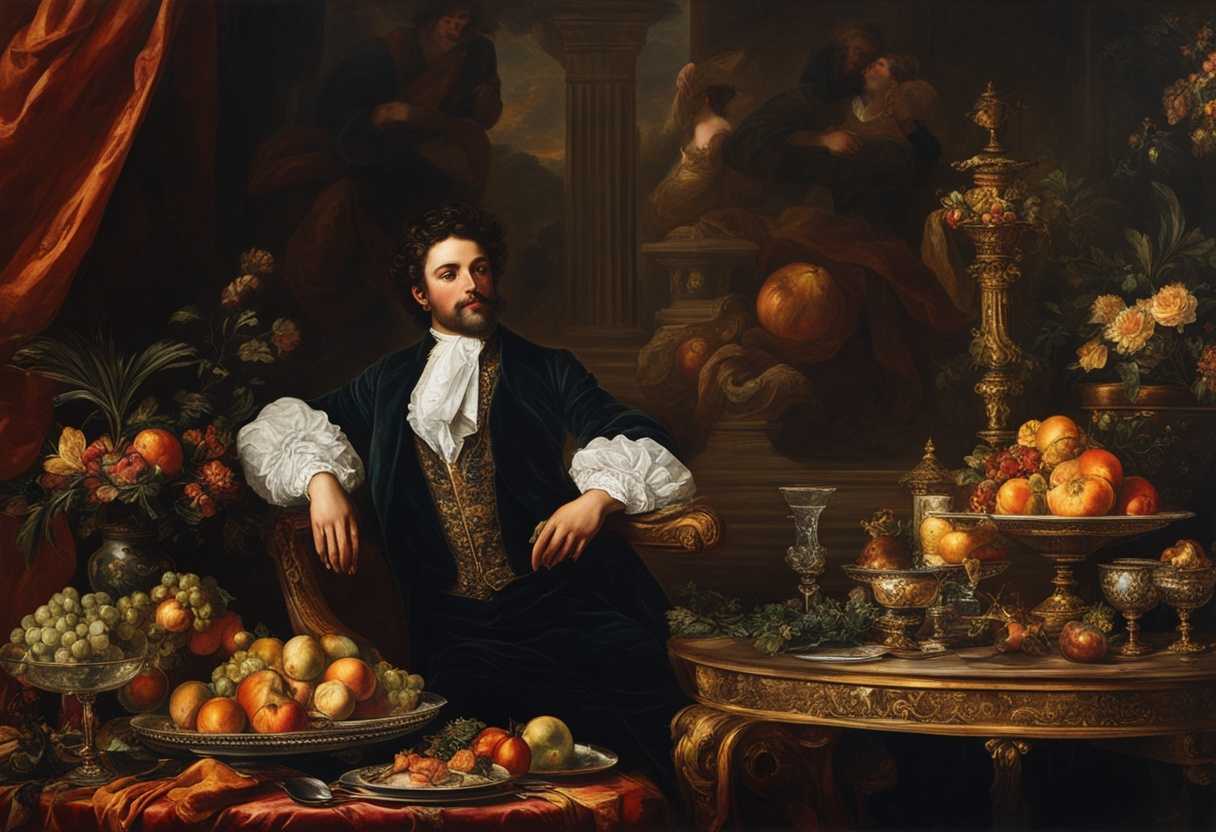
Setting the Scene for Luke 16:19
In Luke chapter 16, we find Jesus sharing a parable about a rich man and a beggar named Lazarus. The scene is set in a wealthy man’s house, where the rich man, who is dressed in fine linen and lives in luxury, is feasting lavishly. Lazarus, a poor beggar covered in sores, is laid at the rich man’s gate, hoping to eat the scraps that fall from his table.
The rich man and Lazarus find themselves in this starkly contrasting situation due to their earthly circumstances. The rich man’s wealth and status have isolated him from the suffering of others, while Lazarus, despite his dire situation, finds solace in the presence of dogs who lick his sores. The scene serves as a powerful illustration of the consequences of neglecting those in need and the importance of compassion and empathy.
As Jesus unfolds this parable, the listeners are drawn into the vivid imagery of the rich man’s opulent surroundings and Lazarus’ destitute condition, prompting reflection on the values of the kingdom of God and the call to care for the marginalized and vulnerable in society.
What is Luke 16:19 about?
This verse from the Parable of the Rich Man and Lazarus serves as a poignant reminder of the consequences of neglecting the less fortunate. It highlights the stark contrast between the luxurious life of the rich man and the destitution of Lazarus, a poor man who longed for even the scraps from the rich man’s table. Despite their starkly different circumstances on Earth, their roles are reversed in the afterlife. The rich man finds himself in torment while Lazarus is comforted in the arms of Abraham. This parable reminds us of the importance of compassion, generosity, and caring for those in need during our time on Earth, as our actions have eternal consequences.
Reflect on this parable and consider the implications of neglecting those who are less fortunate. Are we using our blessings and resources to help others in need, or are we solely focused on our own comfort and wealth? This parable challenges us to examine our priorities and how we treat others, especially those who are marginalized and in need of our help. Let it serve as a compelling reminder to practice empathy, generosity, and kindness towards all, for our actions towards others carry weight not just in this life, but in the life to come.
Understanding what Luke 16:19 really means
In Luke 16:19, Jesus introduces the parable of the rich man and Lazarus, a poignant story that serves as a stark reminder of the consequences of prioritizing wealth over compassion. The rich man in the narrative lives a life of opulence, draped in purple and fine linen, symbolizing his affluence and status. In contrast, at his gate lies Lazarus, a destitute beggar yearning for even the smallest morsels of sustenance. The disparity between their circumstances is striking, emphasizing the rich man’s indulgence and indifference to the suffering of others.
This parable resonates with other teachings in the Bible, such as Matthew 25:31-46, where acts of kindness towards the less fortunate are equated with kindness towards Jesus himself. James 5:1-6 issues a caution to the wealthy about the perils of hoarding riches while disregarding the plight of the marginalized. Similarly, 1 Timothy 6:17-19 instructs the affluent to be generous and willing to share, emphasizing the eternal value of investing in acts of charity and compassion.
The relevance of this narrative extends to contemporary society, where the chasm between the affluent and the impoverished persists. It prompts introspection on how we engage with those in need and challenges us to reassess our priorities. Consider a scenario where a prosperous individual, accustomed to luxury, encounters a homeless person daily but remains indifferent. When faced with adversity themselves, they experience a transformation, recognizing the significance of empathy and altruism by actively engaging in charitable endeavors.
Key phrases in the verse, such as the rich man’s “luxurious” daily existence and Lazarus being “laid at his gate,” underscore the stark contrast in their circumstances and the rich man’s callous disregard for the suffering at his doorstep. This imagery serves as a poignant reminder of the consequences of neglecting the needs of others in pursuit of personal gratification.
Luke 16:19 challenges us to evaluate our attitudes towards wealth and poverty, urging us to consider whether we are using our resources to alleviate the suffering of those around us or succumbing to self-centered pursuits. It beckons us to cultivate empathy and generosity, recognizing that our actions towards others hold eternal significance. By delving into this verse and its related passages, we glean profound insights into the transformative power of compassion and the perils of turning a blind eye to the marginalized and vulnerable in our midst.
How can we show compassion and help the needy?
The verse in Luke 16:19 talks about a rich man and a beggar named Lazarus. It highlights the stark contrast between the two men’s lives and how the rich man ignored the suffering of Lazarus. It serves as a reminder for us to be mindful of those in need around us and to show compassion to them. We can follow this example by actively seeking out ways to help the needy in our communities.
One way to show compassion and help the needy is by volunteering our time and resources to organizations that support them, such as homeless shelters, food banks, or community outreach programs. We can make a tangible difference in the lives of those less fortunate by actively participating in these initiatives. Additionally, we can show compassion in our daily interactions by listening to the stories of those in need, extending a helping hand, and treating them with dignity and respect. Showing compassion and helping the needy ultimately reflect our faith and values. We can strive to be more empathetic and generous individuals by following the teachings of the verse in Luke 16:19.
Application
Think about the moments when you’ve walked past someone in need without a second thought, just as the rich man did in Luke 16:19. In our busy lives, it’s easy to miss the cries for help around us, but that’s when we need to step up and show true compassion. Imagine your family thriving because you chose to extend a hand, creating ripples of kindness. Will you be the one to make a difference and share Christ’s love with those who need it most?

Reverend Michael Johnson is an experienced Church Minister with a profound expertise in spirituality and guidance. With a serene presence and a compassionate heart, he has faithfully served his congregation for over 20 years, leading them on a spiritual journey towards inner peace and enlightenment. Reverend Johnson’s extensive knowledge of religious philosophies and profound understanding of human nature have made him a trusted confidant and mentor to many, as he seamlessly weaves his profound wisdom into life teachings. Reverend Johnson’s calming demeanor and empathetic nature continue to uplift and heal souls, nurturing a sense of unity and tranquility within his community.