
Luke 16:22-28 is about the story of the rich man and Lazarus, illustrating the consequences of a life lived in selfishness and neglecting the less fortunate, emphasizing the importance of repentance and compassion in both this life and the afterlife.
22 The poor man died and was carried by the angels to Abraham’s side. The rich man also died and was buried.
23 and in Hades, being in torment, he lifted up his eyes and saw Abraham far off and Lazarus at his side.
24 And he called out, ‘Father Abraham, have mercy on me, and send Lazarus to dip the end of his finger in water and cool my tongue, for I am in anguish in this flame.’
25 But Abraham said, ‘Child, remember that you in your lifetime received your good things, and Lazarus in like manner bad things; but now he is comforted here, and you are in anguish.
26 And besides all this, between us and you a great chasm has been fixed, in order that those who would pass from here to you may not be able, and none may cross from there to us.’
27 And he said, ‘Then I beg you, father, to send him to my father’s house—
28 for I have five brothers—so that he may warn them, lest they also come into this place of torment.’
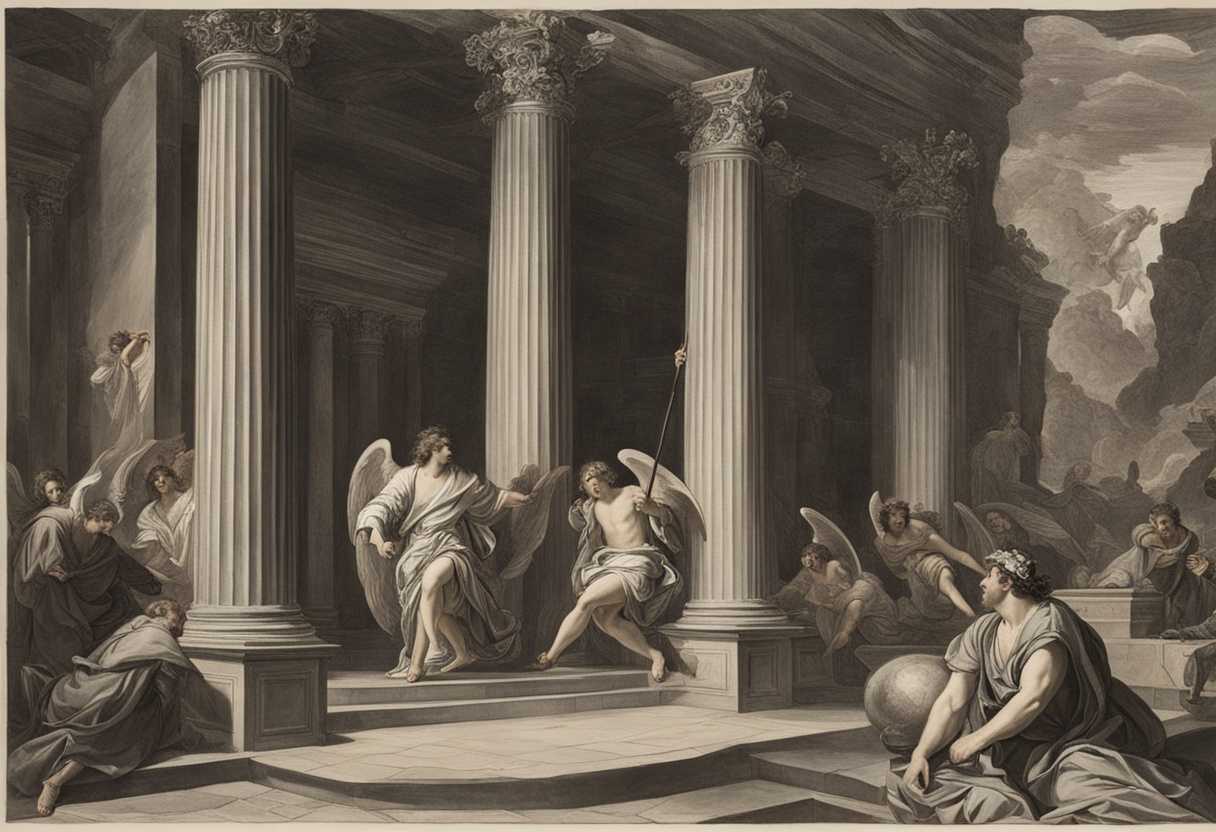
Setting the Scene for Luke 16:22-28
In Luke chapter 16, we find Jesus sharing a parable about a rich man and a beggar named Lazarus. The scene is set in the afterlife, with the rich man in Hades and Lazarus in the bosom of Abraham. The rich man, who had lived a life of luxury and excess without showing compassion to Lazarus, finds himself in torment, while Lazarus, who had suffered greatly in life, is comforted in the presence of Abraham.
The rich man, realizing his dire situation, pleads with Abraham to send Lazarus to cool his tongue with water. However, Abraham explains that there is a great chasm fixed between them that cannot be crossed. The rich man then asks Abraham to send Lazarus to warn his brothers so they do not end up in the same place of torment. Abraham responds that they have Moses and the prophets to listen to, and if they do not heed their words, they will not be convinced even if someone rises from the dead.
The scene is one of contrasts – the rich man who had everything in life but lacked compassion, and Lazarus who had nothing but found comfort in the afterlife. It serves as a powerful reminder of the importance of showing kindness and compassion to others, as well as the consequences of neglecting those in need.
What is Luke 16:22-28 about?
The parable of the rich man and Lazarus found in the book of Luke is a powerful story that illustrates the stark contrast between the rich and the poor, both in their earthly lives and in the afterlife. The rich man feasted sumptuously every day and lived a life of luxury, while Lazarus, a poor beggar covered in sores, longed for even the scraps from the rich man’s table. However, after death, their roles were reversed. Lazarus was carried by angels to be with Abraham in heaven, experiencing comfort and joy, while the rich man found himself in torment in Hades, separated from God’s presence.
This parable challenges us to reflect on our treatment of others, especially those who are vulnerable and marginalized in society. It reminds us of the importance of compassion, generosity, and caring for those in need, as these values are not only significant in this life but also have eternal ramifications. This parable urges us to consider how we are using our resources and privileges to make a positive difference in the world around us by showing the consequences of neglecting the suffering of others. It prompts us to evaluate our priorities and align them with God’s values of love, justice, and mercy. Have you thought about how your actions today could impact your eternity? How can you embody the qualities of Lazarus in offering compassion and kindness to those around you, regardless of their social status or background?
Understanding what Luke 16:22-28 really means
In the parable of the rich man and Lazarus found in Luke 16:22-28, Jesus paints a vivid picture of the afterlife, highlighting themes of justice and compassion. When the beggar Lazarus dies, angels carry him to Abraham’s side, symbolizing the reward and comfort awaiting the righteous in the next life. This portrayal offers hope to those enduring suffering on earth, assuring them of divine solace and fairness. Drawing parallels with passages like the Beatitudes in Matthew 5 and the promise of no more pain in Revelation 21, this narrative underscores the comforting embrace awaiting those who endure hardship with faith.
Conversely, the fate of the rich man in the parable, who ends up in torment in Hades, serves as a stark reminder of the consequences of a life devoid of compassion. His plea to Abraham for relief, met with a sobering response, illustrates the reality of divine justice and the irreversible nature of one’s choices. This cautionary tale aligns with other passages like the parable of the Sheep and the Goats in Matthew 25 and the warning to the wealthy in James 5, emphasizing the imperative of living a life marked by empathy and generosity.
The dialogue between the rich man and Abraham further underscores the eternal ramifications of earthly actions. The rich man’s plea for mercy and the acknowledgment of the stark reversal of fortunes between him and Lazarus post-mortem highlight the justice inherent in God’s judgment. This narrative echoes teachings in Luke 6 and Proverbs 19, emphasizing the eternal significance of how we treat others and utilize our resources for the betterment of those in need.
The depiction of a great chasm separating the destinies of the rich man and Lazarus underscores the finality of one’s eternal state and the impossibility of altering it after death. This imagery aligns with teachings in Matthew 7 and John 14, emphasizing the importance of choosing the path of righteousness and salvation during one’s earthly sojourn. The rich man’s plea to warn his family serves as a poignant reminder of the urgency of repentance and righteous living, echoing calls to turn from wicked ways in passages like Ezekiel 33 and Acts 17.
In conclusion, the parable of the rich man and Lazarus encapsulates profound truths about the afterlife, justice, and the imperative of compassion. Through this narrative, Jesus challenges listeners to consider the eternal consequences of their actions, urging them to prioritize righteousness, empathy, and repentance in their earthly journey. May we heed these timeless lessons, living in a manner that reflects God’s love and grace towards all, mindful of the eternal destinies at stake.
How can we prepare for life after death?
We can prepare for life after death by ensuring that we have lived a righteous and virtuous life. This includes practicing kindness, compassion, and forgiveness, as well as seeking a close relationship with God through prayer and worship. We can be confident that by living in accordance with these principles, we are preparing ourselves for the eternal life that follows this earthly existence.
Furthermore, we should be mindful of our actions and behaviors, ensuring that we are accountable for our choices and strive to make amends for any wrongdoings. This includes seeking forgiveness for our sins and striving to live a life that is pleasing to God. We can have faith that we are on the path towards a positive afterlife by seeking to lead a life of integrity and moral uprightness. We can find comfort and reassurance in the belief that our actions in this life will impact our existence in the afterlife by living a life guided by faith, love, and virtue. Through faith and adherence to the teachings of scripture, we can be better prepared for the transition from this world to the next, knowing that our eternal destiny is secure in the hands of God.
Application
Take a moment and ponder the parable in Luke 16:22-28 – it speaks volumes about the importance of prioritizing our connection with the divine and the everlasting ramifications of our decisions in our earthly existence. Let’s not procrastinate in seeking redemption and welcoming the mercy of the divine; what we do now shapes our eternal fate. Let’s answer the call to live with a spiritual stance and maximize our earthly journey. What steps will you take to honor this divine invitation and live a life with purpose and conviction?

Reverend Michael Johnson is an experienced Church Minister with a profound expertise in spirituality and guidance. With a serene presence and a compassionate heart, he has faithfully served his congregation for over 20 years, leading them on a spiritual journey towards inner peace and enlightenment. Reverend Johnson’s extensive knowledge of religious philosophies and profound understanding of human nature have made him a trusted confidant and mentor to many, as he seamlessly weaves his profound wisdom into life teachings. Reverend Johnson’s calming demeanor and empathetic nature continue to uplift and heal souls, nurturing a sense of unity and tranquility within his community.