
Luke 18:42-43 is about Jesus restoring the blind man’s sight not just physically, but also spiritually, symbolizing the ability of faith to bring clarity and enlightenment to one’s life.
42 And Jesus said to him, “Recover your sight; your faith has made you well.”
43 And immediately he recovered his sight and followed him, glorifying God. And all the people, when they saw it, gave praise to God.
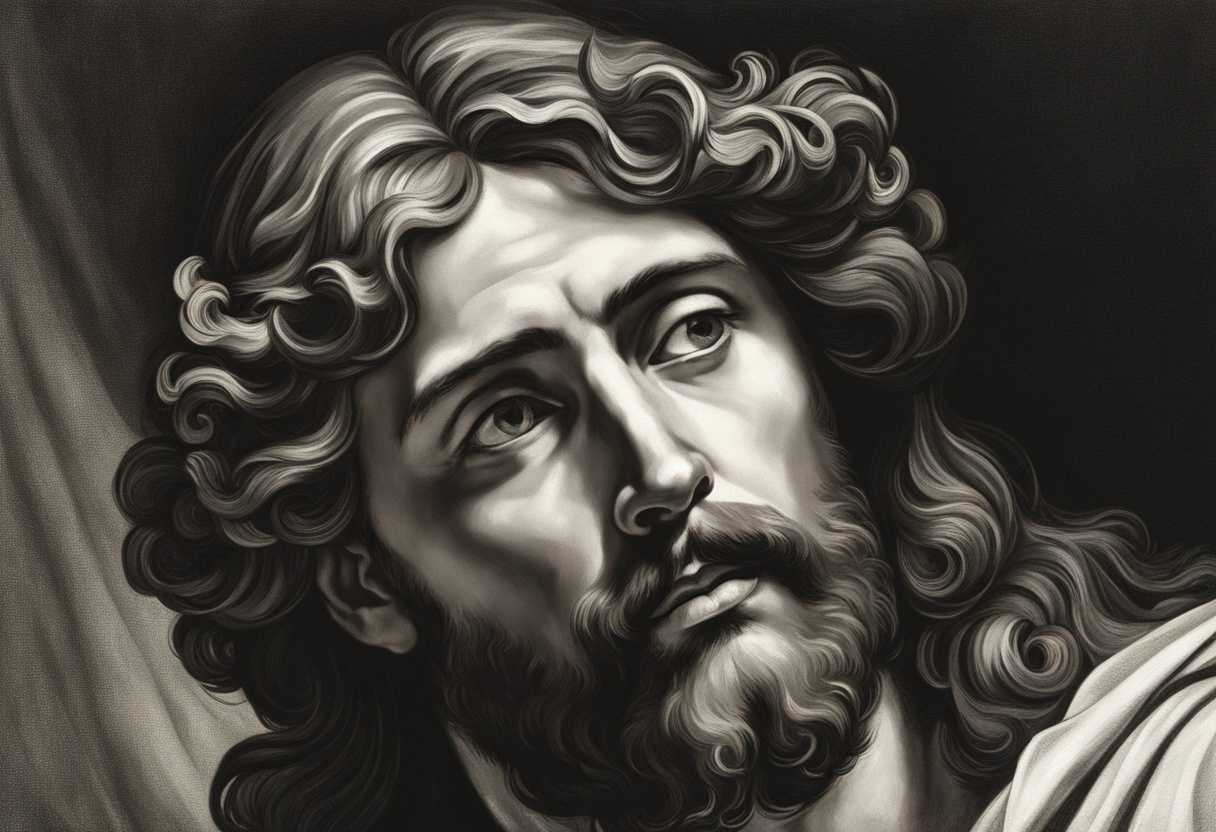
Setting the Scene for Luke 18:42-43
In Luke chapter 18, we find Jesus on his way to Jerusalem, passing through Jericho. As he nears the city, a blind beggar named Bartimaeus is sitting by the roadside, calling out for mercy and healing. Bartimaeus had heard of Jesus and his miraculous healings, so when he learned that it was Jesus passing by, he cried out even louder, “Jesus, Son of David, have mercy on me!”
The crowd around Jesus tried to silence Bartimaeus, but he persisted in calling out to Jesus. Jesus, hearing his cry, stopped and commanded that Bartimaeus be brought to him. The blind man, throwing off his cloak, sprang up and came to Jesus. Jesus asked him, “What do you want me to do for you?” Bartimaeus replied, “Lord, let me recover my sight.” Jesus then said to him, “Recover your sight; your faith has made you well.” Immediately, Bartimaeus received his sight and began following Jesus, glorifying God.
The scene is filled with a sense of urgency and anticipation as Jesus, surrounded by his disciples and a crowd of onlookers, encounters Bartimaeus, a man in desperate need of healing. The dusty road leading to Jericho is bustling with activity, with people jostling for a glimpse of the renowned healer. The sun beats down on the scene, casting long shadows as Bartimaeus, now able to see, looks upon Jesus with gratitude and awe. This powerful moment of faith and healing serves as a testament to the compassion and miraculous power of Jesus.
What is Luke 18:42-43 about?
One of the central themes in the Bible is the power of faith to bring about miraculous transformations. Jesus healing the blind man in this verse serves as a powerful example of how faith can lead to physical healing. This act of compassion and miraculous healing not only showcases Jesus’ divine power but also highlights the profound impact of unwavering faith in overcoming physical challenges.
Have you ever thought about the power of faith in your own life? This verse reminds us that when we have faith in something greater than ourselves, whether that be a higher power or the goodness within us, incredible things can happen. It challenges us to reflect on the role of faith in our own journey towards healing and encourages us to trust in something beyond what we can see or understand. This verse inspires us to believe that our faith can lead to miraculous transformations in our own lives, just as Jesus restored the blind man’s sight through his faith.
Understanding what Luke 18:42-43 really means
In the narrative of Luke 18:42-43, we witness a profound moment where Jesus encounters a blind beggar near Jericho. The beggar, upon hearing of Jesus’ presence, cries out for mercy, demonstrating a deep yearning for healing and restoration. Despite facing discouragement from the crowd, the blind man persists in his plea, showcasing unwavering faith in Jesus’ ability to bring about change. This persistence is met with compassion and action from Jesus, who responds to the man’s faith by declaring, “Receive your sight.”
The phrase “Receive your sight” holds significant meaning beyond just physical healing. It symbolizes the spiritual enlightenment and transformation that occur when one places their faith in Jesus. It signifies a restoration of not just physical vision but also a newfound clarity and understanding of God’s grace and power. Furthermore, when Jesus proclaims, “Your faith has healed you,” it emphasizes the pivotal role that faith plays in the process of healing and transformation. It is not merely the physical touch of Jesus but the profound faith of the beggar that catalyzes the miraculous restoration.
The immediate and complete nature of the blind man’s healing is highlighted as he receives his sight and chooses to follow Jesus, praising God. This instantaneous transformation underscores the power and authority of Jesus in performing miracles and the appropriate response of gratitude and discipleship from those who experience His grace. The account of this miraculous healing parallels other biblical passages, such as Mark 10:52, which also narrates Jesus healing a blind man and emphasizes the importance of faith in receiving healing.
In today’s context, many individuals grapple with various forms of “blindness” in their lives, whether spiritual, emotional, or physical. The story of the blind beggar serves as a poignant reminder that faith can lead to profound transformation and restoration in the midst of our struggles. The beggar’s persistence in seeking Jesus despite obstacles mirrors the importance of perseverance in our own faith journeys. In a world that often challenges or distracts us from pursuing spiritual truth, this narrative encourages us to remain steadfast in our pursuit of Jesus and His healing touch.
Consider a modern-day scenario where a person facing a dire illness maintains unwavering faith in God’s healing power, akin to the blind beggar’s persistence. Through fervent prayer and a positive outlook, this individual experiences a miraculous recovery that defies medical explanation. This contemporary miracle echoes the timeless truth found in Luke 18:42-43, illustrating that faith can indeed lead to extraordinary outcomes and divine interventions beyond human comprehension.
In conclusion, the story of the blind beggar in Luke 18:42-43 resonates with timeless themes of faith, compassion, and transformation. It serves as a beacon of hope and encouragement for all who seek healing, both spiritually and physically. This narrative challenges us to emulate the beggar’s unwavering faith, persistence, and gratitude in our own lives, trusting in the compassionate power of Jesus to bring about miraculous change. Just as the blind beggar’s story impacted those around him two thousand years ago, it continues to inspire and uplift individuals today, offering a profound reminder of the enduring relevance and potency of faith in the face of adversity.
How can we follow Jesus and glorify God?
We can take the example from the verse you referred to in order to follow Jesus and glorify God. We acknowledge our need for Jesus in our lives by believing in Him and calling out to Him for help like the blind man did. We should recognize God’s power and blessings in our lives and give Him all the praise and glory, just as the blind man did when he received his sight and immediately glorified God.
We can also strive to imitate Jesus in our actions and attitudes towards others. Jesus showed compassion, kindness, humility, and love to everyone He encountered. We bring honor and glory to God by following His example and treating others with love and respect. We can also show kindness and mercy to those in need around us, reflecting God’s love to the world, just as Jesus healed the blind man out of compassion and love.
Additionally, we can glorify God by sharing the Good News of Jesus with others. We have the opportunity to share with others how Jesus has transformed our lives and how He can do the same for them, just as the blind man spread the news of his miraculous healing. We bring glory to God and fulfill His commandment to make disciples of all nations by being a light for Christ in this world and leading others to Him.
Application
Feel the power of Luke 18:42-43 striking a chord within you, igniting a flame of determination in your spiritual quest. As the blind man sought mercy from Jesus and found healing, may you too boldly seek divine intervention, believing in its ability to reshape your journey. Leave uncertainty behind and stride forth with confidence in the warmth of His benevolence. The question beckons: Will you heed the call to pursue divine grace and restoration with unwavering resolve?

Reverend Michael Johnson is an experienced Church Minister with a profound expertise in spirituality and guidance. With a serene presence and a compassionate heart, he has faithfully served his congregation for over 20 years, leading them on a spiritual journey towards inner peace and enlightenment. Reverend Johnson’s extensive knowledge of religious philosophies and profound understanding of human nature have made him a trusted confidant and mentor to many, as he seamlessly weaves his profound wisdom into life teachings. Reverend Johnson’s calming demeanor and empathetic nature continue to uplift and heal souls, nurturing a sense of unity and tranquility within his community.