
Luke 1:46-50 is about Mary’s praise and gratitude to God for choosing her to be the mother of Jesus, highlighting her humility, faith, and awareness of God’s mercy and power.
46 And Mary said, “My soul magnifies the Lord,
47 and my spirit rejoices in God my Savior,
48 for he has looked on the humble estate of his servant.
49 for he who is mighty has done great things for me,
and holy is his name.
50 And his mercy is for those who fear him from generation to generation.
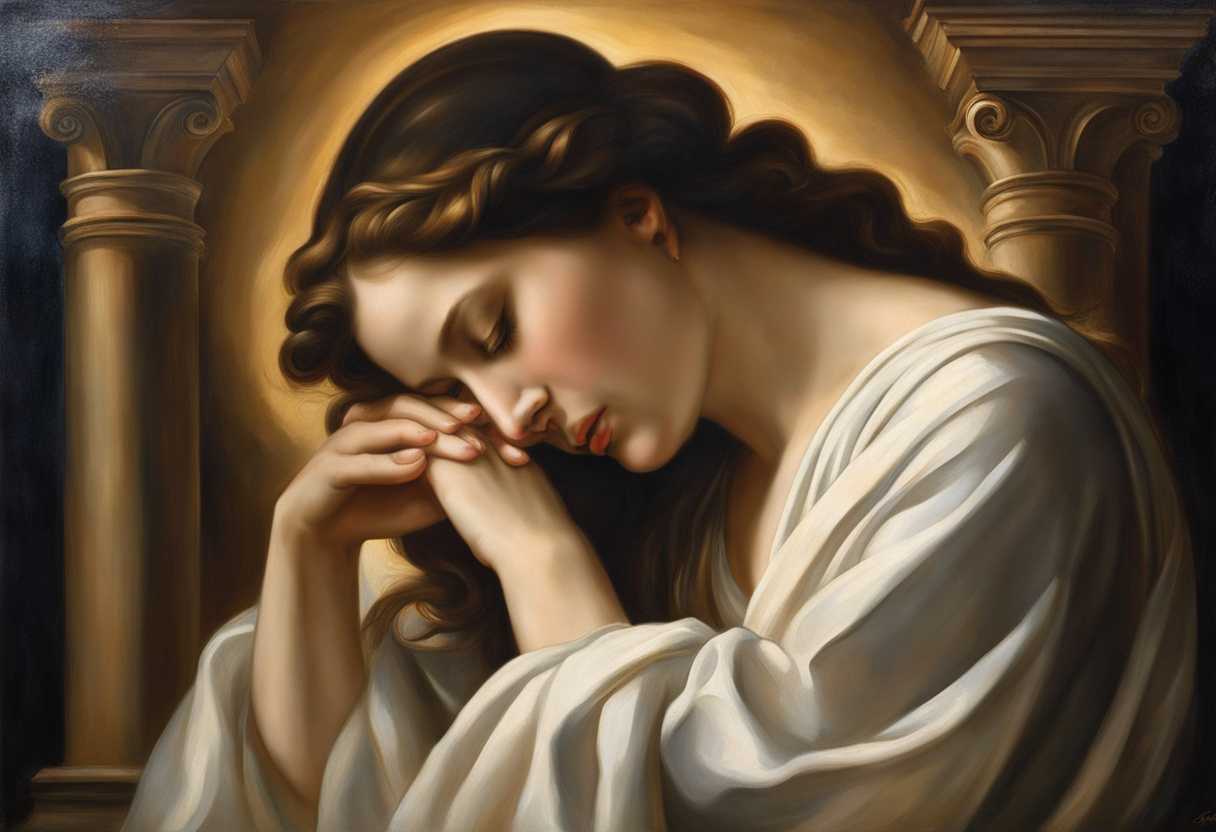
Setting the Scene for Luke 1:46-50
In Luke chapter 1, we find Mary, the young virgin who has just been visited by the angel Gabriel and told that she will conceive and give birth to the Son of God. Overwhelmed by this incredible news, Mary sets out to visit her relative Elizabeth, who is also miraculously pregnant with John the Baptist. As Mary enters the house of Elizabeth and Zechariah, she is greeted with joy and reverence. The two women, both chosen by God for extraordinary roles in His plan of salvation, share a moment of profound connection and understanding.
The scene is set in a humble home in the hill country of Judea, surrounded by the beauty of nature and the quiet serenity of the countryside. Inside, Mary and Elizabeth embrace each other, their unborn children stirring within them as if recognizing each other’s presence. Mary, filled with the Holy Spirit, bursts into a beautiful song of praise and thanksgiving known as the Magnificat, exalting God for His mercy and faithfulness. Elizabeth, moved by the Spirit as well, responds with words of blessing and affirmation for Mary, recognizing her as the mother of the Lord.
In this sacred moment, two women from different generations and circumstances come together in a divine encounter, united by their shared faith and the miraculous workings of God in their lives. Their meeting is a testament to the power of God to bring forth new life and fulfill His promises, as well as a demonstration of the importance of community and support in times of great blessing and challenge.
What is Luke 1:46-50 about?
This verse from the Bible highlights the humility and gratitude of Mary, the mother of Jesus, as she rejoices in being chosen by God to play a pivotal role in the fulfillment of His divine plan. Mary acknowledges the immense honor and responsibility of bearing the Son of God, recognizing it as a demonstration of God’s mercy and faithfulness towards her. This moment encapsulates Mary’s deep faith and acceptance of God’s will in her life, despite the challenges and uncertainties that lay ahead.
Reflecting on this verse, we are reminded of God’s sovereign plan and His ability to use ordinary individuals like Mary to accomplish extraordinary things. Mary’s response serves as a powerful example of surrendering to God’s will with trust and obedience, even when it may seem daunting or beyond our understanding. We too can experience His mercy and faithfulness in our own lives by embracing God’s calling with humility and gratitude, allowing His divine purposes to unfold through us. Why do you think Mary was chosen out of all the women in the world to bear Jesus? What can we learn from Mary’s response to God’s plan for her life? Let’s ponder on the profound humility and faith displayed by Mary and consider how we can apply these virtues in our own journey of faith.
Understanding what Luke 1:46-50 really means
In the passage from Luke 1:46-50, we witness Mary’s heartfelt expression of praise and gratitude towards God, known as the Magnificat. This song of praise not only reveals Mary’s deep faith and understanding of God’s work in her life but also serves as a model for believers to emulate in their own spiritual journey.
“My soul magnifies the Lord,” Mary proclaims, signifying her profound reverence and worship for God. This declaration echoes the sentiment found in Psalm 34:3, urging believers to join in exalting the name of the Lord together. It prompts us to reflect on how we can magnify God’s greatness in our lives and in the world around us.
“And my spirit rejoices in God my Savior,” Mary continues, finding joy in God’s salvation and presence. This joyous proclamation mirrors the sentiment in Habakkuk 3:18, emphasizing the importance of finding joy in our relationship with God. It reminds us of the profound happiness that comes from knowing and experiencing God’s saving grace.
“For he has looked on the humble estate of his servant,” Mary acknowledges God’s recognition of humility, a virtue highly esteemed in the Bible. This acknowledgment aligns with James 4:10, underscoring the significance of humility before God. It serves as a poignant reminder that God values and uplifts those who approach Him with humility.
“For behold, from now on all generations will call me blessed,” Mary prophesies the enduring honor that will be bestowed upon her for her role in God’s divine plan. This echoes the sentiment in Genesis 30:13, illustrating how God’s blessings can transcend time and impact future generations. It underscores the lasting legacy of God’s favor and the importance of recognizing His blessings in our lives.
“For he who is mighty has done great things for me, and holy is his name,” Mary acknowledges God’s power and holiness, attributing the great things in her life to His divine intervention. This acknowledgment resonates with Psalm 126:3, encouraging believers to celebrate and acknowledge God’s work in their lives. It prompts us to recognize and appreciate the miraculous works of God in our personal journeys.
“And his mercy is for those who fear him from generation to generation,” Mary concludes by highlighting the enduring nature of God’s mercy, which extends to all who revere Him. This echoes the sentiment in Psalm 103:17, emphasizing the everlasting love and mercy of God towards those who honor Him. It underscores the universal reach of God’s mercy and the importance of reverent fear towards Him.
In our modern context, Mary’s Magnificat serves as a timeless reminder for believers today. It encourages us to approach God with humility and reverence, to recognize and celebrate His work in our lives, and to acknowledge the lasting impact of His blessings and mercy. Just as Mary’s faith and praise inspired generations, may we also be inspired to reflect on God’s goodness in our lives and respond with gratitude and praise.
What does it mean to magnify the Lord?
To magnify the Lord means to bring honor, praise, and glory to God. It involves exalting Him above all else and acknowledging His greatness and power. Mary’s response in the context of the verse mentioned from Luke is one of humility and worship as she recognizes God’s majesty and blessings in her life. She is proclaiming His greatness and goodness to all those around her by magnifying the Lord.
When we magnify the Lord, we shift the focus from ourselves to God, recognizing His sovereignty and faithfulness. It is an act of surrender and gratitude, acknowledging that all glory belongs to Him. We declare His worthiness and praise Him for His mercy, provision, and love towards us by magnifying the Lord. It is a way of expressing our reverence and awe towards God, showing our commitment to honoring and serving Him in all aspects of our lives.
Application
As we dive into Luke 1:46-50, let’s marvel at God’s incredible love and mercy for us. Let’s bow before Him, recognizing His unwavering love, and lift our voices in thanks and respect for all He does. Will you stand with me today to embrace His love and shout out His magnificence in our lives?

Reverend Michael Johnson is an experienced Church Minister with a profound expertise in spirituality and guidance. With a serene presence and a compassionate heart, he has faithfully served his congregation for over 20 years, leading them on a spiritual journey towards inner peace and enlightenment. Reverend Johnson’s extensive knowledge of religious philosophies and profound understanding of human nature have made him a trusted confidant and mentor to many, as he seamlessly weaves his profound wisdom into life teachings. Reverend Johnson’s calming demeanor and empathetic nature continue to uplift and heal souls, nurturing a sense of unity and tranquility within his community.