
Luke 24:33 is about the disciples recognizing Jesus in the breaking of bread after his resurrection, symbolizing the importance of communal worship and fellowship in experiencing the presence of Christ.
33 And they rose that same hour and returned to Jerusalem. And they found the eleven and those who were with them gathered together,
Setting the Scene for Luke 24:33
In Luke chapter 24, we find two disciples walking on the road to Emmaus, discussing the recent events surrounding Jesus’ crucifixion and the rumors of His resurrection. As they are deep in conversation, a stranger joins them on the road. Unbeknownst to them, this stranger is actually Jesus Himself, but their eyes are kept from recognizing Him.
The disciples, named Cleopas and possibly Luke himself, are puzzled by the stranger’s apparent lack of knowledge about the recent events in Jerusalem. They invite Him to stay with them as they reach Emmaus, and as they sit down to eat, the stranger takes bread, blesses it, breaks it, and gives it to them. It is in this moment of breaking bread that their eyes are opened, and they recognize that it is Jesus who has been with them all along. Overjoyed and amazed, they rush back to Jerusalem to share the news with the other disciples.
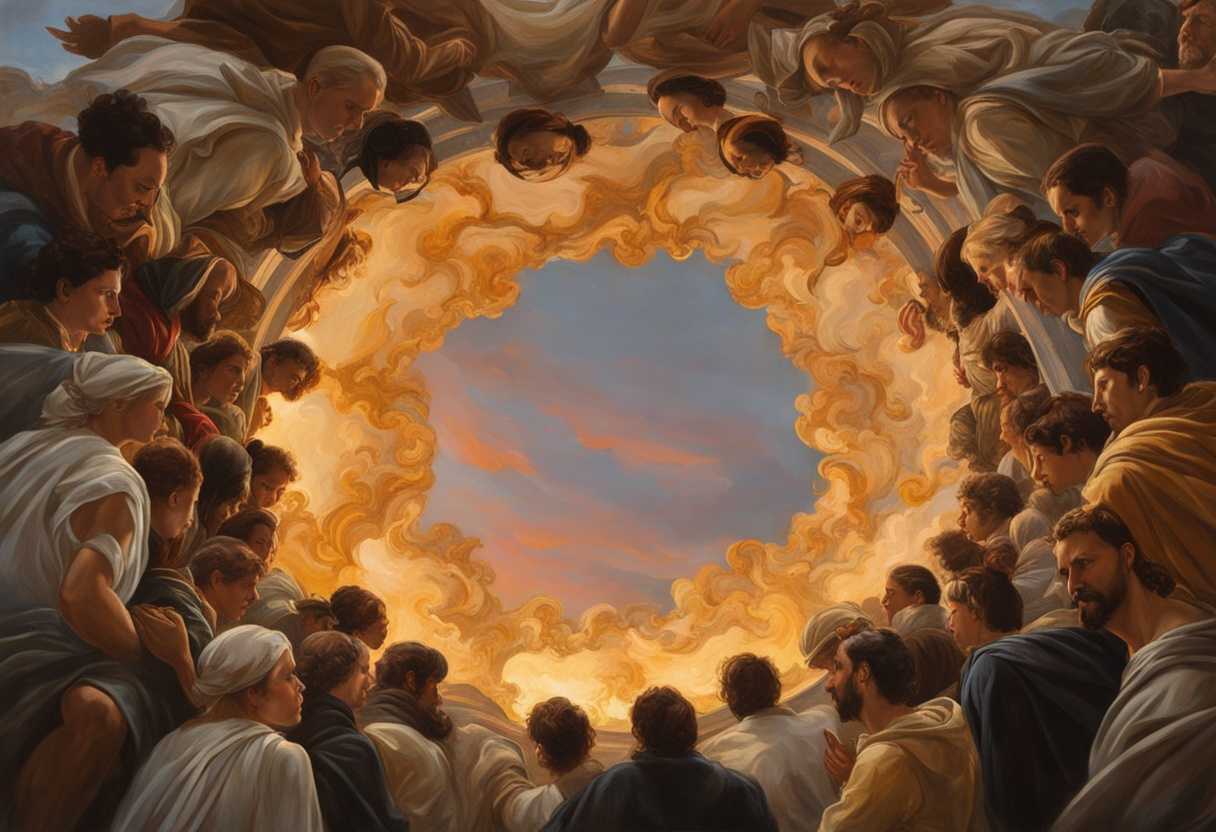
The scene is set on a dusty road leading to the village of Emmaus, with the sun setting in the distance, casting a warm glow over the landscape. The disciples’ hearts are heavy with grief and confusion, yet there is a sense of hope and anticipation in the air as they encounter the risen Christ in their midst. The simple act of breaking bread becomes a profound moment of revelation and communion, as they come to understand the truth of Jesus’ resurrection and the fulfillment of Scripture.
What is Luke 24:33 about?
This verse illustrates the profound significance of the act of breaking bread in the context of Jesus’ resurrection. When Jesus broke bread with His disciples after rising from the dead, they were able to recognize Him. This act symbolizes not only the physical presence of Jesus but also a deeper spiritual understanding and connection with Him. It signifies the continuation of His teachings and mission even after His physical death and resurrection.
Have you ever considered the power of simple acts like breaking bread in fostering spiritual connection and recognition of the divine presence? The breaking of bread in this context serves as a reminder of the importance of community, fellowship, and sharing in Christian faith. It highlights the idea that through communal gatherings and rituals, such as sharing meals, we can experience a deeper sense of unity and communion with Jesus and each other. We can reflect on this verse and ponder the ways in which we can recognize the presence of Jesus in our daily lives, not just in extraordinary moments but also in the ordinary routines and practices. We too may recognize Jesus in the breaking of bread, finding strength, comfort, and guidance in our faith and communal bonds, just as the disciples did.
Understanding what Luke 24:33 really means
In the narrative of Jesus’ resurrection, Luke 24:33 follows the encounter on the road to Emmaus, where Jesus reveals Himself to two disciples. The disciples, upon recognizing Jesus, are filled with joy and urgency to share the news with others. The phrase “They got up and returned at once to Jerusalem” signifies immediate action and urgency, highlighting the disciples’ prompt response to the good news. This sense of urgency prompts reflection on how we approach sharing our faith and positive experiences with others in our lives.
Upon reaching Jerusalem, the disciples find the Eleven and those with them, indicating a community of believers gathered together, likely in a state of confusion and sorrow after Jesus’ crucifixion. This community aspect is crucial, emphasizing the importance of support and fellowship among believers. The related passage in Acts 1:14 further underscores the significance of believers coming together, praying, and supporting one another in times of need.
The parallel with Matthew 28:8, where the women at the tomb also run to tell the disciples about Jesus’ resurrection, reinforces the theme of urgency and joy in sharing the good news. This urgency challenges us to consider how eagerly we share our faith and the hope it brings. In today’s world, where isolation can be prevalent, this verse serves as a reminder of the strength found in community and the support it provides.
Consider a person receiving life-changing news and their immediate impulse to share it with loved ones. The disciples’ swift return to Jerusalem mirrors this overwhelming joy and the significance of sharing profound experiences with their community. This anecdote illustrates the natural inclination to share moments of significance with others and the communal nature of faith.
Reflect on the urgency with which we share good news and contemplate how we can infuse that same enthusiasm into sharing our faith with others. Emphasize the importance of being part of a supportive community, especially during times of confusion or sorrow, mirroring the disciples’ seeking out of the Eleven and fellow believers. Luke 24:33 encapsulates the joy, urgency, and communal aspect of the resurrection story, urging us to actively engage in our faith, share our experiences, and draw strength from our community.
How can we recognize Jesus in our lives today?
We can recognize Jesus in our lives today by being aware of how He opens our minds to understand the Scriptures and the truth of His resurrection. When we experience moments of enlightenment and spiritual growth, it is a sign that Jesus is working in our lives. We may also feel His presence through a deep sense of peace, joy, and fulfillment that surpasses worldly understanding.
Furthermore, Jesus can be recognized in our lives through the encounters we have with others. When we see kindness, compassion, and love being shared selflessly, we witness the teachings of Jesus being lived out. We reflect His presence in the world and spread His message of love and salvation by following His example and embodying His teachings in our own actions. We can cultivate a closer relationship with Christ and continue to grow in faith and discipleship by being attentive to these signs and manifestations in our lives.
Application
Just like the disciples on the road to Emmaus, our encounters with Jesus have the power to transform us. Let’s not just skim through this verse, but let its message ignite a fire within us to reflect on how Jesus has impacted our faith and choices. How will you let this life-changing encounter with the risen Lord shape your actions today?

Reverend Michael Johnson is an experienced Church Minister with a profound expertise in spirituality and guidance. With a serene presence and a compassionate heart, he has faithfully served his congregation for over 20 years, leading them on a spiritual journey towards inner peace and enlightenment. Reverend Johnson’s extensive knowledge of religious philosophies and profound understanding of human nature have made him a trusted confidant and mentor to many, as he seamlessly weaves his profound wisdom into life teachings. Reverend Johnson’s calming demeanor and empathetic nature continue to uplift and heal souls, nurturing a sense of unity and tranquility within his community.