
Luke 3:1-2 is about setting the historical context and timeframe of John the Baptist’s ministry, grounding the events that follow in a specific political and cultural landscape.
1 In the fifteenth year of the reign of Tiberius Caesar, Pontius Pilate being governor of Judea, and Herod being tetrarch of Galilee, and his brother Philip tetrarch of the region of Ituraea and Trachonitis, and Lysanias tetrarch of Abilene,
3 In the high priesthood of Annas and Caiaphas, the word of God came to John the son of Zechariah in the wilderness.
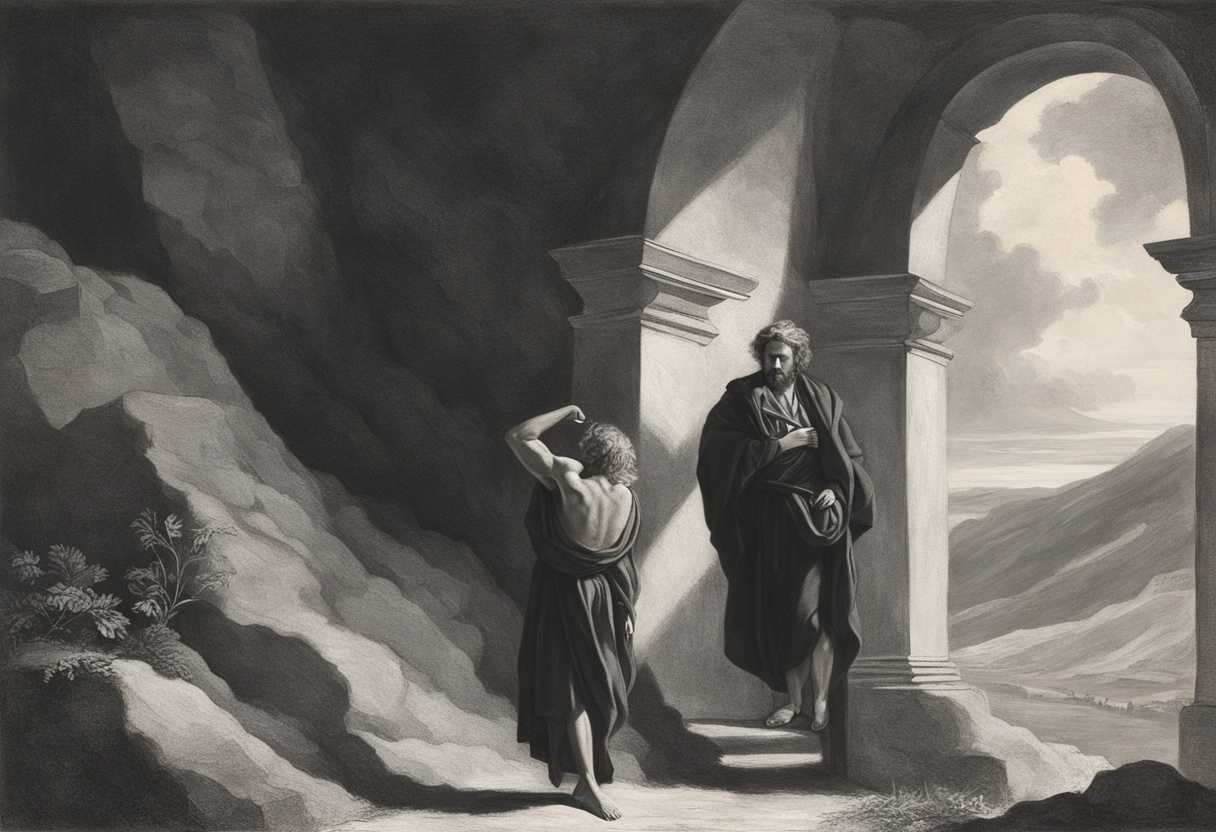
Setting the Scene for Luke 3:1-2
In Luke chapter 3, we find John the Baptist beginning his ministry in the wilderness of Judea. The scene is set in a rugged and barren landscape, with the Jordan River flowing nearby. John, dressed in camel’s hair with a leather belt around his waist, stands out against the backdrop of the wilderness as he preaches a message of repentance and baptism for the forgiveness of sins.
People from all walks of life have gathered to hear John’s message. Among them are tax collectors, soldiers, Pharisees, and ordinary citizens who have come to see this eccentric preacher who is causing a stir with his bold proclamation. The atmosphere is charged with anticipation and curiosity as John calls the people to turn away from their sins and prepare for the coming of the Messiah.
As John baptizes the repentant individuals in the waters of the Jordan River, the onlookers are struck by the sincerity and power of his words. The sound of the rushing water mingles with the voices of those confessing their sins, creating a solemn and reverent atmosphere. In this pivotal moment in history, John the Baptist stands as a prophetic figure, preparing the way for the ministry of Jesus Christ.
What is Luke 3:1-2 about?
Imagine walking through a dense forest with thick brush on each side. Now, picture John the Baptist as your guide, clearing the path ahead of you so you can move forward without obstacles. John the Baptist’s role was to prepare the way for Jesus by calling people to repentance and offering them forgiveness for their sins. He physically cleared a path in the wilderness, and he was also clearing a path in people’s hearts and minds, making them ready to receive Jesus and His teachings.
John the Baptist’s message of repentance and forgiveness is a powerful reminder of the importance of acknowledging our mistakes, seeking forgiveness, and making a conscious effort to change for the better. John was not only paving the path for Jesus’ arrival but also laying the foundation for a spiritual transformation in people’s lives by preparing the way in this way. We too can take this message to heart and reflect on how we can make amends for our own wrongdoings and strive for a more meaningful and fulfilling life, just as John called for repentance and forgiveness.
Understanding what Luke 3:1-2 really means
In Luke 3:1-2, we are transported back in time to a pivotal moment in history, setting the stage for the ministry of John the Baptist. The mention of rulers like Tiberius Caesar, Pontius Pilate, Herod, Philip, and Lysanias, alongside high priests Annas and Caiaphas, grounds the Gospel narrative in a specific historical and political context. This grounding serves to authenticate the events that unfold and connect them to the broader tapestry of human history.
“In the fifteenth year of the reign of Tiberius Caesar,” these words anchor the narrative in a precise historical timeframe, emphasizing the tangible reality of the Gospel story. The phrase “The word of God came to John son of Zechariah in the wilderness” highlights the divine calling and prophetic mission of John the Baptist. It distinguishes him as a figure set apart from the political and religious elite of his time, chosen by God for a special purpose.
These verses resonate with Old Testament prophecies, such as Isaiah 40:3 and Malachi 3:1, which foretold the coming of a messenger to prepare the way for the Lord. John the Baptist fulfills these prophecies, embodying the voice crying out in the wilderness and heralding the arrival of the Messiah. The parallel in Matthew 3:1-3 further illuminates John’s role in paving the way for Jesus, emphasizing the continuity and fulfillment of God’s plan across the Scriptures.
The relevance of these verses extends beyond their historical context, speaking to us today. They remind us that God often works through unexpected individuals in unexpected places. They prompt us to heed God’s call amidst the noise and chaos of our world, just as John did in his time. The intertwining of faith with the political and social realities of the past underscores that our faith is not meant to be isolated from the world but to engage with it meaningfully.
Consider a contemporary parallel where an ordinary individual, much like John the Baptist, feels compelled to stand up for justice or effect change in their community. Despite lacking societal prominence, their calling is clear and divinely inspired. Just as John received his mission in the wilderness, so too can everyday people today receive divine guidance to impact their surroundings positively.
Reflect on your own “wilderness” moments—times of solitude, challenge, or uncertainty—where God might be calling you to a specific purpose. Ponder how you can prepare the way for the Lord in your life and community, mirroring John the Baptist’s mission. Contemplate how your faith intersects with the historical and social context of your life, recognizing the potential for your beliefs to shape and influence the world around you.
What does it mean to prepare the way?
Preparing the way means making a path clear and ready for someone or something to arrive. John the Baptist prepares the way for the ministry of Jesus Christ in the context of the verse from Luke. John’s role was to announce the coming of Jesus and to call people to repentance in preparation for the Messiah. John helped people align their hearts and minds with God by preaching about repentance and forgiveness of sins, making them ready to receive Jesus and His message of salvation.
Preparing the way also involves removing obstacles and hindrances that could prevent people from accepting and following Jesus. John’s message of repentance was a call to turn away from sin and self-centeredness, and to open their hearts to God’s love and grace. John was helping people to see their need for a Savior and to welcome Him into their lives by preparing the way for Jesus. Preparing the way in a broader sense can also involve actively sharing the good news of Jesus with others, creating opportunities for people to encounter His life-changing presence and truth.
Application
Reflect on Luke 3:1-2 and ready your heart for the Lord’s arrival. Like John the Baptist urged repentance, it’s time to assess our lives for alignment with God’s plan. Embrace this message fiercely and reach for a closer bond with God. Will you answer the call, cleanse your spirit, and welcome the Lord with open arms?

Reverend Michael Johnson is an experienced Church Minister with a profound expertise in spirituality and guidance. With a serene presence and a compassionate heart, he has faithfully served his congregation for over 20 years, leading them on a spiritual journey towards inner peace and enlightenment. Reverend Johnson’s extensive knowledge of religious philosophies and profound understanding of human nature have made him a trusted confidant and mentor to many, as he seamlessly weaves his profound wisdom into life teachings. Reverend Johnson’s calming demeanor and empathetic nature continue to uplift and heal souls, nurturing a sense of unity and tranquility within his community.