
Luke 3:12 is about John the Baptist instructing tax collectors to be fair and just in their dealings, demonstrating the importance of integrity and righteousness in all aspects of life.
12 Tax collectors also came to be baptized and said to him, “Teacher, what shall we do?”
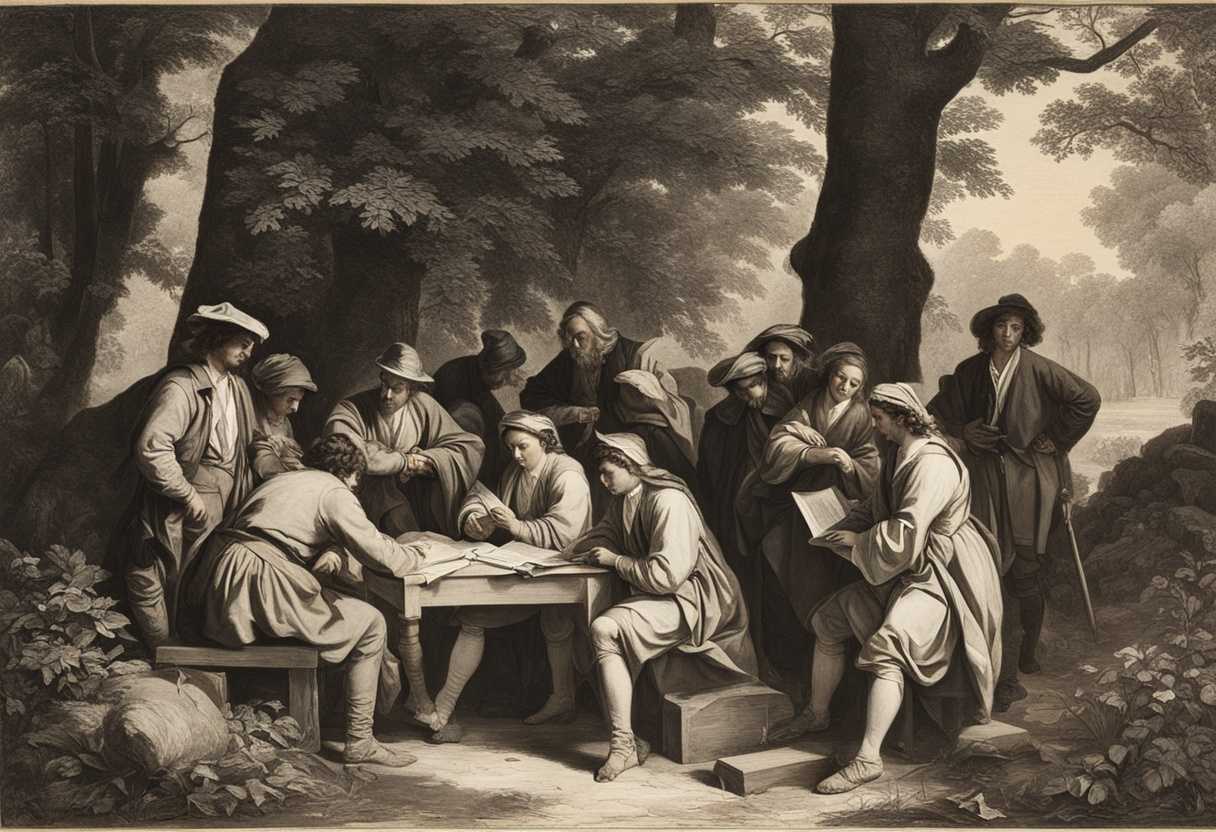
Setting the Scene for Luke 3:12
In Luke chapter 3, we find John the Baptist preaching in the wilderness near the Jordan River. The scene is set with a crowd of people from various walks of life gathered around him. Among them are tax collectors, soldiers, and ordinary people who have come to hear his message of repentance and preparation for the coming of the Messiah.
John the Baptist, dressed in camel’s hair with a leather belt around his waist, stands tall and passionate as he calls out to the people to turn away from their sins and be baptized. The atmosphere is charged with anticipation and conviction as John’s words cut through the hearts of those listening. The sound of the flowing river and the rustling of the wind through the desert brush provide a natural backdrop to his powerful message.
As the crowd listens intently, some are moved to tears, while others are convicted to change their ways. The tax collectors and soldiers present are particularly struck by John’s words, prompting them to ask, “What should we do?” John’s response is filled with wisdom and practical advice, guiding each group on how to live a life that reflects true repentance. The scene is one of transformation and hope, as John prepares the hearts of the people for the coming of Jesus Christ.
What is Luke 3:12 about?
John the Baptist is instructing tax collectors in this verse to act with integrity by being honest and fair in their dealings. Tax collectors during that time were often considered corrupt and took advantage of their positions to extort money from the people. John is reminding them of their responsibilities to act justly and not exploit others for personal gain. John is advocating for honesty and fairness, calling tax collectors to a higher standard of moral conduct, and challenging them to use their authority for the greater good.
Think about the significance of these instructions. How does it reflect a deeper understanding of ethical behavior and social responsibility? John emphasizes the importance of integrity in all aspects of life, including one’s profession, by urging tax collectors to be honest and fair. Consider how we can apply these teachings to our own lives. How can we embody these principles in our interactions with others and in our own work? Let’s reflect on the timeless wisdom of John the Baptist’s message and strive to uphold the values of honesty and fairness in all that we do.
Understanding what Luke 3:12 really means
In the narrative of John the Baptist preaching repentance and baptizing in the Jordan River, a significant moment unfolds when tax collectors, a group often viewed with disdain for their collaboration with Roman authorities and exploitative practices, approach John seeking baptism. This action challenges societal norms and expectations, revealing that even those deemed as sinners and outcasts are drawn to the possibility of redemption and a fresh start. The phrase “Tax collectors also came to be baptized” underscores the universal nature of the call to repentance, emphasizing that no one is beyond the reach of grace and renewal.
As the tax collectors inquire, “Teacher, what should we do?” their question reflects a genuine yearning for guidance on how to lead a righteous life. This inquiry echoes through the ages, resonating with individuals today who seek direction on navigating ethical dilemmas and pursuing a path of integrity. The narrative not only speaks to the specific historical context but also transcends time, inviting introspection on our own quests for moral clarity and transformation.
Drawing parallels with related biblical passages, such as the account of Zacchaeus in Luke 19:1-10, where another tax collector encounters Jesus and undergoes a profound change, reinforces the message of hope and transformation. Additionally, the teaching in Matthew 5:46 about loving those who are challenging to love resonates with the tax collectors’ pursuit of a new way of life, emphasizing the transformative power of compassion and forgiveness. Romans 3:23 further underscores the universal need for repentance, reminding us that all individuals fall short and stand in need of redemption.
The enduring relevance of this verse lies in its portrayal of the timeless human longing for renewal and the possibility of a fresh beginning. It serves as a poignant reminder that no one is beyond the reach of grace and transformation, regardless of their past actions or societal labels. By reflecting on the narrative of the tax collectors seeking baptism, we are prompted to examine our own lives and consider areas where we may need guidance and renewal.
Consider a contemporary scenario where someone with a checkered past decides to embark on a journey of ethical transformation. In seeking counsel from a mentor or spiritual guide, they echo the tax collectors’ plea for direction, illustrating the universal quest for redemption and moral growth. This anecdote underscores the enduring relevance of the biblical narrative and prompts us to contemplate our own paths of repentance and renewal.
As we ponder the implications of Luke 3:12, let us reflect on our own need for guidance and transformation in various aspects of our lives. Whether grappling with moral dilemmas, seeking to mend broken relationships, or striving for personal growth, the narrative of the tax collectors beckons us to embrace the possibility of change and the promise of redemption. Just as they turned to John the Baptist for counsel, may we also seek out mentors and spiritual leaders to accompany us on our journey towards a more righteous and fulfilling existence.
How can we practice generosity in our daily lives?
We can practice generosity in our daily lives by sharing with those in need and giving to help those who are less fortunate. This can involve donating our time, resources, or money to organizations or individuals who could benefit from our support. We can make a positive impact on the lives of others and show compassion and kindness towards our neighbors by being generous in this way.
Another way to practice generosity is by offering a helping hand to those around us, whether it’s a friend in need or a stranger who could use some assistance. This can include acts of kindness such as volunteering at a local charity, helping a neighbor with their groceries, or simply listening to someone who needs a supportive ear. We can spread positivity and love in our communities and make a difference in the lives of those we encounter by showing generosity in our actions towards others.
Additionally, we can practice generosity by being mindful of our words and actions towards others. This can involve showing understanding and forgiveness, offering encouragement and support, and being willing to give others the benefit of the doubt. We can foster positive relationships and contribute to a more compassionate and caring society by approaching interactions with a spirit of generosity and goodwill.
Application
Let’s be like the shining stars at work, illuminating the path of kindness and empathy. Let’s not be weighed down by the baggage of possessions but lift others up with our acts of selflessness. Reflect on our daily choices, let generosity and compassion be our compass. Will you rise to the occasion, spreading light and love to those who need it most?

Reverend Michael Johnson is an experienced Church Minister with a profound expertise in spirituality and guidance. With a serene presence and a compassionate heart, he has faithfully served his congregation for over 20 years, leading them on a spiritual journey towards inner peace and enlightenment. Reverend Johnson’s extensive knowledge of religious philosophies and profound understanding of human nature have made him a trusted confidant and mentor to many, as he seamlessly weaves his profound wisdom into life teachings. Reverend Johnson’s calming demeanor and empathetic nature continue to uplift and heal souls, nurturing a sense of unity and tranquility within his community.