
Malachi 1:11-14 is about God’s disapproval of the Israelites’ half-hearted worship and their offering of blemished sacrifices, emphasizing the importance of honoring God with genuine devotion and reverence.
11 For from the rising of the sun to its setting my name will be great among the nations, and in every place incense will be offered to my name, and a pure offering. For my name will be great among the nations, says the Lord of hosts.
12 “But you profane it when you say that the Lord’s table is polluted, and its fruit, that is, its food may be despised.”
13 But you say, ‘What a weariness this is,’ and you snort at it, says the Lord of hosts. You bring what has been taken by violence or is lame or sick, and this you bring as your offering! Shall I accept that from your hand? says the Lord.
14 “But cursed be the deceiver who has in his flock a male, and vows it, and yet sacrifices to the Lord what is blemished. For I am a great King, says the Lord of hosts, and my name will be feared among the nations.”
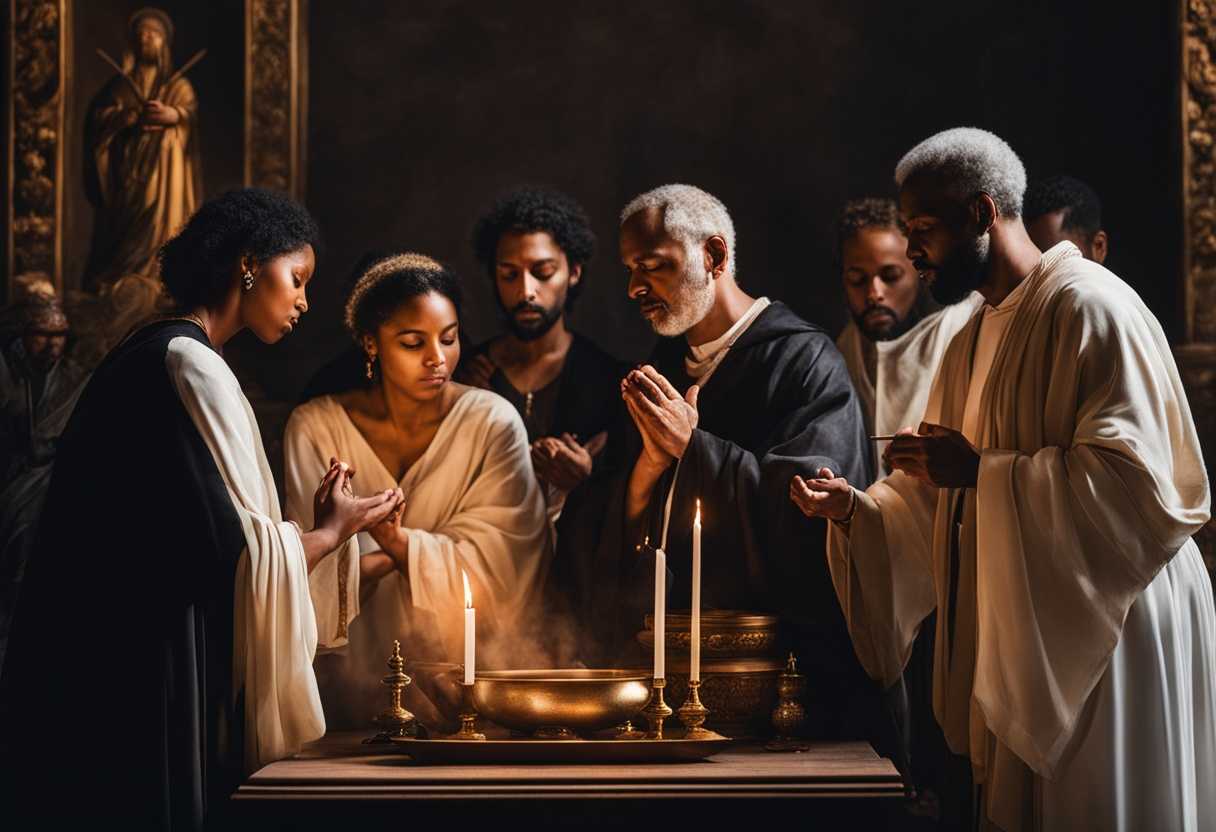
Setting the Scene for Malachi 1:11-14
The scene in Malachi chapter 1 is set in the temple in Jerusalem. The prophet Malachi is addressing the priests of Israel, who have become complacent in their worship and have been offering blemished sacrifices to the Lord. The priests are gathered in the temple, surrounded by the grandeur of the sacred space, with the altar of burnt offerings in the center. The air is heavy with the scent of incense and the sound of prayers being offered up to God.
Malachi, a messenger of the Lord, stands before the priests, his voice echoing off the stone walls as he rebukes them for their lack of reverence and honor towards God. The priests, dressed in their sacred garments, listen intently as Malachi reminds them of the covenant between God and His people, emphasizing the importance of offering pure and unblemished sacrifices. The atmosphere is tense as Malachi challenges the priests to repent and return to wholehearted devotion to the Lord, warning them of the consequences of their disobedience.
As the priests ponder Malachi’s words, the flickering light of the oil lamps casts shadows on the temple walls, creating a solemn and reverent ambiance. The scene is one of spiritual significance and conviction, as the priests are called to examine their hearts and realign their worship with the holiness of God.
What is Malachi 1:11-14 about?
The significance in this verse lies in the idea of authenticity and wholeheartedness in worship. Imagine the deep desire for genuine connection that lies at the core of this verse. It speaks to the essence of our relationship with the divine, asking us to bring forth our truest selves when we come before God. Are we truly present in our worship, or are we merely going through the motions? Are we offering God our full reverence and respect, or are we holding back?
God’s rejection of half-hearted worship serves as a reminder for us to approach our spiritual practices with sincerity and dedication. It challenges us to examine the intentions behind our actions and to ensure that we are giving our utmost respect and honor in our worship. The beauty that comes from offering our true selves in worship is a deep connection and sense of fulfillment that can only come from authentic reverence. Let this verse inspire us to approach our relationship with the divine with true sincerity and reverence, knowing that God sees and values our genuine efforts.
Understanding what Malachi 1:11-14 really means
The Book of Malachi stands as a prophetic voice in the Old Testament, addressing the spiritual and moral decay that had crept into Israel. In Malachi 1:11-14, we see a poignant critique of the insincere worship and offerings presented to God by the priests and people of Israel. The verses highlight God’s desire for His name to be revered among all nations, emphasizing the universality of His glory and the authenticity He seeks in worship.
The phrase “From the rising of the sun to its setting” underscores the expansive reach of God’s name and worship, transcending national boundaries. It signifies that God’s greatness is not limited to a specific group but extends to all peoples. “My name will be great among the nations” reinforces the idea that God’s glory is meant to be acknowledged globally, inviting all to honor and worship Him sincerely.
“In every place incense and pure offerings will be brought to me” symbolizes the purity and authenticity God desires in worship, contrasting with the defiled sacrifices offered by the Israelites. The rebuke against those who offer blemished animals instead of their best reflects God’s disdain for hypocrisy and half-hearted devotion. The passage condemns deceit in worship, emphasizing the importance of integrity and wholehearted commitment to God.
Drawing connections to other biblical passages such as Isaiah 45:22, John 4:23-24, and Romans 12:1, we see a consistent theme of genuine worship, sincerity, and the call to offer ourselves wholly to God. These verses echo Malachi’s message of authentic devotion and the rejection of superficial practices in worship. The relevance of these teachings transcends time, challenging believers today to examine the depth of their worship and the integrity of their relationship with God.
In a world where religious practices can sometimes be marred by insincerity and ritualistic routines, Malachi’s words serve as a poignant reminder to assess the authenticity of our worship. The universal call to worship God challenges us to embrace a global perspective, recognizing His sovereignty over all nations and peoples. It prompts us to reflect on whether our worship is genuine, our offerings wholehearted, and our devotion sincere.
Consider the story of a church member who, initially going through the motions of religious practice, experienced a transformation that led to deep engagement in worship and service. This anecdote illustrates the transformative power of encountering God personally and the shift from ritualistic observance to heartfelt devotion. It exemplifies the impact of genuine worship and the significance of offering our best to God in every aspect of our lives.
In conclusion, Malachi’s message resonates with believers today, urging us to worship God sincerely, with integrity and authenticity. Let us reflect on our worship practices, ensuring that they are marked by genuine devotion and a wholehearted commitment to God. May we heed the call to offer our best to Him, recognizing His universal reign and the transformative power of authentic worship in our lives.
Do we honor God with our best offerings?
God addresses the issue of the people bringing defective offerings to Him in Malachi 1:11-14. God is looking for the best from His people, offerings that reflect their reverence and honor for Him. The people were dishonoring God and not giving Him the respect He deserves by bringing their leftovers or less than perfect offerings.
When we are called to honor God with our best offerings, it means giving Him our wholehearted devotion and dedication. We should bring our best gifts to someone we deeply care for, just as we would. Offering God our best is a reflection of our faith and trust in Him, showing that we are grateful for His blessings and willing to give back to Him with a cheerful heart. We should strive to give God our best in every aspect of our lives, whether it be our time, talents, finances, or resources. We demonstrate our commitment to God and acknowledge His rightful place as Lord of our lives by honoring Him with our best offerings. We should always remember to give God our best, as He so generously gives us His best each and every day.
Application
In our modern world, just like how we strive for excellence in our work and cherish our loved ones, let us also give our best to God. Let’s not just offer leftovers but present our first and finest to Him. Let’s examine our hearts and intentions, making sure our worship is sincere and respectful. Will you rise to the challenge of honoring God with your utmost dedication in everything you do?

Reverend Michael Johnson is an experienced Church Minister with a profound expertise in spirituality and guidance. With a serene presence and a compassionate heart, he has faithfully served his congregation for over 20 years, leading them on a spiritual journey towards inner peace and enlightenment. Reverend Johnson’s extensive knowledge of religious philosophies and profound understanding of human nature have made him a trusted confidant and mentor to many, as he seamlessly weaves his profound wisdom into life teachings. Reverend Johnson’s calming demeanor and empathetic nature continue to uplift and heal souls, nurturing a sense of unity and tranquility within his community.