
Mark 11:13 is about Jesus encountering a fig tree with leaves, symbolizing a deceptive appearance of life and fruitfulness that lacked substance and ultimately was cursed by Jesus as a lesson in true faith and spiritual authenticity.
13 And seeing in the distance a fig tree in leaf, he went to see if he could find anything on it. When he came to it, he found nothing but leaves, for it was not the season for figs.
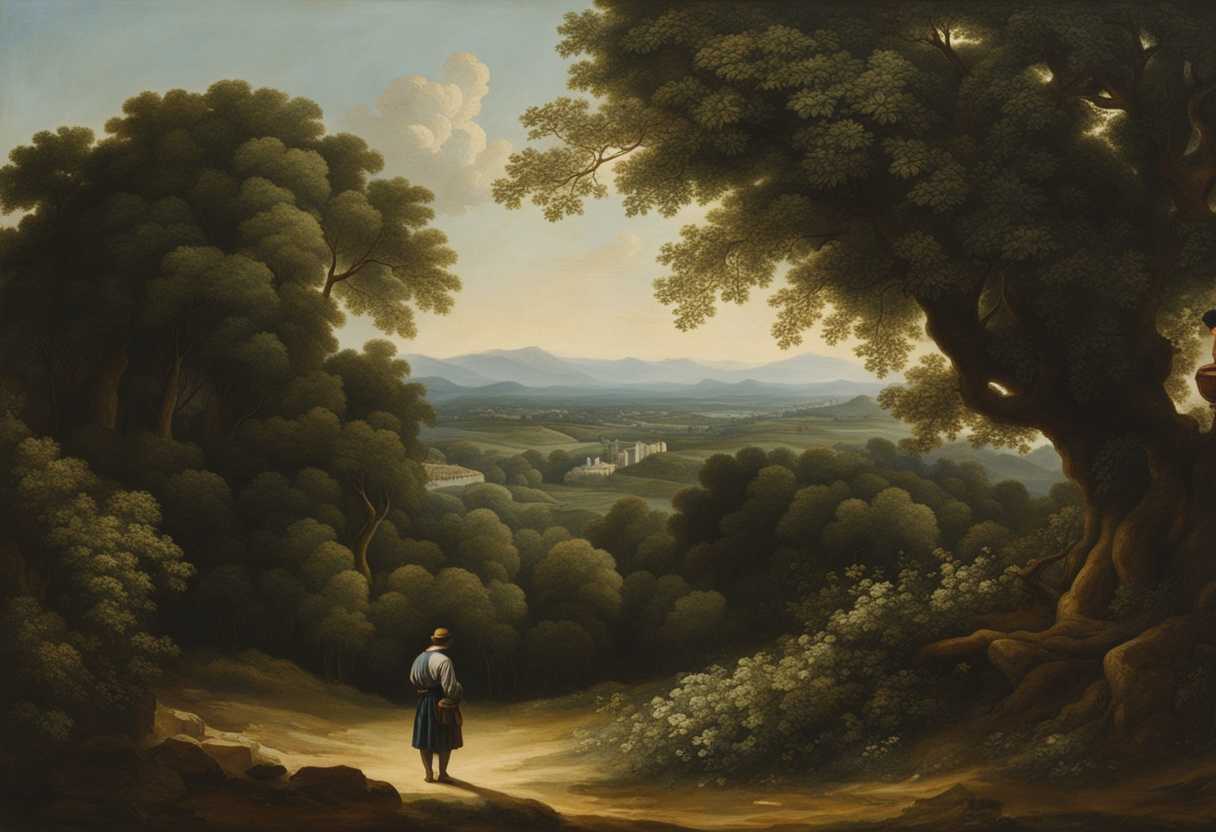
Setting the Scene for Mark 11:13
In Mark chapter 11, we find Jesus and his disciples on their way to Jerusalem. As they approach the city, Jesus spots a fig tree in the distance. Eager to find some fruit to eat, he walks over to the tree, only to discover that it is barren. This moment sets the stage for a powerful lesson that Jesus imparts to his disciples about faith and the power of prayer.
The scene is set on a dusty road leading to Jerusalem, with the sun beating down on the group as they make their way towards the city. Jesus, accompanied by his disciples, is in deep conversation with them as they walk. The disciples are curious about Jesus’ actions and teachings, eager to learn from him and understand the deeper meanings behind his words and actions.
As they reach the fig tree and Jesus finds it without fruit, he uses this moment to teach his disciples about the importance of faith and the power of prayer. The barren fig tree serves as a visual lesson for the disciples, illustrating the consequences of a lack of spiritual fruitfulness. This scene not only provides a practical lesson for the disciples but also sets the stage for the deeper spiritual truths that Jesus will continue to impart throughout their journey.
What is Mark 11:13 about?
Jesus uses the fig tree as a powerful metaphor in this verse of the Bible to teach his disciples a profound lesson about faith and spiritual fruitfulness. The incident of cursing the fig tree is not merely about Jesus showing anger towards a tree, but it serves as a symbolic act to illustrate the importance of genuine faith and bearing fruit in accordance with God’s will. Through this action, Jesus emphasizes the significance of living a life of faith that is rooted in sincerity and obedience to God’s teachings.
Imagine yourself walking with Jesus and witnessing this moment. He considered the deeper meaning behind his actions. Why did Jesus choose the fig tree as a metaphor? How does this parable resonate with our own lives? Reflect on the idea that faith without deeds is dead, and how our actions, just like the fruits of the fig tree, should be evidence of our faith. We can ponder on how to ensure that our lives are bearing fruit in accordance with God’s will, even in seasons when it may seem inconvenient or challenging.
Understanding what Mark 11:13 really means
In Mark 11:13, we find Jesus on his way from Bethany to Jerusalem, encountering a fig tree. The significance of this encounter lies in the cultural context of fig trees in Israel, where they symbolized prosperity and peace. As Jesus sees the fig tree in leaf from a distance, it appears healthy and fruitful, prompting him to investigate for fruit. However, upon closer inspection, he finds only leaves, revealing the tree’s lack of actual fruit despite its promising appearance. This discrepancy between outward appearance and inner reality serves as a metaphor for hypocrisy and unfulfilled potential.
The key phrases in this verse hold profound meanings. Jesus’ action of seeking fruit on the fig tree symbolizes his quest for genuine faith and righteousness. The absence of fruit, coupled with the explanation that it was not the season for figs, underscores the expectation of fruitfulness regardless of external circumstances. This highlights the readiness and authenticity of faith at all times, challenging believers to bear fruit consistently.
Related biblical passages such as Matthew 7:16-20, John 15:1-8, and Jeremiah 8:13 further emphasize the importance of bearing fruit as a sign of true discipleship. These passages echo the theme of recognizing genuine faith by its fruits and express God’s disappointment when His people fail to bear fruit, akin to the fig tree’s symbolism.
The relevance of Mark 11:13 extends to contemporary individuals, urging them to evaluate the authenticity of their faith and actions. In a world where appearances can be deceiving, this verse calls for integrity and sincerity in one’s spiritual life. It prompts introspection on whether our outward appearance aligns with our inner spiritual reality, challenging us to cultivate a genuine relationship with God.
An illustrative anecdote of a beautifully wrapped but empty gift box parallels the fig tree’s situation, reminding us that external appearances should reflect internal truth. Additionally, a personal story of a seemingly successful individual who felt spiritually empty underscores the importance of seeking a deeper, authentic connection with God beyond mere appearances.
In conclusion, Mark 11:13 serves as a poignant reminder to examine our lives for genuine faith and fruitfulness. It encourages us to move beyond surface-level appearances and cultivate a sincere, fruitful relationship with God, embodying the essence of true discipleship and spiritual authenticity.
How can our lives bear spiritual fruit continually?
Our lives can bear spiritual fruit continually by staying connected to the Source of all life and wisdom, which is God. We are called to bear fruit in our lives as well, just as the fig tree in the verse was expected to bear fruit because it had leaves. This requires us to remain in close communion with God through prayer, studying His Word, and obeying His commandments. When we prioritize our relationship with God and seek His guidance in all that we do, we will naturally bear good fruit in our words, actions, and character.
Additionally, we can bear spiritual fruit continually by cultivating a heart of love and service towards others. We, as followers of Christ, are called to love our neighbors as ourselves and to be a light in the world. We reflect the love of God and spread the seeds of faith and hope wherever we go by showing kindness, forgiveness, and compassion to those around us. Our consistent acts of love and service will produce a harvest of spiritual fruit that glorifies God and blesses those around us.
Furthermore, bearing spiritual fruit continually requires us to remain rooted in faith and trust in God’s timing and plan for our lives. We must be patient and persistent in our walk with God, knowing that He is constantly at work in and through us, just as the fig tree in the verse needed time to bear fruit. We can produce an abundance of spiritual fruit that will impact lives and bring glory to His name by trusting in His sovereignty and allowing Him to work in us.
Application
Let’s not be stagnant like the barren fig tree. Let’s spread love, kindness, and compassion in our lives like trees bearing fruits. Take a moment to identify where you can grow and start nurturing those areas. Will you embrace the challenge of flourishing in your life to radiate the love of God?

Reverend Michael Johnson is an experienced Church Minister with a profound expertise in spirituality and guidance. With a serene presence and a compassionate heart, he has faithfully served his congregation for over 20 years, leading them on a spiritual journey towards inner peace and enlightenment. Reverend Johnson’s extensive knowledge of religious philosophies and profound understanding of human nature have made him a trusted confidant and mentor to many, as he seamlessly weaves his profound wisdom into life teachings. Reverend Johnson’s calming demeanor and empathetic nature continue to uplift and heal souls, nurturing a sense of unity and tranquility within his community.