
Mark 15:6 is about the Roman governor Pilate offering to release Jesus, symbolizing the choice between righteousness and worldly desires.
6 Now at the feast he used to release for them one prisoner for whom they asked.
Setting the Scene for Mark 15:6
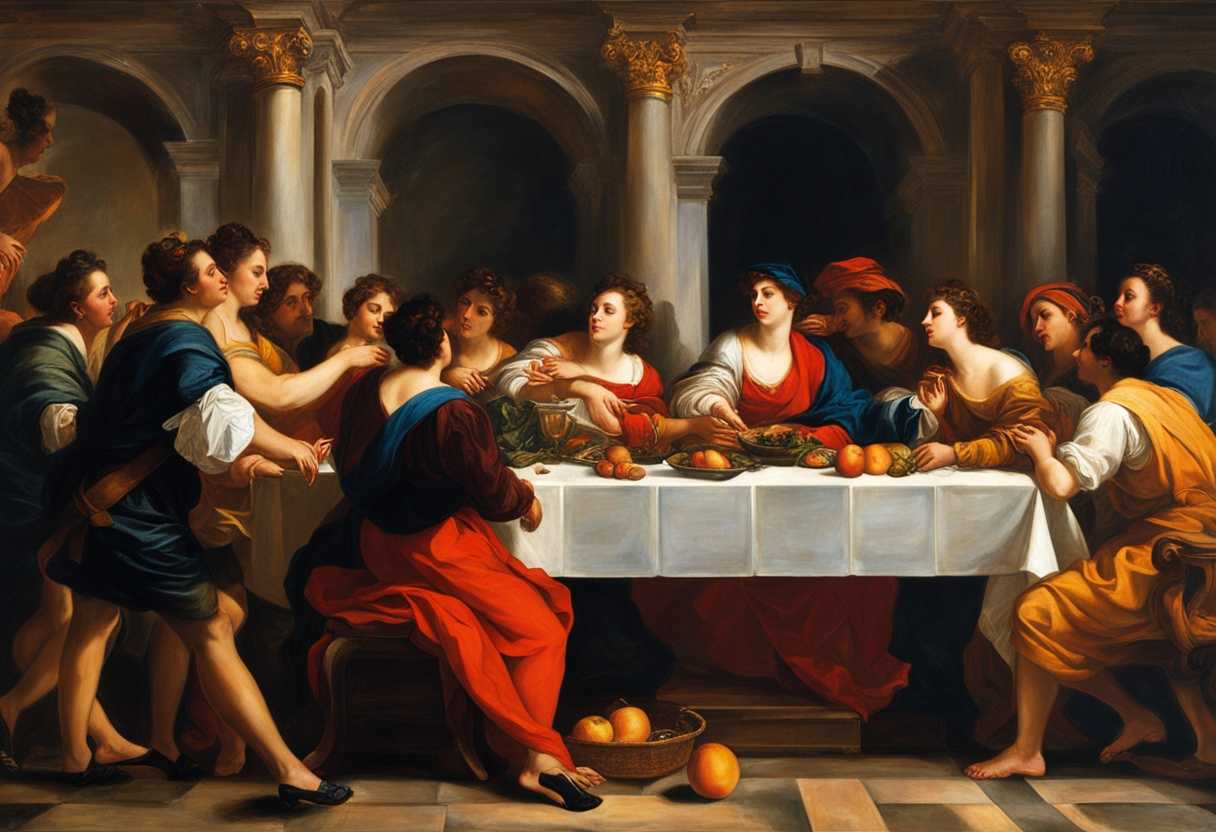
In Mark chapter 15, we find ourselves in the midst of a tumultuous scene in Jerusalem during the time of Passover. The Roman governor, Pontius Pilate, is presiding over the trial of Jesus Christ, who has been brought before him by the chief priests and elders. The atmosphere is charged with tension as the crowd outside Pilate’s palace grows restless, with some calling for Jesus to be crucified.
Pilate, a powerful and conflicted figure, is trying to navigate the political and religious pressures placed upon him. He questions Jesus, trying to determine if he is indeed the King of the Jews as the religious leaders claim. Meanwhile, Jesus stands before him, calm and composed, embodying a sense of divine peace amidst the chaos surrounding him. The scene is a clash of authority, belief, and destiny, with the fate of Jesus hanging in the balance.
As the drama unfolds, the crowd outside the palace becomes increasingly agitated, manipulated by the religious leaders who seek Jesus’ death. Pilate, torn between his own doubts and the demands of the crowd, ultimately succumbs to the pressure and condemns Jesus to be crucified. The scene in Mark 15:6 captures a pivotal moment in the Passion narrative, where the forces of good and evil, justice and injustice, collide in a profound and heartbreaking way.
What is Mark 15:6 about?
This verse from the Gospel of Mark describes a practice during the feast where a Roman governor would release one prisoner chosen by the crowd. This act of mercy allowed the people to have some control over who would be spared from punishment. It reflects the governor’s attempt to maintain peace by giving the people a sense of influence in the decision-making process during the festival. As you delve into the deeper meaning of this verse, reflect on the significance of choice and forgiveness. Consider how themes of mercy and justice resonate with the decision to release one prisoner. Think about the power dynamics at play, with the governor ultimately holding the authority to grant clemency. How does this act of releasing a prisoner shed light on the complex nature of human behavior and societal structures?
Contemplate the symbolic implications of this practice and how it ties into larger themes of redemption and grace. Reflect on how this verse challenges you to consider the roles of forgiveness and compassion in your own life. How does this historical context illuminate the importance of empathy and understanding in our interactions with others? Pondering these questions may help you uncover a deeper appreciation for the nuances of mercy and the complexities of human nature.
Understanding what Mark 15:6 really means
In the Gospel of Mark, specifically in chapter 15, verse 6, we encounter a pivotal moment in the Passion narrative of Jesus Christ. This verse unfolds during the trial of Jesus before Pontius Pilate, the Roman governor, against the backdrop of the Passover festival, a significant Jewish celebration. Pilate, a key figure in this narrative, is faced with a weighty decision regarding the fate of Jesus, brought before him by the Jewish leaders.
“At the festival,” as mentioned in the verse, alludes to the Passover festival, a time when the Jewish people commemorated their liberation from Egypt. The phrase “used to release for them one prisoner” sheds light on a customary act of clemency by the Roman governor during Passover, aiming to appease the Jewish populace. The crowd’s request for a prisoner to be released underscores their influence in determining the outcome of this trial.
Parallel accounts in other Gospels, such as Matthew, Luke, and John, offer additional insights into this event. These passages provide a more comprehensive view of Pilate’s internal struggle, the crowd’s preference for Barabbas over Jesus, and the injustice that unfolded during this trial. The collective narrative emphasizes the tension between political expediency and moral integrity.
The relevance of this verse extends beyond its historical context, prompting contemporary reflections on justice, mercy, and the power of public opinion. It challenges us to consider the implications of sacrificing moral principles for the sake of appeasing popular sentiment. The choice between Barabbas and Jesus symbolizes the sacrificial nature of Jesus’ mission for the redemption of humanity, inviting us to contemplate the profound implications of his ultimate sacrifice.
To illustrate the enduring relevance of this narrative, envision a modern-day scenario where a leader must navigate conflicting demands of justice and public opinion. Just as Pilate faced a dilemma between releasing Barabbas or Jesus, a school principal might confront pressure to overlook wrongdoing due to external influences. The principal’s decision to uphold justice despite opposition mirrors the ethical quandary presented in this biblical passage, highlighting the importance of integrity and moral courage.
In conclusion, Mark 15:6 beckons us to delve into the complexities of ethical decision-making, urging us to seek wisdom and fortitude in upholding truth and righteousness. It serves as a poignant reminder of the enduring struggle between justice and mercy, challenging us to stand firm in our convictions even in the face of prevailing but unjust demands. As we contemplate this verse, may we draw inspiration from Jesus’ unwavering commitment to righteousness and find strength in his example of sacrificial love.
Do you choose Barabbas or Jesus?
The people in this verse were given a choice between Barabbas, a notorious prisoner, and Jesus, who was known for his teachings of love and forgiveness. The decision to choose between Barabbas and Jesus posed a significant moral dilemma for the crowd. Barabbas symbolized violence and rebellion, while Jesus represented peace and compassion. The people’s choice between these two figures reflects a deeper inner conflict within each individual, a choice between worldly values and spiritual truths. The crowd ultimately favored the ways of the world over the teachings of Jesus by choosing Barabbas. This decision highlighted the tendency of humanity to gravitate towards sin and selfish desires rather than embracing humility and selflessness. The choice between Barabbas and Jesus serves as a powerful reminder for us to constantly evaluate our own decisions and make choices that align with the values of love, compassion, and righteousness that Jesus lived and died for.
Application
Believers, let’s dive deep into the story leading to Jesus’ sacrifice, pondering the unjust suffering He faced. Consider this moment a mirror to Christ’s love and our duty to fight against injustice and embrace honesty. Will you take a stand for justice and truth in your dealings with others today?

Reverend Michael Johnson is an experienced Church Minister with a profound expertise in spirituality and guidance. With a serene presence and a compassionate heart, he has faithfully served his congregation for over 20 years, leading them on a spiritual journey towards inner peace and enlightenment. Reverend Johnson’s extensive knowledge of religious philosophies and profound understanding of human nature have made him a trusted confidant and mentor to many, as he seamlessly weaves his profound wisdom into life teachings. Reverend Johnson’s calming demeanor and empathetic nature continue to uplift and heal souls, nurturing a sense of unity and tranquility within his community.